 68 citations
,
June 2005 in “Expert Opinion on Therapeutic Targets”
68 citations
,
June 2005 in “Expert Opinion on Therapeutic Targets” Oestrogens help maintain healthy skin, heal wounds, and may protect against skin aging and cancer.
64 citations
,
August 1977 in “PubMed” Skin changes help detect graft-versus-host reaction early after bone marrow transplants.
 58 citations
,
December 2018 in “Nature Communications”
58 citations
,
December 2018 in “Nature Communications” Male pattern baldness is mostly inherited, involves many genes, and is linked to other traits like early puberty and strong bones.
38 citations
,
October 2013 in “Gynecologic and Obstetric Investigation” Severe iron deficiency lowers fertility in female rats.
38 citations
,
September 1997 in “The journal of investigative dermatology/Journal of investigative dermatology” A mutation in mice causes hair loss and skin issues due to a defect in a gene affecting cell adhesion.
 22 citations
,
March 2012 in “Molecular Medicine Reports”
22 citations
,
March 2012 in “Molecular Medicine Reports” DHT affects hair follicle cells by changing microRNA levels, leading to less cell growth and more cell death.
 17 citations
,
May 1987 in “Clinical and Experimental Dermatology”
17 citations
,
May 1987 in “Clinical and Experimental Dermatology” A patient with Sézary syndrome showed improvement after treatment and the study suggested follicular mucinosis might indicate future lymphoma risk.
15 citations
,
August 2019 in “F1000Research” CMG2 and TEM8 receptors have distinct roles in skin and growth disorders, affecting collagen breakdown and growth.
15 citations
,
July 2014 in “The journal of investigative dermatology/Journal of investigative dermatology” iPSCs can help treat genetic skin disorders by creating healthy skin cells from a small biopsy.
15 citations
,
May 1999 in “Journal of Investigative Dermatology” Alopecia areata is complex, with genetic and immune factors, and animal models are key for future treatment research.
 14 citations
,
May 2020 in “Biomolecules & Therapeutics”
14 citations
,
May 2020 in “Biomolecules & Therapeutics” Vanillic acid from wheat bran may promote hair growth by activating certain cell pathways and reversing hormone-related hair loss.
14 citations
,
January 2014 in “Annals of Dermatology” Some cases of folliculotropic mycosis fungoides may progress slowly and not need aggressive treatment.
 14 citations
,
January 1985 in “International Journal of Dermatology”
14 citations
,
January 1985 in “International Journal of Dermatology” The cause of alopecia areata was unknown, and while various treatments existed, no best treatment was agreed upon.
13 citations
,
August 2018 in “Life sciences” Kang-ai injection with platinum-based chemotherapy improves tumor response and immune function while reducing side effects in advanced lung cancer.
12 citations
,
December 2016 in “The FASEB Journal” Lack of vitamin D receptor causes hair loss in mice by allowing certain genes to overactivate.
 12 citations
,
July 2014 in “International Journal of STD & AIDS”
12 citations
,
July 2014 in “International Journal of STD & AIDS” HIV patients with lower CD4 T cell counts often have more skin problems.
 12 citations
,
November 1996 in “Australasian journal of dermatology”
12 citations
,
November 1996 in “Australasian journal of dermatology” A kidney transplant patient on cyclosporin experienced unexpected severe hair loss, which improved with treatment adjustments.
11 citations
,
March 2001 in “Clinics in dermatology” The new microneedle method delivers hair loss treatment more effectively by enhancing growth pathways.
 9 citations
,
February 2022 in “Nature communications”
9 citations
,
February 2022 in “Nature communications” Rare changes in the KRT82 gene are linked to a higher risk of Alopecia Areata.
9 citations
,
November 2013 in “BMC Pharmacology and Toxicology” Suppressing eIF4E can prevent hair loss from chemotherapy.
8 citations
,
February 2021 in “Biomolecules & therapeutics” Myristoleic acid helps hair growth by boosting cell growth and recycling processes in hair follicle cells.
 8 citations
,
May 2019 in “Journal of Stem Cells & Regenerative Medicine”
8 citations
,
May 2019 in “Journal of Stem Cells & Regenerative Medicine” Dental pulp stem cells are better for tissue repair, while fat tissue stem cells may be more suited for wound healing and hair growth.
 7 citations
,
January 2015 in “Current problems in dermatology”
7 citations
,
January 2015 in “Current problems in dermatology” Hair loss can be caused by stress, infections, drugs, and various diseases, with treatment depending on accurate diagnosis.
7 citations
,
January 1991 in “Comparative biochemistry and physiology. A. Comparative physiology” A diet high in vitamin E improved blood health, skin, and fur in common marmosets.
6 citations
,
July 2015 in “JAAD Case Reports” Doxycycline can effectively treat hair loss caused by EGFR inhibitors.
 4 citations
,
February 2022 in “Journal of Cosmetic Dermatology”
4 citations
,
February 2022 in “Journal of Cosmetic Dermatology” Monocytes might be linked to hair loss after COVID-19.
4 citations
,
June 2015 in “Connective tissue research” The research found changes in gene expression related to cell death in mouse skin that help understand hair follicle development and skin health.
 3 citations
,
January 2023 in “Skin appendage disorders”
3 citations
,
January 2023 in “Skin appendage disorders” Some people with a history of autoimmune hair loss experienced worsening symptoms after COVID-19 vaccination.
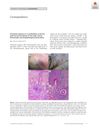 2 citations
,
June 2018 in “Clinical and Experimental Dermatology”
2 citations
,
June 2018 in “Clinical and Experimental Dermatology” Permanent hair loss after a stem cell transplant can be a sign of chronic immune system attack on the scalp.
1 citations
,
September 2024 in “Benha Journal of Applied Sciences” Androgenetic alopecia causes hair loss, and early, ongoing treatment is key for best results.