Hair disorders are complex and varied, including hair loss, excessive growth, color, and shaft issues.
90 citations
,
December 2008 in “Journal of Investigative Dermatology” Thyroid-stimulating hormone affects hair follicles but doesn't change hair growth or color.
 24 citations
,
March 2018 in “Pigment Cell & Melanoma Research”
24 citations
,
March 2018 in “Pigment Cell & Melanoma Research” The environment around melanocyte stem cells is key for hair regeneration and color, with certain injuries affecting hair color and potential treatments for pigmentation disorders.
11 citations
,
May 2012 in “Genesis” Bmpr2 and Acvr2a receptors are crucial for hair retention and color.
 10 citations
,
January 2010 in “Acta Histochemica Et Cytochemica”
10 citations
,
January 2010 in “Acta Histochemica Et Cytochemica” c-kit affects hair growth and color in alopecia areata and androgenetic alopecia.
COVID-19 might cause gray hair to regain color.
November 2013 in “Institutional Repositories DataBase (IRDB)” Gamma-ray exposure during hair rest phase harms hair growth and color in mice.
62 citations
,
December 1941 in “Experimental biology and medicine” Eating phenylthiocarbamide made all the rats' hair go gray, but some returned to their original color after stopping.
 92 citations
,
January 1998 in “Dermatology”
92 citations
,
January 1998 in “Dermatology” Ketoconazole shampoo improves hair growth and reduces oil similarly to minoxidil in male pattern hair loss.
![Integrating Multi-Omics Analyses of Nonomuraea Dietziae to Reveal the Role of Soybean Oil in [(4′-OH)MeLeu]4-CsA Overproduction](/images/assets/0eba9759-3aa4-4a06-a70a-2d9c46be53f3/small/23018.jpg) 1 citations
,
July 2017 in “Microbial Cell Factories”
1 citations
,
July 2017 in “Microbial Cell Factories” Adding soybean oil to Nonomuraea dietziae increases production of a beneficial compound by improving metabolism and enzyme systems.
October 2023 in “Biomimetics” The new hair-dyeing shampoo is safe, colors hair evenly, and strengthens it.
6 citations
,
January 2019 in “Indian Journal of Pharmacology” Melitane 5% and hair supplements improved hair color in a 14-year-old with early graying.
 14 citations
,
April 2000 in “Animal Science/Animal science”
14 citations
,
April 2000 in “Animal Science/Animal science” Nutrients like vitamins, copper, zinc, and amino acids are crucial for healthy hair and wool growth.
3 citations
,
June 2025 in “Stem Cell Research & Therapy” Hair follicle-derived melanocyte transplant could effectively treat vitiligo by restoring skin color.
70 citations
,
December 2004 in “Proceedings of the National Academy of Sciences” BMP signaling affects hair color by interacting with the MC-1R pathway.
2 citations
,
November 2024 in “JAAD reviews.” Certain drugs can change hair color, either lightening or darkening it.
 21 citations
,
January 2019 in “Experimental dermatology”
21 citations
,
January 2019 in “Experimental dermatology” Light therapy using helium-neon lasers can help restore skin color in vitiligo by promoting skin cell growth and movement.
 January 2014 in “Journal of Pigmentary Disorders”
 Women's hair gets thinner and grayer as they age, with treatments available for hair loss and graying.
20 citations
,
August 2007 in “Molecular therapy” Applying a DNA vaccine to skin with active hair growth boosts immune response and protection against anthrax in mice.
 October 2023 in “bioRxiv (Cold Spring Harbor Laboratory)”
 A protein called EGFR protects hair follicle stem cells, and when it's disrupted, hair follicles can be damaged, but blocking certain pathways can restore hair growth.

A natural hair dye from cuttlefish ink and chitosan effectively colors hair black without harmful chemicals.
 157 citations
,
December 2015 in “Journal of the American Academy of Dermatology”
157 citations
,
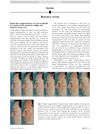
December 2015 in “Journal of the American Academy of Dermatology” A man with vitiligo and alopecia saw quick skin and hair improvement with ruxolitinib, but skin color gains were lost after stopping treatment.
1 citations
,
June 2025 in “Journal of Cellular and Molecular Medicine” Plant-derived compounds may help reverse grey hair by boosting melanin production.
 April 2026 in “Tissue Engineering and Regenerative Medicine”
 The GPRC6A-Duox1 axis helps control hair growth and loss by affecting hydrogen peroxide production.
 99 citations
,
June 2005 in “Journal of Cosmetic Dermatology”
99 citations
,
June 2005 in “Journal of Cosmetic Dermatology” Hair ages due to genetics and environmental factors, leading to graying and thinning, with treatments available for some conditions.
 33 citations
,
August 2018 in “Facial Plastic Surgery Clinics of North America”
33 citations
,
August 2018 in “Facial Plastic Surgery Clinics of North America” The document explains hair biology, the causes of hair loss, and reviews various hair loss treatments.
 December 2025 in “Applied and Computational Engineering”
 Hair dyes can be harmful, but risks vary by person and can be reduced.

Tailored nonsurgical cosmetic procedures are crucial for safely treating diverse skin types, especially skin of color.
129 citations
,
October 2017 in “BMC Genomics” The study improved understanding of gene roles in cashmere goat hair growth, aiding future cashmere production.
 11 citations
,
June 1996 in “Nutrition”
11 citations
,
June 1996 in “Nutrition” Vitamin D3 may prevent hair loss from chemotherapy, but side effects and cancer cell protection are concerns.