21 citations
,
December 2023 in “Journal of Investigative Dermatology” Hair graying is caused by damage and cell depletion but might be temporarily reversible with drugs and hormones.
14 citations
,
July 2022 in “Nutrients” Vitamin A is important for healthy skin and hair, influencing hair growth and skin healing, but UV light reduces its levels.
2 citations
,
July 2022 in “Indian Journal of Dermatology Venereology and Leprology” Early hair greying may increase the risk of heart disease.
 2 citations
,
September 2021 in “Human Psychopharmacology: Clinical and Experimental”
2 citations
,
September 2021 in “Human Psychopharmacology: Clinical and Experimental” Valproate can cause hair problems, but there are ways to manage them.
4 citations
,
July 2021 in “Skin Appendage Disorders” Sudden hair whitening may be linked to immune system activity.
7 citations
,
July 2020 in “Dermatologic therapy” Premature graying of hair is linked to various health issues and can sometimes be reversed by treating underlying conditions.
2 citations
,
March 2020 in “Developmental cell” Stress can cause hair to turn gray by depleting pigment-producing cells through the release of a stress hormone.
 28 citations
,
December 2019 in “Skin appendage disorders”
28 citations
,
December 2019 in “Skin appendage disorders” Some medications might reverse gray hair, especially those that reduce inflammation or stimulate pigment production, and vitamin B might help.
 134 citations
,
December 2018 in “Dermatology and Therapy”
134 citations
,
December 2018 in “Dermatology and Therapy” Some vitamins and minerals like vitamin D and iron can help with certain types of hair loss, but more research is needed for others.
 12 citations
,
May 2018 in “JAAD Case Reports”
12 citations
,
May 2018 in “JAAD Case Reports” A man's gray hair got darker and thicker after using a psoriasis drug.
 53 citations
,
April 2018 in “Journal of The American Academy of Dermatology”
53 citations
,
April 2018 in “Journal of The American Academy of Dermatology” Cancer treatments often cause hair disorders, significantly affecting patients' quality of life, and better management methods are needed.
 102 citations
,
December 2017 in “The journal of investigative dermatology. Symposium proceedings/The Journal of investigative dermatology symposium proceedings”
102 citations
,
December 2017 in “The journal of investigative dermatology. Symposium proceedings/The Journal of investigative dermatology symposium proceedings” Restoring hair bulb immune privilege is crucial for managing alopecia areata.
15 citations
,
November 2017 in “JAAD Case Reports” Brentuximab may cause hair to regain color.
36 citations
,
November 2016 in “European journal of dermatology/EJD. European journal of dermatology” Some medications can cause rare hair color changes, and reporting these side effects is important for patient quality of life.
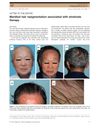 9 citations
,
July 2016 in “The Journal of Dermatology”
9 citations
,
July 2016 in “The Journal of Dermatology” An 82-year-old man's white hair regained color after taking etretinate for psoriasis.
17 citations
,
January 2015 in “Dermatology online journal” A patient's grey hair regained color during treatment with adalimumab.
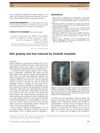 7 citations
,
December 2013 in “The Journal of Dermatology”
7 citations
,
December 2013 in “The Journal of Dermatology” A woman's hair turned gray and fell out after starting a cancer drug called imatinib mesylate.
17 citations
,
November 2013 in “Clinical and experimental dermatology” Acitretin therapy may cause hair to repigment and curl.
 98 citations
,
October 2012 in “Dermatologic Clinics”
98 citations
,
October 2012 in “Dermatologic Clinics” Eating the right nutrients can improve hair health, but taking extra supplements usually doesn't help unless you have a deficiency.
 25 citations
,
March 2012 in “Journal of oncology pharmacy practice”
25 citations
,
March 2012 in “Journal of oncology pharmacy practice” An 81-year-old man's white hair began to regain its original color while he was treated with lenalidomide, suggesting that graying hair might be reversible.
 81 citations
,
August 2011 in “Journal of The American Academy of Dermatology”
81 citations
,
August 2011 in “Journal of The American Academy of Dermatology” Latanoprost 0.1% may effectively treat hair loss.
 9 citations
,
December 2010 in “Journal of The European Academy of Dermatology and Venereology”
9 citations
,
December 2010 in “Journal of The European Academy of Dermatology and Venereology” Latanoprost therapy potentially caused a woman's white hair to darken again.
39 citations
,
March 2009 in “Dermatology Online Journal” Erlotinib can cause persistent excessive hair growth.
 53 citations
,
January 2009 in “Journal of Investigative Dermatology”
53 citations
,
January 2009 in “Journal of Investigative Dermatology” UVB radiation harms hair growth and health, causing cell death and other changes in human hair follicles.
17 citations
,
January 2008 in “Journal of the American Academy of Dermatology” Valproic acid can cause hair loss, but information on hair color change is not detailed.
23 citations
,
November 2007 in “Actas Dermo-Sifiliográficas” Thyroid hormone (T3) may reverse gray hair by stimulating hair growth.
 85 citations
,
April 2007 in “Dermatologic Clinics”
85 citations
,
April 2007 in “Dermatologic Clinics” Some drugs can cause hair loss, change hair color and shape, or increase hair growth, and treatment may involve stopping the drug or using specific hair growth treatments.
450 citations
,
January 2005 in “The journal of investigative dermatology/Journal of investigative dermatology” Hair color is determined by melanin produced and transferred in hair follicles.
15 citations
,
July 2004 in “AIDS” Indinavir therapy can cause reversible skin, hair, and nail darkening.
 56 citations
,
January 2004 in “Dermatology”
56 citations
,
January 2004 in “Dermatology” Most patients treated with low-dose alpha-interferon for malignant melanoma experienced skin side effects, with hair loss being the most frequent.
59 citations
,
March 2003 in “The Lancet” Imatinib can repigment grey hair, while SU11428 can cause temporary hair depigmentation.
31 citations
,
October 1992 in “Journal of Clinical Pharmacy and Therapeutics” Some medications can change hair color, especially chloroquine and cancer treatments.
6 citations
,
December 1989 in “Journal of the American Academy of Dermatology” Minoxidil lotion can cause hair discoloration.
15 citations
,
January 1989 in “European Journal of Cancer and Clinical Oncology” 13 citations
,
March 1983 in “International Journal of Dermatology” Minoxidil caused red hair to grow on a man's temples.
13 citations
,
June 1981 in “Developmental Medicine & Child Neurology”