 4 citations
,
July 2019 in “Clinics in Dermatology”
4 citations
,
July 2019 in “Clinics in Dermatology” The document concludes that while white skin, nail, and mucosa diseases increase skin cancer risk, they are generally harmless, especially compared to darker pigmentation conditions.
1 citations
,
April 2025 in “Pigment Cell & Melanoma Research” Managing stress and nerve activity can help treat segmental vitiligo and white hair.
 21 citations
,
January 2019 in “Experimental dermatology”
21 citations
,
January 2019 in “Experimental dermatology” Light therapy using helium-neon lasers can help restore skin color in vitiligo by promoting skin cell growth and movement.
 1 citations
,
April 2021 in “The journal of investigative dermatology/Journal of investigative dermatology”
1 citations
,
April 2021 in “The journal of investigative dermatology/Journal of investigative dermatology” mTORC1 activity is important for hair growth and color, and targeting it could help treat hair loss and greying.
 28 citations
,
December 2006 in “Clinical lung cancer”
28 citations
,
December 2006 in “Clinical lung cancer” Early recognition and management of skin side effects from new cancer therapies can prevent treatment delays.
 21 citations
,
February 2017 in “Dermatologic surgery”
21 citations
,
February 2017 in “Dermatologic surgery” Different techniques for vitiligo treatment work similarly well, with some better for specific body areas.
 6 citations
,
November 2011 in “Journal of Dermatological Science”
6 citations
,
November 2011 in “Journal of Dermatological Science” A new gene mutation may allow some piebaldism patients to regain skin color in white patches.
 10 citations
,
November 2010 in “Pigment Cell & Melanoma Research”
10 citations
,
November 2010 in “Pigment Cell & Melanoma Research” Only skin melanocytes, not other types, can color hair in mice.
 July 2018 in “Elsevier eBooks”
 Some drugs can cause reversible hair loss, but certain chemotherapy drugs may lead to permanent hair loss; drugs can also change hair color and texture.
 1 citations
,
January 2023 in “Research Square (Research Square)”
1 citations
,
January 2023 in “Research Square (Research Square)” A woman's vitiligo improved with tofacitinib treatment, and her skin color remained even after stopping the medication, but there are concerns about cancer risk.
 40 citations
,
August 2006 in “Current Drug Safety”
40 citations
,
August 2006 in “Current Drug Safety” Some drugs can cause hair loss, excessive growth, or color changes, often reversible but sometimes permanent.
450 citations
,
January 2005 in “The journal of investigative dermatology/Journal of investigative dermatology” Hair color is determined by melanin produced and transferred in hair follicles.
10 citations
,
February 2012 in “Journal of Clinical Investigation” Advancements in skin and hair biology improve dermatology care and cosmetic treatments.
 5 citations
,
January 2021 in “Dermatology Online Journal”
5 citations
,
January 2021 in “Dermatology Online Journal” An 84-year-old man developed a rare scalp condition from a cancer drug but continued treatment as it was otherwise well tolerated.
May 2025 in “International Journal of Trichology” Baricitinib may effectively treat sudden hair whitening and regrowth in some cases.
 July 2026 in “Current Issues in Molecular Biology”
 Plerixafor may help restore skin pigmentation safely.
2 citations
,
May 2025 in “IntechOpen eBooks” Early treatment with corticosteroids and immunosuppressants is crucial for managing Vogt-Koyanagi-Harada disease.
 June 2024 in “Stem cell research & therapy”
 Regenerative medicine shows promise for treating skin disorders like hair loss and vitiligo.
June 2023 in “Clinical Cosmetic and Investigational Dermatology” The new technique effectively treats hairline vitiligo with repigmentation and hair regrowth.
 81 citations
,
October 2014 in “The journal of investigative dermatology/Journal of investigative dermatology”
81 citations
,
October 2014 in “The journal of investigative dermatology/Journal of investigative dermatology” Certain genes control the color of human hair by affecting pigment production.

Melanocyte transplantation can safely restore skin color, especially in stable vitiligo, but must be chosen carefully based on the disease phase.
 3 citations
,
November 2023 in “Frontiers in cell and developmental biology”
3 citations
,
November 2023 in “Frontiers in cell and developmental biology” Melanocytes are important for skin and hair color and protect the skin from UV damage.
 24 citations
,
March 2018 in “Pigment Cell & Melanoma Research”
24 citations
,
March 2018 in “Pigment Cell & Melanoma Research” The environment around melanocyte stem cells is key for hair regeneration and color, with certain injuries affecting hair color and potential treatments for pigmentation disorders.
 January 2024 in “Dermatologic therapy”
 Fire Needle Therapy may help bring back skin color in vitiligo by affecting cell growth signals.
 1 citations
,
January 2014 in “Elsevier eBooks”
1 citations
,
January 2014 in “Elsevier eBooks” Melanocytes produce melanin; their defects cause vitiligo and hair graying, with treatments available for vitiligo.
 14 citations
,
January 2006 in “Skinmed”
14 citations
,
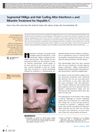
January 2006 in “Skinmed” A woman developed white patches on her skin and curly hair after hepatitis C treatment, likely due to the medication interferon alpha.
 7 citations
,
February 2019 in “International Journal of Dermatology”
7 citations
,
February 2019 in “International Journal of Dermatology” Gray hair is caused by reduced melanin production or transfer issues, linked to aging and possibly health conditions, with treatments focusing on color camouflage.
 7 citations
,
August 2013 in “Experimental and Therapeutic Medicine”
7 citations
,
August 2013 in “Experimental and Therapeutic Medicine” 1,25-dihydroxyvitamin D3 helps melanocyte precursors from hair follicles grow and produce melanin, aiding vitiligo treatment understanding.
 93 citations
,
October 2006 in “The International Journal of Biochemistry & Cell Biology”
93 citations
,
October 2006 in “The International Journal of Biochemistry & Cell Biology” Melanocytes are crucial for skin pigmentation and can affect conditions like melanoma, vitiligo, and albinism, as well as hair color and hearing.
 114 citations
,
January 2007 in “Drug Safety”
114 citations
,
January 2007 in “Drug Safety” Some drugs can cause skin, nail, and hair problems, which are important for healthcare professionals to recognize and report.