 March 2021 in “Research Society and Development”
 A blue Staffordshire Bull Terrier had hair loss due to color dilution alopecia, confirmed by tests, but no treatment was pursued.
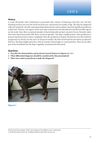 May 2019 in “Small Animal Dermatology”
 The dog has Color Dilution Alopecia, causing hair loss and increased risk of skin infections.
December 2010 in “Journal of Oriental Medicine” Black bean, wheat, and rice bran extracts can improve hair growth and quality.
 January 1957 in “Nihon Chikusan Gakkaiho”
 Rabbit hair color is influenced by the shape and distribution of pigment granules.
 May 2026 in “Zenodo (CERN European Organization for Nuclear Research)”
 The herbal mehendi gel safely colors hair naturally while nourishing and protecting the scalp.
 May 2026 in “Zenodo (CERN European Organization for Nuclear Research)”
 The herbal mehendi gel safely colors hair and nourishes the scalp.
31 citations
,
November 2015 in “PloS one” Reducing Tyrosinase prevents mature color pigment cells from forming in mouse hair.
 9 citations
,
July 2022 in “Cell reports”
9 citations
,
July 2022 in “Cell reports” Sox2 controls hair color by affecting pigment production in hair follicles.
 56 citations
,
November 2010 in “Pigment Cell & Melanoma Research”
56 citations
,
November 2010 in “Pigment Cell & Melanoma Research” Brain hormones significantly affect hair color and could potentially be used to prevent or reverse grey hair.
 21 citations
,
October 2014 in “Actas dermo-sifiliográficas/Actas dermo-sifiliográficas”
21 citations
,
October 2014 in “Actas dermo-sifiliográficas/Actas dermo-sifiliográficas” Hair dyes can change hair color temporarily or permanently but may cause side effects like skin reactions and hair damage.
8 citations
,
August 2018 in “BMJ Case Reports” Pazopanib treatment caused rapid hair color loss, possibly indicating its effectiveness.
 6 citations
,
August 2019 in “PLOS ONE”
6 citations
,
August 2019 in “PLOS ONE” Gambogic Amide helps maintain hair color and promotes hair growth.
 6 citations
,
January 2007 in “Actas dermo-sifiliográficas/Actas dermo-sifiliográficas”
6 citations
,
January 2007 in “Actas dermo-sifiliográficas/Actas dermo-sifiliográficas” Gray hair regained color after thyroid hormone treatment.
4 citations
,
June 1980 in “American Journal of Clinical Nutrition” Malnutrition can change hair color due to altered copper and zinc levels.
 April 2024 in “Authorea (Authorea)”
 Stopping heptaminol medication reversed hair color loss in a patient on dialysis.
 January 2024 in “International Journal of Herbal Medicine”
 Melanin is important for hair color, health, and UV protection.
June 2025 in “Albus Scientia” MC1R gene variations affect skin, hair color, UV sensitivity, and melanoma risk.
June 2016 in “한국디자인문화학회지” UVA damages all hair types, especially permanently waved and colored hair.
 August 1946 in “Journal of the American Medical Association”
 Companies agreed to stop making false health claims about their products.
 March 2025 in “Animal Bioscience”
 Goats' hair and color traits are linked to specific RNA expressions, useful for breeding and textiles.
 1 citations
,
January 2006 in “Elsevier eBooks”
1 citations
,
January 2006 in “Elsevier eBooks” The conclusion is that different types of hair loss in dogs and cats can be cosmetic or serious, and affected animals should not be bred.
 September 1997 in “Dermatologic Surgery”
 The article concludes that uniform density hair restoration is generally preferred for its natural look, but the best approach depends on the individual's characteristics and preferences.
4 citations
,
January 1996 in “British journal of dermatology/British journal of dermatology, Supplement” Mexican hairless dogs can help test new skin treatments.
Hair fibers degrade and change color in very basic water.
2 citations
,
March 2017 in “Sultan Qaboos University medical journal” An infant had two different natural hair colors on the scalp with no health issues.
 58 citations
,
February 2016 in “Scientific reports”
58 citations
,
February 2016 in “Scientific reports” Blocking BACE1 and BACE2 enzymes causes hair color loss in mice.
 60 citations
,
January 2004 in “The journal of investigative dermatology/Journal of investigative dermatology”
60 citations
,
January 2004 in “The journal of investigative dermatology/Journal of investigative dermatology” Applying a specific inhibitor lightens skin and hair color.
 30 citations
,
June 2006 in “British journal of dermatology/British journal of dermatology, Supplement”
30 citations
,
June 2006 in “British journal of dermatology/British journal of dermatology, Supplement” Oral zinc sulphate reduces dark hair color in mice.
22 citations
,
January 1985 in “Journal of Human Evolution/Journal of human evolution” Human skin and hair color variation is mainly due to melanin produced by a few genes, with melanin protecting against sun damage.
17 citations
,
January 2015 in “Dermatology online journal” A patient's grey hair regained color during treatment with adalimumab.