January 2026 in “JDDG Journal der Deutschen Dermatologischen Gesellschaft” Deep-learning models can effectively diagnose and assess Alopecia areata using scalp images.
December 2025 in “International Journal of Clinical Medical Research” Diet and gut health can improve skin, hair, and nails.
 December 2025 in “Zenodo (CERN European Organization for Nuclear Research)”
 Anti-androgens help manage PCOS symptoms like excess hair and acne.
 July 2025 in “Frontiers in Medicine”
 Baricitinib successfully regrew hair in an 8-year-old boy with alopecia totalis linked to a KRT74 gene variant.
 June 2025 in “Saratov Medical Journal”
 Ongoing research and innovation are crucial for improving skin care and treatment.
 March 2025 in “Kerala Journal of Ayurveda”
 Ayurvedic treatments successfully regrew hair and reduced hair loss in a woman with alopecia areata.
May 2024 in “NATIONS UNIVERSITY INTERNATIONAL JOURNAL OF MULTI-DISCIPLINARY STUDIES” Horsetail extracts contain phenolic compounds that may help with hair health.
 April 2024 in “Journal of cutaneous pathology”
 Skin conditions like seborrheic dermatitis can make it harder to correctly diagnose hair loss because they can cause the oil glands in the skin to shrink.
 November 2023 in “The journal of investigative dermatology/Journal of investigative dermatology”
 Early treatment and multidisciplinary care are key to managing Frontal Fibrosing Alopecia and preventing further hair loss.
September 2023 in “Journal of the American Academy of Dermatology” Spanish speakers with limited English search most for "pigmentation/dark spots."
 July 2023 in “Chinese Journal of Dermatology”
 COVID-19 may cause common hair loss due to stress, immune response, medications, and other health issues.
 May 2023 in “British Journal of Dermatology”
 COVID-19 can cause long-term skin problems and has changed how skin doctors work.
 May 2023 in “Dermatology online journal”
 Kids with vitiligo, psoriasis, or alopecia areata are more likely to experience anxiety, depression, and social challenges.
 November 2022 in “Arab Gulf Journal of Scientific Research”
 Taurine is important for many body functions and its deficiency can cause health problems.
 October 2021 in “Dermatology Reports”
 Tofacitinib, a hair regrowth treatment, may worsen acne.
 July 2021 in “Rossiiskii Zhurnal Kozhnykh i Venericheskikh Boleznei”
 Low vitamin D levels are linked to more skin problems.
June 2021 in “Zenodo (CERN European Organization for Nuclear Research)” Acanthosis nigricans is common in obese individuals, but not significantly linked to obesity type.
 May 2021 in “Dermatopathology”
 The review emphasizes the need to recognize skin conditions that affect hair follicles and sweat glands to avoid misdiagnosis.
 May 2020 in “Research Square (Research Square)”
 Stress hormone CRF causes hair loss and inhibits hair growth in human cells.
 January 2020 in “Figshare”
 The study explored a possible link between finasteride use and suicide.
January 2019 in “Institutional Repositories DataBase (IRDB)” Hair follicles and skin structures were successfully regenerated in the lab using specific cell arrangements and mechanical conditions.

Proretinal nanoparticles are a safe and effective way to deliver retinal to the skin.
March 2017 in “Jurnal materi dan pembelajaran fisika” Light diffraction helps in eye surgery, brain treatments, and detecting hair loss and genetic diseases.
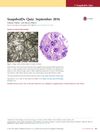 August 2016 in “Journal of Investigative Dermatology”
 Scalp psoriasis features reversible hair loss and specific immune activation, with no significant hair follicle damage.
 January 2016 in “Kafkas Journal of Medical Sciences”
 Turkish pregnant women commonly experienced skin issues like itching and acne, and doctors mainly used topical treatments due to safety concerns during pregnancy.
Thicker hair resists fungal damage better, and hair color doesn't affect susceptibility.
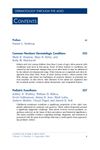
research TOC
September 2003 in “Clinics in Family Practice” The document lists dermatology topics across life stages and notes hair loss can affect self-esteem and early skin cancer treatment is crucial.
January 1994 in “Medical Entomology and Zoology” Electron microscopy helps understand skin structure and diseases.
 November 1993 in “PubMed”
 High levels of androgens can cause skin issues like acne, hair loss, and excessive hair growth.
March 1993 in “Neuroscience letters” Biotin is important for metabolism, with specific daily intake recommendations, and deficiency can cause health problems.