May 2026 in “International Journal of Cosmetic Science” UV radiation damages hair similar to bleaching, but double bleaching causes more severe protein degradation.
May 2026 in “Journal of Photochemistry and Photobiology” Solar radiation and pollution damage hair, especially light-colored and bleached hair.
May 2024 in “International Journal of Cosmetic Science” A new method using near-infrared light can effectively detect and analyze internal hair damage.
 May 2024 in “Ultramicroscopy”
 Atomic Force Microscopy is a more accurate way to assess hair damage and the effect of cosmetic treatments.
 April 2024 in “Cosmetics”
 Different oils affect hair flexibility and strength, with their impact varying on whether hair is virgin or bleached.
 January 2017 in “Nihon Keshouhin Gijutsushakaishi/Journal of S C C./Nihon Keshouhin Gijutsushakai kaishi”
 Sunlight and chemical treatments change hair's internal structure differently, needing specific care.
 13 citations
,
March 2019 in “Journal of cosmetic dermatology”
13 citations
,
March 2019 in “Journal of cosmetic dermatology” Heat damages hair, with Asian hair losing more protein than Caucasian hair.
5 citations
,
December 2020 in “International journal of biological macromolecules” Treatments improved hair surface and scale structure but didn't increase certain bonds in the hair cortex.
 8 citations
,
January 2012 in “International journal of polymer analysis and characterization/IJPAC. International journal of polymer analysis and characterization/IJPAC. International journal of analysis and characterization”
8 citations
,
January 2012 in “International journal of polymer analysis and characterization/IJPAC. International journal of polymer analysis and characterization/IJPAC. International journal of analysis and characterization” Hydrogenated palm oil repairs and conditions damaged hair by preventing swelling.
9 citations
,
March 2005 in “International Journal of Cosmetic Science” The torsional method effectively evaluates hair damage and the performance of hair care ingredients.
7 citations
,
January 1995 Silicone pretreatment protects hair from damage and reduces color fading without interfering with bleaching or dyeing.
4 citations
,
August 2016 in “PubMed” Repeated dyeing and shampooing cause hair color loss and damage.
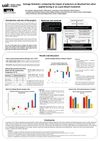 June 2017 in “University of the Arts London Research Online (University of the Arts London)”
 Polymers help reduce damage and improve bleached hair when used during or after bleaching.
27 citations
,
February 1991 Cuticle damage doesn't affect hair's tensile strength; the cortex is responsible for it.
May 2026 in “International Journal of Cosmetic Science” Ozonated water damages hair structure and proteins.
30 citations
,
September 2018 in “International Journal of Cosmetic Science” Bleaching hair causes severe structural and chemical damage, including protein loss and oxidation.
December 2025 in “Biopolymers” Heat worsens damage in chemically treated hair, especially bleached and straightened hair.
 January 2019 in “Durham e-Theses (Durham University)”
 Advanced microscopy shows hair damage and keratin proteins' roles, aiding future cosmetic treatments.

Hyaluronic acid in shampoo penetrated hair well, reduced frizz, and improved hair strength and moisture.
18 citations
,
March 2009 in “Skin pharmacology and physiology” Sunlight damages hair, causing cuticle loss, protein changes, and discoloration.
 52 citations
,
August 1978 in “Journal of Applied Polymer Science”
52 citations
,
August 1978 in “Journal of Applied Polymer Science” Human hair's ability to get wet is complex and can change with treatments, damage, and environment.
8 citations
,
February 2022 in “International Journal of Dermatology” Lipids are crucial for healthy hair, protecting it from damage and breakage.
 February 2019 in “PubMed”
 The research found that twisting hair fibers can show changes in stiffness and damage, and help tell apart different hair treatments.
April 2023 in “CRC Press eBooks” Hair care products mainly work on the hair's surface and need professional guidance for use.
 10 citations
,
November 2016 in “International Journal of Cosmetic Science”
10 citations
,
November 2016 in “International Journal of Cosmetic Science” A tough membrane between the outer and inner layers of human hair protects it from damage.
October 2021 in “Digital Library of Theses and Dissertations (Universidade de São Paulo)” The active ingredient improves the strength of damaged hair fibers.
 3 citations
,
October 2020 in “Dermatology Practical & Conceptual”
3 citations
,
October 2020 in “Dermatology Practical & Conceptual” Bubble hair damage is caused by high heat from styling tools, and trichoscopy helps diagnose it.
October 2024 in “UNESP Institutional Repository (São Paulo State University)” Straightening and dyeing damage hair structure.
 23 citations
,
August 2019 in “Proceedings of the National Academy of Sciences of the United States of America”
23 citations
,
August 2019 in “Proceedings of the National Academy of Sciences of the United States of America” Pollution exposure speeds up hair damage.
6 citations
,
January 1997 in “Medical Mycology” The fungus Piedraia hortae damages hair by slowly breaking down its layers, leading to long-lasting infection.