 1 citations
,
May 2023 in “Prospects in Pharmaceutical Sciences”
1 citations
,
May 2023 in “Prospects in Pharmaceutical Sciences” New cytokine-targeted therapies show promise for treating alopecia areata.
 September 2025 in “Journal of the American Academy of Dermatology”
 Vitiligo may be linked to stopping finasteride.
August 2025 in “Clinical and Experimental Dermatology” Alopecia areata treatments often don't lead to lasting improvement.
May 2025 in “Skin Appendage Disorders” Frontal fibrosing alopecia can be diagnosed by examining facial areas and treated with specific medications to stop its progression.
 March 2025 in “Journal of Clinical Medicine”
 Frontal fibrosing alopecia in men is often misdiagnosed and needs better diagnostic criteria and treatment strategies.
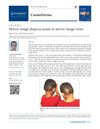
Mirror-image twins can have alopecia areata on opposite sides of their heads.
March 2024 in “INDIAN JOURNAL OF APPLIED RESEARCH” Polarity Analysis with Calcarea Carbonica may effectively treat alopecia areata with fewer side effects.
December 2023 in “JAAD Case Reports” Intralesional corticosteroids effectively treat localized alopecia areata, often sparing white hairs.
 July 2023 in “Deleted Journal”
 Alopecia areata is the most common type of baldness treated with corticosteroids and minoxidil.
 June 2023 in “Dermatology online journal”
 A person with thyroid problems had rare, swollen, bald spots on their scalp caused by a condition usually found on the shins.
December 2018 in “International journal of women’s dermatology” Early diagnosis and strong corticosteroids are crucial for managing lymphocytic cicatricial alopecia.
December 2018 in “International journal of women’s dermatology” FFA in young women is often missed, and no single treatment works best.
 April 1969 in “Postgraduate medicine”
 Use corticosteroid cream and triamcinolone injections for treating alopecia areata, and consider wigs and tranquilizers for support.
Alopecia areata often starts around age 23, can be permanent in 30% of cases, and treatments are usually temporary.
83 citations
,
July 1993 in “Journal of the American Veterinary Medical Association” Diagnosis of adrenal issues in ferrets should use symptoms, ultrasound, and surgery, not ACTH tests.
 85 citations
,
October 2012 in “Dermatologic Clinics”
85 citations
,
October 2012 in “Dermatologic Clinics” Alopecia Areata is an autoimmune condition often starting before age 20, with varied treatment success and a need for personalized treatment plans.
 218 citations
,
April 2012 in “British Journal of Dermatology”
218 citations
,
April 2012 in “British Journal of Dermatology” Guidelines suggest various treatments for alopecia areata, but leaving it untreated is also an option as 80% cases may recover on their own.
 June 2026 in “Dermatology and Therapy”
 Ritlecitinib provides new treatment options for diverse alopecia areata patients.
227 citations
,
November 2004 in “Medicine” Older adults diagnosed with lupus show less severe symptoms but have a lower survival rate, often due to age-related factors.
 164 citations
,
April 2008 in “Cochrane library”
164 citations
,
April 2008 in “Cochrane library” Current treatments for alopecia show no significant long-term benefits.
 155 citations
,
June 2009 in “International Journal of Dermatology”
155 citations
,
June 2009 in “International Journal of Dermatology” Lichen planus is a skin condition that can resolve on its own, is linked to hepatitis C, and increases the risk of skin cancer.
 128 citations
,
January 2001 in “American Journal of Clinical Dermatology”
128 citations
,
January 2001 in “American Journal of Clinical Dermatology” Coal tar shampoos, salicylic acid, and topical corticosteroids are effective for scalp psoriasis, with Vitamin D3 analogues also showing benefits; severe cases may require stronger medication with more risks.
 99 citations
,
July 2017 in “Clinical Reviews in Allergy & Immunology”
99 citations
,
July 2017 in “Clinical Reviews in Allergy & Immunology” New treatments for Alopecia Areata show promise but need to be more effective and affordable.
 56 citations
,
January 2021 in “Clinical and Experimental Medicine”
56 citations
,
January 2021 in “Clinical and Experimental Medicine” The document concludes that while there are various treatments for Alopecia Areata, there is no cure, and individualized treatment plans are essential due to varying effectiveness.
42 citations
,
March 2015 in “Anais Brasileiros de Dermatologia” Anti-TNF therapy can cause hair loss and skin issues.
37 citations
,
November 2011 in “Photodermatology Photoimmunology & Photomedicine” Narrowband UVB phototherapy alone is not very effective for treating alopecia areata.
 30 citations
,
May 2014 in “American Journal of Clinical Dermatology”
30 citations
,
May 2014 in “American Journal of Clinical Dermatology” The conclusion is that better understanding and more research are needed to effectively manage follicular and scarring disorders in skin of color, with an emphasis on patient education and cultural awareness.
26 citations
,
October 2016 in “American journal of clinical dermatology” New treatments like JAK inhibitors show promise for reversing alopecia areata.
21 citations
,
September 1987 in “PubMed” Corticosteroid injections are the most effective treatment for alopecia areata.
 13 citations
,
June 1984 in “Postgraduate Medicine”
13 citations
,
June 1984 in “Postgraduate Medicine” Pregnancy can cause various skin changes, including pigmentation, acne, and stretch marks, and may affect preexisting skin conditions.