
Hair hormone levels can indicate stress after a medically indicated abortion.
22 citations
,
January 2010 in “Clinical Medicine Insights Endocrinology and Diabetes” Forearm hair has more cortisol than lower leg hair.
157 citations
,
June 2015 in “Psychoneuroendocrinology” Hair cortisol and cortisone levels increase with age, are higher in diabetics, vary by gender, decrease with frequent hair washing, and are lower in winter.
69 citations
,
May 2016 in “General and Comparative Endocrinology” External factors can significantly affect hair cortisol levels, so it's not always a reliable stress marker.
 July 2025 in “International Journal of Dermatology Venereology and Leprosy Sciences”
 Higher stress levels may worsen alopecia areata, suggesting stress management is important for treatment.
August 2021 in “Asian Journal of Pharmaceutical and Clinical Research” Plant extracts in shampoo improved hair thickness and density in men with hair loss.
 January 2026 in “Phaidra - Repository of the University of Veterinary Medicine, Vienna”
 Hair cortisol levels in wolves reflect stress and vary by season and body region.
 May 2026 in “The Knowledge Bank (The Ohio State University)”
 Mare and foal hair cortisol levels are strongly linked, indicating potential for assessing fetal health and stress.
 April 2026 in “Frontiers in Veterinary Science”
 Male cats have higher stress levels than females.
August 2015 in “Psychoneuroendocrinology” 10 citations
,
September 2019 in “Frontiers in Veterinary Science” Older steers have higher hair cortisol levels than younger steers.
January 2026 in “Zenodo (CERN European Organization for Nuclear Research)” January 2026 in “Zenodo (CERN European Organization for Nuclear Research)” The study aims to see if maternal hair cortisol levels during pregnancy relate to adverse childhood experiences.
Cows moving from tie-stall to free-stall housing had more heel problems, less joint lesions, and higher stress levels.
May 2026 in “Psychoneuroendocrinology” January 2026 in “SSRN Electronic Journal” 85 citations
,
January 2014 in “Hormone Research in Paediatrics” Hair cortisol levels in children increase with age but are not affected by gender, puberty, or hair care.
23 citations
,
January 2016 in “Brazilian Journal of Psychiatry” First-episode psychosis patients have higher hair cortisol levels, indicating early stress response issues.
21 citations
,
January 2020 in “Conservation Physiology” Hair follicles increase hair cortisol levels, so consistent hair collection methods are important.
16 citations
,
January 2021 in “Frontiers in veterinary science” Pigs in farrowing crates and loose-housing systems showed no difference in chronic stress levels as measured by hair cortisol.
9 citations
,
February 2020 in “Stress” Children with lower inhibitory control experience more stress when starting third grade.
 5 citations
,
May 2021 in “Veterinary medicine and science”
5 citations
,
May 2021 in “Veterinary medicine and science” Injecting cosyntropin into grizzly bears increases blood cortisol but doesn't change hair cortisol levels.
2 citations
,
January 2009 The procedure reliably measures cortisol in rhesus macaque hair.
 February 2024 in “Psychoneuroendocrinology”
 Mothers with lower stress during pregnancy but higher stress after birth had infants with lower development scores.
 May 2023 in “General and comparative endocrinology”
 Monkey hair cortisol levels are not affected by how fast their hair grows.
January 2018 in “Belarusian State Pedagogical University repository (Belarusian State Pedagogical University)” Stress might trigger hair loss in alopecia areata, but more research is needed.
 December 2025 in “Biology Bulletin Reviews”
 Hair cortisol can indicate animal stress but varies with many factors.
 May 2023 in “Animal Reproduction Update”
 High levels of cortisol in hair show long-term stress which can lower fertility in animals.
5 citations
,
June 2020 in “Therapeutic drug monitoring” Hair sample weight is a better measure for cortisol levels in hair than hair protein concentration.
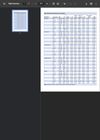 April 2026 in “Journal of Experimental Psychopathology”
 Hair cortisol levels may not reliably indicate psychological distress.