25 citations
,
September 2014 in “SpringerPlus” Sheep have a unique gene, KAP8-2, that humans don't have, which may affect wool properties.
 March 2024 in “EMBO molecular medicine”
 Antiviral drugs, especially daclatasvir, may be a new treatment for a rare skin disease, improving survival and reducing symptoms in mice.
 23 citations
,
April 2006 in “Skin Research and Technology”
23 citations
,
April 2006 in “Skin Research and Technology” The study concluded that a special imaging technique showed women with hair loss have slower hair growth and a faulty hair replacement cycle.
 1 citations
,
January 2004 in “Fashion business”
1 citations
,
January 2004 in “Fashion business” Hair color affects how people perceive personality traits.
 January 2014 in “University of the Arts London Research Online (University of the Arts London)”
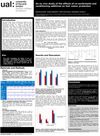
 Certain ingredients can help protect hair color.
 60 citations
,
February 1997 in “Journal of Dermatological Science”
60 citations
,
February 1997 in “Journal of Dermatological Science” Liposomes can safely and effectively deliver substances to mouse hair follicles, potentially useful for human hair treatments.
 January 2015 in “Springer eBooks”
 Hair damage shows as fragility, dullness, and discoloration, varies by ethnicity, and is worsened by cosmetic procedures and diseases.
Ayurvedic treatment improved hair fall and scalp health.
 January 2017 in “Springer eBooks”
 Over 40% of postmenopausal women experience hair loss, with treatments aiming to stop further loss and possibly thicken hair.
 107 citations
,
September 2002 in “Journal of Investigative Dermatology”
107 citations
,
September 2002 in “Journal of Investigative Dermatology” Researchers found that hair shedding happens mostly when new hair is growing and involves a unique process.
 44 citations
,
January 2005 in “Dermatology”
44 citations
,
January 2005 in “Dermatology” Hair problems can be caused by genetics or the environment, and treatment should focus on the cause and reducing hair damage.
 40 citations
,
April 2006 in “Journal of the European Academy of Dermatology and Venereology”
40 citations
,
April 2006 in “Journal of the European Academy of Dermatology and Venereology” The Trichoscan system was found to be inaccurate for measuring hair growth, needing better software to be useful.
 24 citations
,
January 2006 in “Dermatologic clinics”
24 citations
,
January 2006 in “Dermatologic clinics” Hair sunscreens are important for maintaining hair's cosmetic value.
 24 citations
,
January 2015 in “Evidence-based Complementary and Alternative Medicine”
24 citations
,
January 2015 in “Evidence-based Complementary and Alternative Medicine” Polygonum multiflorum can promote hair growth when taken orally or applied topically.
 13 citations
,
January 2017 in “Cosmetics”
13 citations
,
January 2017 in “Cosmetics” Different tests are used to see how hair care products affect hair, and choosing the right test is important for accurate results.
 8 citations
,
October 2014 in “Journal of analytical toxicology.”
8 citations
,
October 2014 in “Journal of analytical toxicology.” Chemical hair straightening significantly reduces detectable drug levels in hair.
 8 citations
,
January 2009 in “Transactions of the Materials Research Society of Japan”
8 citations
,
January 2009 in “Transactions of the Materials Research Society of Japan” Water-soluble wool keratin can protect human hair from damage during treatments.
 7 citations
,
December 2013 in “The Journal of Dermatology”
7 citations
,
December 2013 in “The Journal of Dermatology” A woman's hair turned gray and fell out after starting a cancer drug called imatinib mesylate.
 4 citations
,
April 2019 in “Cosmetics”
4 citations
,
April 2019 in “Cosmetics” Hair stiffness is higher when it has more para-like cortical cells.
 3 citations
,
January 2021 in “Wear”
3 citations
,
January 2021 in “Wear” Hair's resistance to wear varies by ethnicity and treatment, with less wear indicating stronger hair.
 3 citations
,
October 2020 in “Dermatology Practical & Conceptual”
3 citations
,
October 2020 in “Dermatology Practical & Conceptual” Bubble hair damage is caused by high heat from styling tools, and trichoscopy helps diagnose it.
 3 citations
,
June 2002 in “Transgenic Research”
3 citations
,
June 2002 in “Transgenic Research” Scientists made a mouse that can be made to lose hair and then grow it back.
 2 citations
,
January 2019 in “Applied clinical research, clinical trials and regulatory affairs”
2 citations
,
January 2019 in “Applied clinical research, clinical trials and regulatory affairs” Different countries have regulations to ensure the safety of hair care products, with some recalling hair straighteners due to high formaldehyde.
 1 citations
,
September 2022 in “International Journal of Research Publication and Reviews”
1 citations
,
September 2022 in “International Journal of Research Publication and Reviews” Nanotechnology in hair care improves results but has risks.
 1 citations
,
December 2021 in “International journal of research in dermatology”
1 citations
,
December 2021 in “International journal of research in dermatology” Dermatologists should learn more about shampoos to better treat hair and scalp issues.
 1 citations
,
March 2020 in “Current Science”
1 citations
,
March 2020 in “Current Science” Most people in the surveyed area experience hair loss, but they are not aware of the role of diet, iron, hormones, genetics, and possibly water quality in causing it.
 1 citations
,
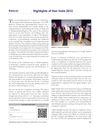
January 2012 in “International Journal of Trichology”
1 citations
,
January 2012 in “International Journal of Trichology” Hair India 2012 was a successful international event focused on combating fake trichology practices and discussing various hair health topics.
 June 2018 in “International journal of trend in scientific research and development”
 The review explains how hair products work and the science of different hair types to help improve hair care research.
 May 2021 in “Journal of emerging technologies and innovative research”
 The polyherbal hair oil effectively treats hair problems with fewer side effects.
Hair properties change under electromagnetic fields and are influenced by individual characteristics and the environment.