 January 2022 in “Journal of current research in food science”
 Eating healthy and exercising can help manage Polycystic Ovarian Syndrome and its related health problems.
May 2021 in “Indian journal of forensic medicine and toxicology” Eating too much clove can cause serious liver damage.
 September 2020 in “Nature, Environment and Pollution Technology/Nature, environment and pollution technology”
 Eating plants from polluted areas can cause liver and kidney damage in rats due to toxic metals.
Eating a lot of soy might lower the chance of early hair loss in men likely to get it.
 April 2017 in “Journal of Investigative Dermatology”
 Eating a lot of fat increases PKCβ and inflammation in skin fat cells, which affects skin and hair health.
 January 2017 in “Springer eBooks”
 Eating a balanced diet with specific nutrients can help manage menopause symptoms and prevent related health issues.
Eating soybeans improved hair and scalp health.
Eating more protein during weight loss can prevent hair loss caused by not having enough protein.
 November 2023 in “Curēus”
 Eating junk food is linked to higher rates of PCOS and related symptoms in women.
Eating healthy, exercising, and certain nutrients like myoinositol and omega-3s can help manage PCOS symptoms.
 November 2023 in “The Bovine practitioner”
 A bull got very sick and had to be put down after eating hairy vetch for months.
 June 2025 in “Journal of Neonatal Surgery”
 Managing PCOD involves lifestyle changes like exercise, healthy eating, and avoiding smoking and alcohol.
 December 2010 in “Bariatric Nursing and Surgical Patient Care”
 Hair loss after bariatric surgery can be reduced by staying hydrated, eating enough protein, taking vitamins, managing stress, and possibly using biotin.
 54 citations
,
May 2017 in “Biomedicine & Pharmacotherapy”
54 citations
,
May 2017 in “Biomedicine & Pharmacotherapy” Edible seeds from the Cucurbitaceae family like pumpkin and watermelon seeds are nutritious and may have health benefits, but eating too much can cause side effects.
 16 citations
,
November 2020 in “PLOS ONE”
16 citations
,
November 2020 in “PLOS ONE” Your lifestyle and health can affect your chances of getting COVID-19; not enough sleep, lots of exercise, and hair loss can increase risk, while washing hands, eating fruit daily, and taking vitamins A and C can lower it.
 2 citations
,
September 2016 in “Journal of skin and stem cell”
2 citations
,
September 2016 in “Journal of skin and stem cell” Acne is strongly linked to high BMI, hair loss, menstrual issues, family history, and eating too many sweets and fatty foods, but not to excessive hair growth.
11 citations
,
May 2020 in “Frontiers in psychiatry” Child abuse is linked to higher BMI, but not because of hair cortisol or cortisone levels.
 1 citations
,
August 2023 in “Journal of cosmetic dermatology (Print)”
1 citations
,
August 2023 in “Journal of cosmetic dermatology (Print)” Too much selenium can cause hair loss and nail problems.
 March 2026 in “Portuguese Journal of Dermatology and Venereology”
 Hair loss significantly affects quality of life and mental health, causing anxiety and depression.
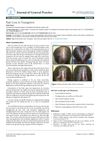 January 2018 in “Journal of general practice”
 Young people are losing hair due to stress, poor diet, pollution, and lack of sleep, but it can be treated with supplements and scalp treatments.
20 citations
,
January 2016 in “International journal of trichology” Young Indians with premature graying often have lower levels of certain nutrients and unhealthy lifestyles.
April 2018 in “Clinical and Experimental Health Sciences” The school nutrition program improved students' health and reduced vitamin deficiency symptoms.
 March 2024 in “CRC Press eBooks”
 Nutraceuticals can effectively manage hormonal imbalances and related health issues.
 August 2014 in “PLOS ONE”
 Hair loss is linked to eating less soy, having lower blood vanadium, and a specific genetic variation in Taiwanese communities.
3 citations
,
June 2023 in “American Journal of Forensic Medicine & Pathology” A child died from eating hair, causing severe stomach blockages and infection.
January 2013 in “대한피부과학회지” Men with longer-lasting hair loss eat more meat and less fish.
4 citations
,
March 2024 in “International Journal of Surgery Case Reports” An 11-year-old boy with hair-eating habits needed surgery and psychiatric help.
December 2008 in “The Internet journal of surgery” A 16-year-old girl with a hair-eating disorder needed surgery to remove a hairball from her stomach and small bowel.
January 2006 in “Trace Elements Science” Zinc deficiency increases stomach cancer risk and causes health issues in rats.
 9 citations
,
May 2001 in “Journal of the American Veterinary Medical Association”
9 citations
,
May 2001 in “Journal of the American Veterinary Medical Association” A cat's hyperactivity and hair loss were caused by eating valproic acid but improved after stopping access to the drug.