 September 2016 in “Más dermatología”
 New factors in female hair loss include genetics, hormones, stress, and inflammation; future treatments should also focus on these areas and consider the patient's emotional well-being.
 November 2015 in “European Journal of Inflammation”
 Cicatricial alopecia, a permanent hair loss condition, is mainly caused by damage to specific hair follicle stem cells and abnormal immune responses, with gene regulator PPAR-y and lipid metabolism disorders playing significant roles.
 May 2015 in “Journal of the American Academy of Dermatology”
 Certain drugs and supplements may contribute to hair loss in the frontal hairline in older women.
 June 2026 in “International Journal of Homoeopathic Sciences”
 Understanding hair loss causes can improve treatments and quality of life.
 May 2026 in “International Journal of Homoeopathic Sciences”
 Individualized Homeopathic Medicine shows promise for treating alopecia with lasting hair regrowth.
 February 2026 in “Brazilian Journal of Implantology and Health Sciences”
 Chronic stress and high cortisol levels can cause hair loss by disrupting hair growth.
 January 2026 in “Acta Dermatovenerologica Alpina Pannonica et Adriatica”
 Primary cicatricial alopecia causes permanent hair loss by destroying hair follicles, and its exact cause is unknown.
 September 2025 in “Cosmoderma”
 Pandemic stress worsens hair loss and skin issues, suggesting combined mental and skin care treatments.
September 2025 in “International Journal of Molecular Sciences” Unmodified fullerene C60 promotes hair growth and may help treat hair loss.
Acne keloidalis nuchae causes scarring on the scalp, mainly in African American males, and early treatment is important to prevent lasting damage.
 February 2025 in “Advanced Composites and Hybrid Materials”
 Glutamic acid microneedle patches promote better hair growth than traditional treatments.
 September 2024 in “Ahmar Metastasis Health Journal”
 Ginger and celery extracts did not significantly improve hair growth in rats.
 July 2024 in “Skin Research and Technology”
 The products significantly promote hair growth and maintain hair bulb health.
 April 2024 in “Cell death and differentiation”
 Cell death shapes skin stem cell environments, affecting inflammation, repair, and cancer.

New insights into cell communication in psoriasis suggest innovative drug treatments.
 June 2023 in “Historical records of Australian science/Historical Records of Australian Science”
 George Ernest Rogers was a notable scientist who made important discoveries about hair and wool proteins.
 September 2022 in “Frontiers in Bioengineering and Biotechnology”
 Taxifolin from Rhododendron mucronulatum may help prevent hair loss and promote hair growth.
 October 2021 in “Research Square (Research Square)”
 Melatonin affects certain genes and pathways involved in cashmere goat hair growth.
A spayed dog with vaginal bone structures causing infection was successfully treated by removing the bones and administering medication.
 June 2021 in “Research Square (Research Square)”
 Melatonin can increase cashmere yield by altering gene expression and restarting the growth cycle early.
 August 2019 in “Journal of Investigative Dermatology”
 Skin may help in getting rid of excess iron through the process of skin cell renewal.
 September 2018 in “Open Repository of the University of Porto (University of Porto)”
 The internship highlighted the pharmacist's important role in health education and community engagement.
 April 2018 in “Journal of Investigative Dermatology”
 DNMT3A is crucial for healthy skin and hair growth.
 January 2018 in “Stem cell biology and regenerative medicine”
 The conclusion is that the nuclear lamina and LINC complex in skin cells respond to mechanical signals, affecting gene expression and cell differentiation, which is important for skin health and can impact skin diseases.
 June 2017 in “Journal of The American Academy of Dermatology”
 LED light helps hair follicle cells grow and prevents them from dying by activating certain cell pathways.
 May 2017 in “Journal of The American Academy of Dermatology”
 LED light helps human hair root cells grow and prevents them from dying by activating specific growth pathways.
 May 2017 in “InTech eBooks”
 Trichoscopy and trichogram are useful for diagnosing hair and scalp conditions.
 April 2017 in “The journal of investigative dermatology/Journal of investigative dermatology”
 HSD11b1 affects skin nerves and increases non-histaminergic itch.
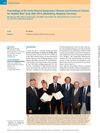 September 2014 in “Aktuelle Dermatologie”
 The symposium concluded that environmental factors significantly contribute to skin aging.
 October 2012 in “Humana Press eBooks”
 Grape seed extract is good for skin care, with antioxidant, anti-inflammatory, and anti-cancer effects.