 56 citations
,
August 2005 in “Journal of Investigative Dermatology Symposium Proceedings”
56 citations
,
August 2005 in “Journal of Investigative Dermatology Symposium Proceedings” Different women's hair and skin glands respond to hormones in varied ways, which can cause unwanted hair growth even with normal hormone levels, and more research is needed to treat this effectively.
 35 citations
,
August 2021 in “npj Regenerative Medicine”
35 citations
,
August 2021 in “npj Regenerative Medicine” Fibroblasts, cells usually linked to tissue repair, also help regenerate various organs and their ability decreases with age. Turning adult fibroblasts back to a younger state could be a new treatment approach.
 33 citations
,
February 1999 in “The journal of investigative dermatology/Journal of investigative dermatology”
33 citations
,
February 1999 in “The journal of investigative dermatology/Journal of investigative dermatology” IGF-1 increases whisker growth in transgenic mice.
 25 citations
,
March 2019 in “Dermatologic therapy”
25 citations
,
March 2019 in “Dermatologic therapy” Intralesional therapy for keratoacanthoma is effective and has fewer side effects than systemic treatments.
15 citations
,
May 2002 in “PubMed” Hormones, especially DHT, affect hair loss and growth, and targeting specific enzymes may help treat hair loss.
 11 citations
,
November 1982 in “British journal of dermatology/British journal of dermatology, Supplement”
11 citations
,
November 1982 in “British journal of dermatology/British journal of dermatology, Supplement” Testosterone and some of its forms can strongly stimulate oil gland growth in skin.
 7 citations
,
August 2017 in “PloS one”
7 citations
,
August 2017 in “PloS one” Key genes linked to hair growth and cancer were identified in hairless mice.
7 citations
,
April 1996 in “Archives of dermatological research” Topical tacalcitol can treat psoriasis by acting directly on skin cells.
4 citations
,
March 2024 in “Journal of Investigative Dermatology” SPRY1 deficiency in skin cells causes stem cells to move to the skin surface, leading to increased pigmentation.
 3 citations
,
September 2022 in “Frontiers in veterinary science”
3 citations
,
September 2022 in “Frontiers in veterinary science” Melatonin affects cashmere growth in goats by influencing stem cell and certain signaling pathways.
 2 citations
,
January 2019 in “Biomecánica”
2 citations
,
January 2019 in “Biomecánica” Hyaluronic acid and versican are important for skin healing and hair growth and might help in regenerative medicine.
 2 citations
,
March 2015 in “Expert opinion on orphan drugs”
2 citations
,
March 2015 in “Expert opinion on orphan drugs” New treatments for hair loss show promise but need more research to confirm safety and effectiveness.
 2 citations
,
January 2008 in “Elsevier eBooks”
2 citations
,
January 2008 in “Elsevier eBooks” Humans have limited regenerative abilities, but new evidence shows the adult brain and heart can regenerate, and future treatments may improve this by mimicking stem cell environments.
1 citations
,
December 2023 Hair grows in cycles and changes with age, starting from fetal development.
1 citations
,
February 2016 in “Cell Transplantation” Hair follicles have a more inactive cell cycle than other skin cells, which may help develop targeted therapies for skin diseases and cancer.
 1 citations
,
December 2015 in “The Egyptian Journal of Histology”
1 citations
,
December 2015 in “The Egyptian Journal of Histology” Hypothyroidism harms rat skin, but topical triiodothyronine may help improve it.
May 2026 in “Science Advances” Caloric stress and differentiation increase IRES translation, affecting stem cell function and potential therapies.
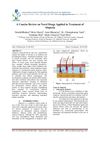
New therapies like JAK inhibitors, PRP, and stem cell treatments show promise for better alopecia management.
 September 2017 in “The journal of investigative dermatology/Journal of investigative dermatology”
 Scarred skin in lichen planopilaris loses immune cells due to a decrease in a specific protein in skin cells.
 August 2015 in “MOJ proteomics & bioinformatics”
 ePUKs could be valuable for regenerative medicine due to their wound healing abilities.
 June 2008 in “Experimental dermatology”
 Melatonin protects skin and hair from damage and stress by acting as an antioxidant and influencing cell growth.
207 citations
,
July 2006 in “Development” MTS24 marks a new type of skin cell that helps hair growth and repair.
 November 2023 in “Hair transplant forum international”
 Caffeine can stimulate hair growth, but the best dose and frequency for hair loss treatment are still unknown.
 2 citations
,
May 2023 in “Frontiers in immunology”
2 citations
,
May 2023 in “Frontiers in immunology” Skin stem cells remember past inflammation, helping them respond better to future injuries and possibly aiding in treating skin issues.
 17 citations
,
January 2010 in “PubMed”
17 citations
,
January 2010 in “PubMed” Optimal storage solutions and effective additives are crucial for improving the survival of hair transplant grafts.
 June 2024 in “Research Square (Research Square)”
 Increased cell death and reduced cell growth in hair follicles contribute to baldness.
CyRL-QN15 peptide boosts hair growth in diabetic mice by activating specific cell pathways.
 118 citations
,
January 2016 in “Current Topics in Developmental Biology”
118 citations
,
January 2016 in “Current Topics in Developmental Biology” The document concludes that while significant progress has been made in understanding skin biology and stem cells, more research is needed to fully understand their interactions with their environment.
 66 citations
,
July 2015 in “Organogenesis”
66 citations
,
July 2015 in “Organogenesis” Wnt signaling is crucial for skin wound healing and reducing scars.
 65 citations
,
February 2017 in “Pflügers Archiv - European Journal of Physiology”
65 citations
,
February 2017 in “Pflügers Archiv - European Journal of Physiology” Macrophages are vital for skin healing, hair growth, salt balance, and cancer defense.