 2 citations
,
January 2015 in “Springer eBooks”
2 citations
,
January 2015 in “Springer eBooks” Early diagnosis and aggressive treatment are crucial for Cicatricial Alopecia, and treatment effectiveness varies among patients.
2 citations
,
November 2004 in “Blood” RXRa is crucial for Th2 immune cell development and may link nutrition to immune health.
1 citations
,
January 2004 Understanding hair growth phases and signals can help treat hair disorders.
August 2025 in “EMC - AKOS - Trattato di Medicina” Non-scarring alopecia can regrow hair, but scarring alopecia is often permanent and needs quick treatment.
 September 2021 in “CRC Press eBooks”
 Lichen planopilaris causes permanent hair loss and scarring due to damage to hair follicles and can be mistaken for other hair loss conditions.
 October 2018 in “Biomedical Journal of Scientific & Technical Research”
 Otoplasty can cause permanent hair loss if bandages are too tight.
 November 2015 in “European Journal of Inflammation”
 Cicatricial alopecia, a permanent hair loss condition, is mainly caused by damage to specific hair follicle stem cells and abnormal immune responses, with gene regulator PPAR-y and lipid metabolism disorders playing significant roles.
 January 2014 in “Revista del Centro Dermatológico Pascua”
 Cutaneous lupus can cause permanent hair loss by damaging hair follicles.
 May 2010 in “Journal of the Dermatology Nurses' Association”
 Cicatricial alopecia causes permanent hair loss and is treated to relieve symptoms and stop progression.
 June 2008 in “Springer eBooks”
 The document concludes that permanent hair loss conditions are complex, require early specific treatments, and "secondary permanent alopecias" might be a more accurate term than "secondary cicatricial alopecia."
 3 citations
,
April 2022 in “Cutis”
3 citations
,
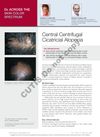
April 2022 in “Cutis” CCCA is a common, scarring hair loss in Black women that needs early detection.
 December 2025 in “Dermatology Reports”
 Topical ruxolitinib quickly improves non-segmental vitiligo.
July 2025 in “Pigment International” Follicular vitiligo causes hair to gray without skin color loss.
 March 2025 in “Journal of Education Health and Sport”
 Alopecia areata causes hair loss due to immune issues, and while new treatments show promise, no universally effective solution exists yet.
February 2021 in “Cermin Dunia Kedokteran” Vitamin D helps protect skin from aging and can improve hair growth.
51 citations
,
December 2017 in “Skin Appendage Disorders” Stress may trigger hair loss by affecting immune protection in hair follicles.
 23 citations
,
October 2018 in “Australasian Journal of Dermatology”
23 citations
,
October 2018 in “Australasian Journal of Dermatology” The current understanding of frontal fibrosing alopecia involves immune, genetic, hormonal factors, and possibly environmental triggers, but more research is needed for effective treatments.
20 citations
,
March 2019 in “Case Reports in Dermatology” IL-17 inhibitors for psoriasis may cause unexpected hair loss.
717 citations
,
June 2010 in “Nature” Alopecia areata involves both innate and adaptive immunity, with specific genes linked to the disease.
162 citations
,
October 2014 in “Autoimmunity reviews” Alopecia areata is caused by the immune system attacking hair follicles.
112 citations
,
September 1968 in “PubMed” Hot comb use can cause permanent hair loss on the scalp.
 57 citations
,
March 2018 in “International Journal of Molecular Sciences”
57 citations
,
March 2018 in “International Journal of Molecular Sciences” The extracellular matrix is crucial for controlling skin stem cell behavior and health.
35 citations
,
July 2008 in “Dermatologic therapy” Cicatricial alopecia may be caused by immune attacks on hair follicles, gland issues, or stem cell damage.
14 citations
,
September 1968 in “Archives of Dermatology” Using hot combs can cause permanent hair loss on the scalp's crown.
10 citations
,
February 2012 in “Journal of Clinical Investigation” Advancements in skin and hair biology improve dermatology care and cosmetic treatments.

New treatments for vitiligo may focus on protecting melanocyte stem cells from stress and targeting specific pathways involved in the condition.
1 citations
,
January 1997 in “Dialnet (Universidad de la Rioja)” The extracellular matrix is crucial for maintaining and regulating epidermal stem cells in hair follicles.
July 2026 in “Cell Transplantation” Fibroblasts in hair follicles play a key role in hair loss, suggesting they could be a target for treatment.
January 2026 in “Journal of Case Reports and Scientific Images” Homeopathic treatment led to full recovery from scarring alopecia.
 February 2024 in “Australasian journal of dermatology”
 Inflammatory acne damages skin stem cells and reduces their growth, leading to atrophic acne scars.