 13 citations
,
April 2001 in “International Journal of Dermatology”
13 citations
,
April 2001 in “International Journal of Dermatology” Different types of scarring alopecia may be stages of one disease, and accurate diagnosis is crucial to prevent permanent hair loss.
12 citations
,
May 2013 in “International Journal of Molecular Sciences” Stem cells from elderly skin can become neurons, offering potential for brain therapy.
11 citations
,
February 2011 in “International Journal of Molecular Sciences” Different sPLA2 enzymes have unique roles in phospholipid metabolism and biological processes.
10 citations
,
December 2015 in “International Journal of Dermatology” CK 15, follistatin, and Bmi-1 can help differentiate basal cell carcinoma from squamous cell carcinoma.
 10 citations
,
December 2015 in “International Journal of Molecular Sciences”
10 citations
,
December 2015 in “International Journal of Molecular Sciences” PDCD4 is important for controlling skin cell growth and healing.
10 citations
,
January 2015 in “International Journal of Trichology” Mechanical stress contributes to hair loss in androgenetic alopecia.
10 citations
,
January 2019 in “International Immunology” Immune cells help keep skin healthy and repair it, but imbalance can cause disease.
 10 citations
,
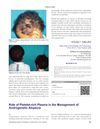
January 2012 in “International Journal of Trichology”
10 citations
,
January 2012 in “International Journal of Trichology” PRP helps hair growth in common hair loss disorder.
8 citations
,
February 2017 in “International journal of molecular sciences” Mollusc egg extract helps skin and hair cells grow and heal.
8 citations
,
July 2015 in “International Journal of Dermatology” A new DSG4 gene mutation causes hair defects in a young girl.
 8 citations
,
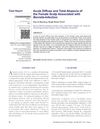
January 2015 in “International journal of trichology”
8 citations
,
January 2015 in “International journal of trichology” A woman's total hair loss was linked to a Borrelia infection and was reversed with appropriate treatment.
 8 citations
,
January 2007 in “International journal of experimental pathology”
8 citations
,
January 2007 in “International journal of experimental pathology” Hairless HRS/J mice resist Bacillus anthracis skin infections due to high numbers of immune cells, not because they lack hair follicles.
 7 citations
,
January 2020 in “International Journal of Molecular Sciences”
7 citations
,
January 2020 in “International Journal of Molecular Sciences” Low-frequency electromagnetic fields can boost molecules related to hair growth in human skin cells.
 7 citations
,
May 1978 in “International Journal of Dermatology”
7 citations
,
May 1978 in “International Journal of Dermatology” Recent hair loss research shows some progress, especially in understanding male pattern baldness, but effective treatments for many types of hair loss are still lacking.
 7 citations
,
February 2019 in “International Journal of Dermatology”
7 citations
,
February 2019 in “International Journal of Dermatology” Gray hair is caused by reduced melanin production or transfer issues, linked to aging and possibly health conditions, with treatments focusing on color camouflage.
6 citations
,
December 2024 in “International Journal of Biological Macromolecules” The hydrogel improves burn healing by promoting tissue growth and reducing inflammation.
6 citations
,
May 2023 in “International journal of molecular sciences” Collagen-enhanced mesenchymal stem cells significantly improve skin wound healing.
6 citations
,
July 2021 in “International Wound Journal” The biofilm-dispersing wound gel helps wounds heal faster and prevents infection.
 6 citations
,
December 2015 in “International journal of nanomedicine”
6 citations
,
December 2015 in “International journal of nanomedicine” Using sonophoresis can make it harder for certain drug-loaded liposomes to get through the skin.
6 citations
,
February 1997 in “International Journal of Dermatology” Kaposi's sarcoma lesions might originate from benign tissue changes.
5 citations
,
August 2001 in “International Journal of Dermatology” A 20-year-old had hair loss and skin issues from lichen planopilaris starting at age 10.
 5 citations
,
August 2018 in “International Journal of Dermatology”
5 citations
,
August 2018 in “International Journal of Dermatology” Men with sleep apnea and low iron levels are more likely to have male-pattern baldness, especially if they have a family history of hair loss.
4 citations
,
December 2024 in “International Journal of Dermatology” Mohs micrographic surgery is more effective than surgical excision for treating pilomatrix carcinoma, with no recurrences.
 4 citations
,
August 2017 in “International journal of molecular sciences”
4 citations
,
August 2017 in “International journal of molecular sciences” The conclusion is that Pigmented Epithelioid Melanocytoma can start from hair follicle stem cells or from a mole on the skin.
4 citations
,
November 2024 in “International Journal of Biological Macromolecules” Zinc sulfide cellulose scaffolds can reduce scarring and promote hair growth.
 4 citations
,
July 2022 in “International Journal of Health Sciences”
4 citations
,
July 2022 in “International Journal of Health Sciences” Rosemary may improve scalp blood circulation and protect skin from sun damage.
 4 citations
,
March 2021 in “International Journal of Dermatology”
4 citations
,
March 2021 in “International Journal of Dermatology” COVID-19 and related stress may increase hair loss known as Telogen effluvium.
4 citations
,
October 2021 in “International Journal of Cosmetic Science” Cirsium japonicum flower extract increases melanin production and could help treat depigmentation conditions.
4 citations
,
February 2019 in “BioMed Research International” Ebastine may promote hair regrowth by increasing cell growth through the ERK pathway.
 4 citations
,
May 2018 in “International Journal of Molecular Sciences”
4 citations
,
May 2018 in “International Journal of Molecular Sciences” The research showed how melanocytes develop, move, and respond to UV light, and their stem cells' role in hair color and skin cancer risk.