 4 citations
,
January 2022 in “BioMed Research International”
4 citations
,
January 2022 in “BioMed Research International” Using mesenchymal stem cells or their exosomes is safe for COVID-19 patients and helps improve lung healing and oxygen levels.
 3 citations
,
September 2023 in “Skin research and technology”
3 citations
,
September 2023 in “Skin research and technology” New treatments for skin damage from UV light using stem cells and their secretions show promise for skin repair without major risks.
3 citations
,
November 2011 in “Small GTPases” Researchers found that hair follicle stem cells can become squamous cell carcinoma due to Ras activation, which could lead to new treatments.
2 citations
,
June 2022 in “Life” A 14-year-old boy is the youngest person reported with a rare, benign tumor related to hair follicles, usually found in older people.
2 citations
,
November 2025 in “International Journal of Molecular Sciences” Chitosan-based materials are promising for treating diseases and healing wounds due to their beneficial properties.
 2 citations
,
June 2023 in “Gels”
2 citations
,
June 2023 in “Gels” Injectable hydrogels are becoming increasingly useful in medicine for drug delivery and tissue repair.
2 citations
,
November 2019 in “FEBS open bio” Combining specific inducers helps dermal papilla cells regain hair-forming ability.
 1 citations
,
June 2023 in “Cells”
1 citations
,
June 2023 in “Cells” Exosomes could be a promising way to help repair skin and treat skin disorders.
1 citations
,
September 2021 in “Advances in skin & wound care” SARS-CoV-2 might infect and multiply in skin tissue, possibly aiding in its transmission.
1 citations
,
June 2018 in “World rabbit science” Different miRNAs in Rex rabbit skin affect cell processes and hair growth.
1 citations
,
October 2016 in “Molecular biology of the cell” The author felt excited and honored to receive the 2016 Early Career Life Scientist Award.
1 citations
,
June 2014 in “Journal of developmental biology” Retinoic acid helps change skin cells and is important for skin development and hair growth.
1 citations
,
January 2025 in “Advances in Wound Care” Dermal sheath cells help heal wounds by showing both skin and connective tissue traits.
 1 citations
,
June 2023 in “JAAD case reports”
1 citations
,
June 2023 in “JAAD case reports” Nivolumab treatment led to hair regrowth in a man with metastatic melanoma and alopecia areata.
 July 2026 in “Current Issues in Molecular Biology”
 Plerixafor may help restore skin pigmentation safely.
 July 2026 in “Pharmaceuticals”
 Plant-derived extracellular vesicles show promise for delivering drugs and treating diseases.
 March 2026 in “Science China Materials”
 SeV-Tp speeds up healing of drug-resistant infections by targeting wounds and killing bacteria with light activation.
November 2025 in “Journal of Pharmacy and Pharmacology” PEDF reduces oxidative damage and supports stem cells.
Pilomatricoma is a rare, harmless skin lump that needs accurate diagnosis and timely treatment.
 June 2025 in “International Journal of Molecular Sciences”
 Targeting EMT and fibrotic remodeling may help treat androgenetic alopecia.
 February 2025 in “Journal of Nanobiotechnology”
 A new treatment using microneedles with black phosphorus and laser helps regrow hair effectively and safely.
 April 2024 in “Journal of Cytology”
 A rare skin tumor with bone formation was successfully removed without recurrence.
 July 2023 in “JAAD International”
 Two drugs, finasteride and minoxidil, are approved for hair loss treatment, but new therapies are being developed.
 June 2023 in “Frontiers in Medicine”
 Protein tyrosine kinases are key in male pattern baldness, affecting skin structure, hair growth, and immune responses.
January 2026 in “Dermatologic Therapy” Folliculotropic Mycosis Fungoides requires stage-based treatment, with early stages using skin therapies and advanced stages needing aggressive treatments.
 April 2024 in “Materials today bio”
 The CuCS/Cur wound dressing helps regenerate nerves and heal deep skin burns by rebuilding hair follicles.
 April 2024 in “Journal of translational medicine”
 Melanocytes are important for normal body functions and have potential uses in regenerative medicine and disease treatment.
 February 2024 in “Plastic and Reconstructive Surgery – Global Open”
 Stem cell therapies show promise for hair regrowth in androgenetic alopecia.
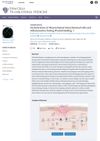 July 2023 in “Stem Cells Translational Medicine”
 Mesenchymal Stem/Stromal Cells (MSCs) help in wound healing and tissue regeneration, but can also contribute to tumor growth. They show promise in treating chronic wounds and certain burns, but their full healing mechanisms and potential challenges need further exploration.
Hair disorders can be genetic or acquired, affecting hair growth and loss differently.