 2 citations
,
October 2018 in “The journal of pediatrics/The Journal of pediatrics”
2 citations
,
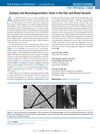
October 2018 in “The journal of pediatrics/The Journal of pediatrics” The document concludes that specific hair and blood vessel abnormalities in infants with seizures and developmental issues may indicate Menkes disease, which lacks a cure and is often fatal by age 3.
 7 citations
,
November 2014 in “Histochemistry and Cell Biology”
7 citations
,
November 2014 in “Histochemistry and Cell Biology” The we/we wal/wal mice have defects in hair growth and skin layer formation, causing hair loss, useful for understanding alopecia.
10 citations
,
August 2010 in “Hereditas (Beijing)” Hoxc13 is essential for hair growth and follicle development.
 January 2022 in “Acta dermatovenerologica Alpina, Pannonica et Adriatica (Tiskana izd.)”
 Uncombable hair syndrome causes frizzy hair and can affect the nervous system, eyes, and ears, often co-occurring with other hair, skin, nail, and teeth conditions, and is linked to three specific gene mutations.
April 2017 in “Journal of dermatological science” Removing PLCg1 from skin cells caused thicker oil glands and less hair in mice.
 2 citations
,
January 1960 in “Australian Journal of Biological Sciences”
2 citations
,
January 1960 in “Australian Journal of Biological Sciences” The Naked gene in mice causes abnormal sebaceous glands and disrupts hair follicle organization.
December 2021 in “OPAL (Open@LaTrobe) (La Trobe University)” Disrupting the Hars2 gene in mice causes hearing loss due to mitochondrial problems and hair cell damage.
151 citations
,
August 2011 in “The EMBO Journal” The enzyme PA-PLA1α is important for proper hair follicle development.
August 2020 in “CRC Press eBooks” Abnormal growth factors can cause hair and skin issues.
 3 citations
,
December 2001 in “Irish Journal of Psychological Medicine”
3 citations
,
December 2001 in “Irish Journal of Psychological Medicine” Trichotillomania is a challenging-to-treat impulse-control disorder where individuals pull out their hair, more common in females, with some treatments showing benefits.
 November 2025 in “Frontiers in Immunology”
 Immune cells are crucial for normal skin development and their dysfunction can cause skin disorders.
Bovines can have rare inherited skin diseases with specific symptoms like hair loss, fragile skin, and abnormal porphyrin buildup.
 June 2013 in “Expert Review of Dermatology”
 The article concludes that hormonal therapy is an effective long-term acne treatment, even for those without hormonal imbalances.
12 citations
,
August 2007 in “Human Molecular Genetics” Lymphotoxin-β is crucial for proper skin development in embryos.
 5 citations
,
February 2019 in “PloS one”
5 citations
,
February 2019 in “PloS one” Bald thigh syndrome in sighthounds is caused by structural defects in hair shafts due to downregulated genes and proteins.
66 citations
,
October 2002 in “Human molecular genetics online/Human molecular genetics” A gene mutation in mice causes skin defects and early death.
 November 2019 in “Nosotchu”
 Man had stroke possibly linked to hair loss medications finasteride and minoxidil.
 52 citations
,
October 2012 in “Journal of Dermatological Science”
52 citations
,
October 2012 in “Journal of Dermatological Science” The document concludes that mouse models are crucial for studying hair biology and that all mutant mice may have hair growth abnormalities that require detailed analysis to identify.
 44 citations
,
January 2005 in “Dermatology”
44 citations
,
January 2005 in “Dermatology” Hair problems can be caused by genetics or the environment, and treatment should focus on the cause and reducing hair damage.
 126 citations
,
January 1987 in “Journal of The American Academy of Dermatology”
126 citations
,
January 1987 in “Journal of The American Academy of Dermatology” The document concludes that understanding hair structure is key to diagnosing hair abnormalities and recommends gentle hair care for management.
 86 citations
,
December 2001 in “Experimental dermatology”
86 citations
,
December 2001 in “Experimental dermatology” Mutant mice help researchers understand hair growth and related genetic factors.
 7 citations
,
November 2013 in “Pediatric and Developmental Pathology”
7 citations
,
November 2013 in “Pediatric and Developmental Pathology” Over half of the children had abnormal hair under a microscope, with many having genetic hair conditions.
 6 citations
,
March 2016 in “PLoS ONE”
6 citations
,
March 2016 in “PLoS ONE” The patient's hair was thinner and had fewer lipids due to a genetic mutation.
 January 2019 in “Global Dermatology”
 Genetic hair shaft abnormalities can be seen with microscopes and often affect scalp hair.
 6 citations
,
September 2024 in “Frontiers in Physiology”
6 citations
,
September 2024 in “Frontiers in Physiology” Overexpression of R-spondin 3 leads to sparse hair and impaired hair regeneration.
 January 2025 in “Case Reports in Dermatological Medicine”
 Exosome therapy improved hair growth and quality in a child with hair issues.
 17 citations
,
June 2011 in “The journal of investigative dermatology/Journal of investigative dermatology”
17 citations
,
June 2011 in “The journal of investigative dermatology/Journal of investigative dermatology” The G60S Connexin43 mutation causes hair growth issues and poor hair quality in mice, similar to human ODDD patients.
 June 2024 in “Annals of Medicine and Surgery”
 A 23-year-old Syrian woman has two rare hair disorders, and avoiding hair treatments plus using vitamins and minoxidil may help.
 27 citations
,
April 2011 in “International journal of legal medicine”
27 citations
,
April 2011 in “International journal of legal medicine” In situ DNA labeling in hair can help predict forensic DNA analysis success.
 1 citations
,
November 2018 in “Journal of pathology and translational medicine”
1 citations
,
November 2018 in “Journal of pathology and translational medicine” Fetal death was caused by umbilical cord stricture with hair growth in the Wharton jelly.