 November 2023 in “Indian Dermatology Online Journal”
 Tofacitinib was effective for severe, treatment-resistant hair loss without side effects.
66 citations
,
October 1987 in “The Journal of clinical endocrinology and metabolism/Journal of clinical endocrinology & metabolism” Measuring androstanediol glucuronide in blood is useful for assessing and tracking treatment in women with excessive hair growth.
 18 citations
,
December 1996 in “Seminars in Cutaneous Medicine and Surgery”
18 citations
,
December 1996 in “Seminars in Cutaneous Medicine and Surgery” Chemotherapy and cytokine therapy can cause various skin reactions, including hair loss and hypersensitivity.
13 citations
,
January 2016 in “Annals of Dermatology” Stress can slow hair growth by affecting certain cells and pathways.
 80 citations
,
November 1975 in “Acta dermato-venereologica”
80 citations
,
November 1975 in “Acta dermato-venereologica” Large doses of glucocorticoids are not suitable for general use in treating severe alopecia areata due to inconsistent results and risks.
19 citations
,
January 1991 in “PubMed” Glucocorticoid treatment improved symptoms in a girl with Satoyoshi disease.
 4 citations
,
October 2007 in “Dermatologic Clinics”
4 citations
,
October 2007 in “Dermatologic Clinics” Glucocorticoids and sex hormones affect skin health, with potential for targeted treatments to minimize side effects and treat skin conditions.
2 citations
,
December 2001 in “Dermatologic Therapy” Steroids may not work well for alopecia areata because of high unoccupied receptors and low thioredoxin levels.
48 citations
,
August 1981 in “American Journal of Veterinary Research” Glucocorticoid use in dogs quickly causes liver changes and Cushing's syndrome symptoms.
 1 citations
,
January 2023 in “Przegląd Dermatologiczny”
1 citations
,
January 2023 in “Przegląd Dermatologiczny” The Polish Society of Dermatology recommends treatments for alopecia areata that vary by severity, including topical and systemic medications, with long-term maintenance important for management.
463 citations
,
September 2004 in “Clinics in dermatology” Effective acne treatments should reduce sebum, bacteria, and inflammation, with isotretinoin being the best for severe cases.
20 citations
,
June 2003 in “Neurology” Tacrolimus and corticosteroids can improve symptoms of Satoyoshi syndrome.
 17 citations
,
January 1995 in “The American Journal of Medicine”
17 citations
,
January 1995 in “The American Journal of Medicine” The document concludes that proper diagnosis and tailored long-term treatment can effectively manage androgenic disorders in women, improving patient care outcomes.
 1 citations
,
January 2005 in “Side effects of drugs annual”
1 citations
,
January 2005 in “Side effects of drugs annual” The document concluded that various dermatological treatments have different effectiveness and side effects, with some causing irritation, allergic reactions, or systemic effects.
April 2019 in “Journal of the Endocrine Society” Glucocorticoid treatment lowered androgen levels but didn't improve hirsutism or ovulation and caused weight gain.
Sheep can lose wool quickly due to stress, but it doesn't cause itching or pain.
 33 citations
,
January 2009 in “Contraception”
33 citations
,
January 2009 in “Contraception” Chlormadinone acetate is a strong, well-tolerated hormone used in birth control and hormone therapy with benefits for menstrual pain and skin conditions.
 May 2026 in “SHILAP Revista de lepidopterología”
 Dupilumab effectively treated severe alopecia areata in a child.
June 2023 in “Clinical Chemistry” Unregulated supplements can contain hidden drugs causing misleading symptoms and test results.
12 citations
,
January 1999 in “Journal of Animal Science” Glucocorticoids and thyroid hormones together are essential for fetal fat development.
 August 2024 in “Clinical Cosmetic and Investigational Dermatology”
 Upadacitinib and narrowband UVB effectively treated a child's vitiligo and alopecia areata.
 November 2013 in “John Wiley & Sons, Ltd eBooks”
 Skin symptoms can indicate endocrine disorders and have various treatments.
 January 1983 in “Elsevier eBooks”
 Cyproterone acetate is used to treat conditions like prostate cancer, early puberty, excessive sexual drive, and female androgenization by affecting androgen functions and suppressing certain hormones.
 4 citations
,
September 2014 in “Elsevier eBooks”
4 citations
,
September 2014 in “Elsevier eBooks” Use some skin medications with caution during pregnancy; avoid strong steroids, certain eczema treatments, and systemic retinoids, but many topical treatments and nasal sprays are safe.
3 citations
,
October 2024 in “Experimental Dermatology” Higher CRHR1 levels in AA patients lead to increased inflammation.
 October 2016 in “Elsevier eBooks”
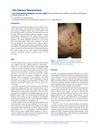
 Common noncancerous skin diseases have various treatments, including topical applications, light therapy, surgery, and medications, with psychological support being important.
 52 citations
,
January 2020 in “Scientific Reports”
52 citations
,
January 2020 in “Scientific Reports” NLCs with manual massage greatly improve clobetasol delivery to hair follicles.
 May 2023 in “Animal Reproduction Update”
 High levels of cortisol in hair show long-term stress which can lower fertility in animals.
 50 citations
,
August 1999 in “Experimental dermatology”
50 citations
,
August 1999 in “Experimental dermatology” The control system for hair growth cycles is not well understood and needs more research.
 35 citations
,
October 2012 in “Dermatologic Clinics”
35 citations
,
October 2012 in “Dermatologic Clinics” Autoimmune diseases can cause hair loss, and early treatment is important to prevent permanent damage.