11 citations
,
March 2015 in “Life sciences” Vitamin D3-activated cell byproduct promotes hair growth in mice by increasing blood vessel growth.
 2 citations
,
June 2005 in “Clinical Oncology”
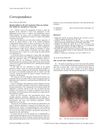
2 citations
,
June 2005 in “Clinical Oncology” A man's bald spot grew hair after starting cancer treatment with gefitinib.
 January 2024 in “International Journal of Zoological Investigations”
 The herbal oil with Helianthus annuus and Martynia annua seeds promotes significant hair growth.
 March 2005 in “Journal of The American Academy of Dermatology”
 Two cosmetic lotions improved hair growth and had better cosmetic effects than 2% minoxidil.
6-Gingerol can slow down hair growth by affecting certain proteins.
39 citations
,
March 2009 in “Dermatology Online Journal” Understanding EGFR roles could lead to new hair loss treatments.
 62 citations
,
July 1993 in “Journal of Investigative Dermatology”
62 citations
,
July 1993 in “Journal of Investigative Dermatology” Hair growth is influenced by interactions between skin layers, growth factors, and hormones, but the exact mechanisms are not fully understood.
43 citations
,
January 2014 in “Indian Journal of Dermatology” EGFR inhibitors can cause skin issues like acne and dryness, but these can be managed without stopping treatment.
 38 citations
,
February 2012 in “Supportive Care in Cancer”
38 citations
,
February 2012 in “Supportive Care in Cancer” Skin problems like acne, dry skin, and nail and hair changes are common in patients taking EGFR inhibitors.
 68 citations
,
April 2012 in “Journal of Investigative Dermatology”
68 citations
,
April 2012 in “Journal of Investigative Dermatology” The conclusion is that Fgf18 and Tgf-ß signaling could be targeted for hair loss treatments.
33 citations
,
February 2021 in “Journal of Medicinal Chemistry” New compounds were developed that promote hair growth in mice.
22 citations
,
March 2017 in “Journal of the Formosan Medical Association” The guidelines help doctors manage skin problems from certain cancer treatments to improve patients' lives.
 12 citations
,
October 2020 in “Scientific Reports”
12 citations
,
October 2020 in “Scientific Reports” Necrostatin-1s can promote hair growth and may help treat hair loss.
 9 citations
,
April 2019 in “Biomolecules & Therapeutics”
9 citations
,
April 2019 in “Biomolecules & Therapeutics” Udenafil may help hair grow by activating certain stem cells.
9 citations
,
February 2001 in “Journal of Dermatological Science” p21waf1/cip1 and p27kip1 help in hair follicle differentiation in rats.
6 citations
,
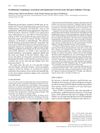
July 2015 in “JAAD Case Reports” Doxycycline can effectively treat hair loss caused by EGFR inhibitors.
 3 citations
,
May 2018 in “Biochemical and Biophysical Research Communications”
3 citations
,
May 2018 in “Biochemical and Biophysical Research Communications” iNOS contributes to hair loss in obese diabetic mice and blocking it may encourage hair growth.
 1 citations
,
August 2016 in “Journal of Investigative Dermatology”
1 citations
,
August 2016 in “Journal of Investigative Dermatology” Activating STAT5 in the skin's dermal papilla is key for starting hair growth, regenerating hair follicles, and healing wounds.
 17 citations
,
January 2010 in “Acta Dermato Venereologica”
17 citations
,
January 2010 in “Acta Dermato Venereologica” EGFR inhibitors can cause yellowish skin eruptions.
9 citations
,
September 2017 in “PubMed” EGFR inhibitors can cause skin issues, but managing them is important for treatment success.
9 citations
,
October 2015 in “Journal of Cutaneous Pathology” Erythematous papulopustular eruptions in cancer patients using EGFR inhibitors show specific skin changes that vary with severity and treatment type.
September 2019 in “Journal of Investigative Dermatology” EGFR and MEK inhibitors reduce PD-L1 in hair follicles, possibly causing inflammation.
November 2010 in “International Journal of Dermatology and Venereology” EGFR inhibitors can cause skin issues, and managing these is important for treatment success.
1 citations
,
May 2025 in “BMC Cancer” CDK4/6 inhibitors affect safety and quality of life differently, requiring careful use.
 April 2023 in “The journal of investigative dermatology/Journal of investigative dermatology”
 Blocking EGFR can lead to hair loss due to inflammation and stem cell damage.
 77 citations
,
March 2021 in “Nature”
77 citations
,
March 2021 in “Nature” Stress hormone corticosterone blocks a growth factor to slow down hair stem cell activity and hair growth.
37 citations
,
December 1995 in “Journal of Cell Science” Nexin 1 may help control hair growth.
34 citations
,
March 2009 in “British journal of dermatology/British journal of dermatology, Supplement” Vitamin C derivative helps hair grow longer by making cells produce a growth factor through a specific cellular pathway.
25 citations
,
March 2022 in “International journal of biological macromolecules” miR-181a-5p helps hair growth by activating a specific signaling pathway.
8 citations
,
October 2020 in “Stem cell research & therapy” DNMT1 helps turn hair follicle stem cells into fat cells by blocking a specific microRNA.