 July 2018 in “Elsevier eBooks”
 Telogen Effluvium is a common, usually reversible hair loss condition, often improved by removing the trigger and possibly treated with various products, though their effectiveness is uncertain.
Any medication can cause skin reactions, some due to allergies and others due to dosage or genetic factors.
 April 2012 in “Informa Healthcare eBooks”
 Telogen effluvium is a common hair loss condition where many hairs enter the resting phase, often not noticeable until significant loss occurs, and treatment focuses on the underlying cause.
 March 2007 in “The FASEB Journal”
 Henna mixed with PPD can cause skin reactions, scarring, and a specific type of baldness, and needs more research to understand these effects.
 July 1980 in “Journal of The American Academy of Dermatology”
 The conference concluded that understanding hair and nail disorders is important, iron deficiency may be linked to hair loss, and while some treatments for skin conditions are effective, they may have risks and high costs.
 February 1960 in “Journal of the American Medical Association”
 Treatments for hair loss include estrogen therapy and special shampoos.
 July 2008 in “British Journal of Dermatology”
 Cyclosporin doesn't stop hair loss.
 138 citations
,
November 2015 in “Journal of Pharmacology and Experimental Therapeutics”
138 citations
,
November 2015 in “Journal of Pharmacology and Experimental Therapeutics” Protoporphyrin IX is useful in cancer treatment but can cause health problems if not properly regulated.
 117 citations
,
November 2006 in “Experimental Dermatology”
117 citations
,
November 2006 in “Experimental Dermatology” The article concludes that the wool follicle is a valuable model for studying tissue interactions and has potential for genetic improvements in wool production.
 48 citations
,
July 2001 in “Clinics in Dermatology”
48 citations
,
July 2001 in “Clinics in Dermatology” Cosmetics enhance beauty, fix defects, and intimidate enemies, with varying cultural standards and alternative methods.
 37 citations
,
March 1990 in “The Journal of Pediatrics”
37 citations
,
March 1990 in “The Journal of Pediatrics” Toxic shock syndrome is caused by a complex interaction of bacterial toxins and the immune system, and understanding this can help improve diagnosis and treatment.
 21 citations
,
January 2019 in “Elsevier eBooks”
21 citations
,
January 2019 in “Elsevier eBooks” Green-synthesized nanoparticles can effectively target cancer cells, reducing side effects and improving treatment.
 2 citations
,
July 2020 in “International Journal for Research in Applied Science and Engineering Technology”
2 citations
,
July 2020 in “International Journal for Research in Applied Science and Engineering Technology” Pseudomonas DL17 can completely break down the harmful dye Sunset Yellow FCF in 48 hours.
 1 citations
,
November 2014
1 citations
,
November 2014 The document explains hair and nail biology, common hair loss conditions and treatments, oral and genital skin diseases, and the risks and treatments associated with squamous cell carcinoma.
 June 2024 in “Journal of Islamic International Medical College”
 Low zinc is linked to all alopecia types, and low copper is linked to male pattern alopecia.
 January 2017 in “Springer eBooks”
 The document explains various skin conditions and their treatments.
 May 1991 in “Current problems in dermatology”
 Skin issues can indicate immune system problems.
 47 citations
,
May 2021 in “Polymers”
47 citations
,
May 2021 in “Polymers” Jojoba oil is highly valued for its diverse medicinal and industrial uses.
 41 citations
,
December 2018 in “Experimental Dermatology”
41 citations
,
December 2018 in “Experimental Dermatology” Understanding how melanocyte stem cells work could lead to new treatments for hair graying and skin pigmentation disorders.
 38 citations
,
September 2017 in “Oncologist”
38 citations
,
September 2017 in “Oncologist” Scalp cooling can help prevent chemotherapy-induced hair loss with a 50-90% success rate and is safe for patients.
 30 citations
,
May 1991 in “Psychosomatics”
30 citations
,
May 1991 in “Psychosomatics” Some psychiatric medications can cause reversible hair loss.
 8 citations
,
June 2016 in “Journal of Pharmacy Practice”
8 citations
,
June 2016 in “Journal of Pharmacy Practice” Lisinopril, a heart medication, probably caused hair loss in a patient, which stopped after switching drugs.
 5 citations
,
July 2018 in “Pediatrics”
5 citations
,
July 2018 in “Pediatrics” A 3-year-old girl developed scurvy symptoms that improved with vitamin C but relapsed when supplementation stopped.
 5 citations
,
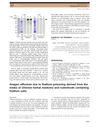
June 2015 in “Journal of dermatology”
5 citations
,
June 2015 in “Journal of dermatology” A woman and her daughter had thallium poisoning from a herbal drink and rodenticide, causing hair loss and other symptoms.
 2 citations
,
June 2011 in “Journal of clinical and experimental investigations”
2 citations
,
June 2011 in “Journal of clinical and experimental investigations” Oral zinc sulphate is an effective and safe treatment for thallium poisoning, especially for skin and hair symptoms.
 1 citations
,
April 2025 in “International Journal of Pharmaceutical Research and Applications”
1 citations
,
April 2025 in “International Journal of Pharmaceutical Research and Applications” The herbal shampoo cleans hair well, promotes growth, and is a safe alternative to synthetic shampoos.
 1 citations
,
March 2015 in “Journal of Cutaneous Medicine and Surgery”
1 citations
,
March 2015 in “Journal of Cutaneous Medicine and Surgery” Eyebrow hair transplants can regrow after high-dose radiation therapy.
 June 2025 in “Journal of Neonatal Surgery”
 Managing PCOD involves lifestyle changes like exercise, healthy eating, and avoiding smoking and alcohol.
 May 2024 in “Portuguese journal of dermatology and venereology”
 Reassurance and counseling are key in managing acute telogen effluvium, with supplements possibly offering a placebo effect.
 August 2018 in “Online journal of neurology and brain disorders”
 Sodium valproate is effective in treating epilepsy, especially in patients who don't respond to other medications.