 April 2026 in “Zenodo (CERN European Organization for Nuclear Research)”
 Hair loss is common and varies by type, with androgenetic alopecia being the most prevalent.
 January 2026 in “Dermatology and Therapy”
 Poor sleep may lead to hair loss, and hair loss may affect sleep.
 August 2025 in “Annals of Indian Psychiatry”
 Hair loss can affect mood, self-esteem, body image, and quality of life.
 June 2025 in “Pediatric Annals”
 Early detection and treatment of hair loss in teens is crucial to prevent permanent loss and boost self-esteem.
 May 2025 in “Quality in Sport”
 Hair loss is caused by genetics, hormones, stress, and environment, and can be managed with good nutrition, stress control, and treatments.
 February 2024 in “International Journal of Research in Dermatology”
 Alcohol-free minoxidil 5% is effective and safe for treating male pattern hair loss.
 October 2023 in “European medical journal. Dermatology”
 Hair loss greatly affects quality of life, and dermatologists are crucial for proper diagnosis and treatment.
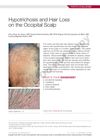 September 2023 in “Cutis”
 A baby girl has a hair disorder called monilethrix, causing fragile hair that may improve over time.
 September 2023 in “Journal of the Dermatology Nurses’ Association”
 Platelet-Rich Plasma (PRP) may be a safe and effective treatment for hair loss caused by Alopecia Areata.
 September 2023 in “Clinical, Cosmetic and Investigational Dermatology”
 About one-third of Saudi women with female pattern hair loss also have thinning hair at the back of their head.
 January 2023 in “DAHUDER Medical Journal”
 Sudden hair loss might be a symptom of COVID-19.
August 2018 in “Archives on veterinary science and technology” Hair loss in lab macaques is not always due to neglect and has multiple causes.
 July 2018 in “Elsevier eBooks”
 The most common cause of hair loss in children is tinea capitis, followed by alopecia areata and telogen effluvium.
November 2014 in “DOAJ (DOAJ: Directory of Open Access Journals)” Nanostructured lipid carriers can effectively deliver spironolactone to hair follicles for treating hair loss.

Hair loss can significantly affect mental health.
 January 2015 in “프로그램북(구 초록집)”
 Dutasteride is effective and safe for treating common hair loss, and it's more potent than finasteride, leading to better hair growth and thickness.
 218 citations
,
January 2013 in “The Lancet Oncology”
218 citations
,
January 2013 in “The Lancet Oncology” Chemotherapy causes hair loss by damaging hair follicles and stem cells, with more research needed for prevention and treatment.
 112 citations
,
October 2005 in “Mayo Clinic Proceedings”
112 citations
,
October 2005 in “Mayo Clinic Proceedings” Minoxidil and finasteride can slow hair loss and stimulate regrowth, but won't restore all lost hair or reverse complete baldness.
2 citations
,
April 2008 in “Advances in therapy” Proper diagnosis and treatment of childhood hair loss require distinguishing between alopecia and trichotillomania.
 1 citations
,
January 2019 in “Paediatrics and Child Health”
1 citations
,
January 2019 in “Paediatrics and Child Health” The document concludes that understanding hair biology and recognizing hair conditions are crucial for managing and treating hair loss in children.

Nicolaides-Baraitser syndrome may cause eczema and hair loss, needing early skin care and treatment.
 May 2025 in “Journal of Dispersion Science and Technology”
 A new peppermint oil delivery system may help treat hair loss.
January 2022 in “Clinical Cases in Dermatology” The girl's hair loss is due to trichotillomania, which may improve with behavioral therapy or a combination of treatments.
 October 2021 in “Journal of the European Academy of Dermatology and Venereology”
 There have been major advances in diagnosing and treating hair loss over the last 30 years, with new drugs and improved hair transplant techniques.

Effective treatment for midlife women's hair loss is limited, with 5% minoxidil foam being the only proven option for the most common type.
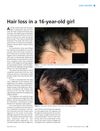 November 2014 in “Prescriber”
 The 16-year-old girl with hair loss was successfully treated for alopecia areata, leading to significant hair regrowth.

Recent discoveries have improved our understanding of hair loss, but challenges in treatment and knowledge among specialists still exist.
 20 citations
,
January 2015 in “Current problems in dermatology”
20 citations
,
January 2015 in “Current problems in dermatology” Graying hair happens due to aging and might be delayed by new treatments.
 8 citations
,
January 2020 in “Plastic and Aesthetic Nursing”
8 citations
,
January 2020 in “Plastic and Aesthetic Nursing” The article concludes that different types of hair loss require specific treatments and psychological support is important.
 July 2026 in “Journal of Cutaneous and Aesthetic Surgery”
 Male hair loss is mainly due to androgens, while female hair loss involves hormones, vitamins, and genetics.