 January 2024 in “World Journal of Biology Pharmacy and Health Sciences”
 High prolactin and low vitamin D levels may be linked to hair loss in women.
 4 citations
,
January 2020 in “International Journal of Trichology”
4 citations
,
January 2020 in “International Journal of Trichology” Too much epidermal growth factor can cause hair loss.
 13 citations
,
November 2012 in “Journal of The European Academy of Dermatology and Venereology”
13 citations
,
November 2012 in “Journal of The European Academy of Dermatology and Venereology” Certain factors like allergies, nail problems, and hair loss patterns can predict how well someone with patchy hair loss will respond to skin cream treatments.
 2 citations
,
January 2019 in “Skin appendage disorders”
2 citations
,
January 2019 in “Skin appendage disorders” Higher social status is linked to earlier diagnosis and better treatment results for Frontal Fibrosing Alopecia in women.
 July 2022 in “Dermatology Reports”
 Low zinc levels might be linked to worse outcomes in various skin disorders.
 1 citations
,
August 2020 in “Open Access Macedonian Journal of Medical Sciences”
1 citations
,
August 2020 in “Open Access Macedonian Journal of Medical Sciences” Skin problems like rashes and hair loss can help diagnose and predict COVID-19.
 4 citations
,
November 2021 in “Frontiers in endocrinology”
4 citations
,
November 2021 in “Frontiers in endocrinology” Children and adults with Cushing's disease show different symptoms and males have more severe cases; surgery outcomes can be predicted by certain factors.
 February 2026 in “Journal of the American Academy of Dermatology”
 Ophiasis mainly affects females, lasts longer, and has lower regrowth rates, with a new classification system helping predict treatment response.
 7 citations
,
May 2016 in “SpringerPlus”
7 citations
,
May 2016 in “SpringerPlus” Some breast cancer patients on hormone therapy experience hair loss, and treatments like certain topical inhibitors and supplements may help without harming their cancer prognosis.
 6 citations
,
May 1993 in “Archives of Disease in Childhood”
6 citations
,
May 1993 in “Archives of Disease in Childhood” Children's hair loss can be caused by many factors, including autoimmune diseases, emotional stress, genetics, and infections, with treatment and prognosis varying.
 December 2023 in “EPRA international journal of multidisciplinary research”
 Alopecia areata causes sudden hair loss, has genetic links, and can be managed but not cured.
 November 2020 in “Postepy Dermatologii I Alergologii”
 Sulfotransferase SULT1A1 activity may predict minoxidil treatment success for hair loss.
 August 2025 in “Ophthalmic Plastic and Reconstructive Surgery”
 Selumetinib significantly reduced tumor size and improved vision in a child with neurofibromatosis type 1.
February 2021 in “Медико-фармацевтический журнал "Пульс"” Understanding WNT signaling proteins can help predict and treat certain types of hair loss.
66 citations
,
May 2011 in “Dermatologic therapy” Guidelines help design better trials to compare alopecia areata treatments.
 83 citations
,
May 1999 in “International Journal of Dermatology”
83 citations
,
May 1999 in “International Journal of Dermatology” Hair loss that spreads out can often fix itself or be treated by finding and handling the cause.
 64 citations
,
November 2008 in “Journal of The American Academy of Dermatology”
64 citations
,
November 2008 in “Journal of The American Academy of Dermatology” A new type of rapid hair loss called ADTA usually gets better on its own within 6 months.
 5 citations
,
July 2003 in “Pediatric Critical Care Medicine”
5 citations
,
July 2003 in “Pediatric Critical Care Medicine” Most patients experience temporary hair loss after ECMO, but it usually grows back within 6 months without treatment.
3 citations
,
April 2023 in “CRC Press eBooks” Hair loss can cause stress and needs different treatments based on its type.
 September 2023 in “Cutis”
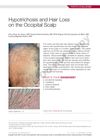
 A baby girl has a hair disorder called monilethrix, causing fragile hair that may improve over time.
 December 2022 in “International Journal of Biomedicine”
 Androgens may worsen COVID-19 and hair loss could indicate the disease's severity.
Rapid weight loss can cause temporary hair loss, but hair usually grows back.
 7 citations
,
September 2014 in “European Journal of Dermatology”
7 citations
,
September 2014 in “European Journal of Dermatology” Thicker hair grows faster; hair loss patients have slower growth.
 November 2014 in “Prescriber”
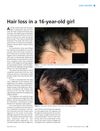
 The 16-year-old girl with hair loss was successfully treated for alopecia areata, leading to significant hair regrowth.
 11 citations
,
November 2015 in “Skin Research and Technology”
11 citations
,
November 2015 in “Skin Research and Technology” Women's hair grows faster and thicker than men's, but hair growth slows for both genders with pattern hair loss.
 18 citations
,
November 2012 in “Australasian Journal of Dermatology”
18 citations
,
November 2012 in “Australasian Journal of Dermatology” A 66-year-old man with a rare case of male frontal fibrosing alopecia did not regrow hair despite treatment.
 2 citations
,
January 2020 in “Skin appendage disorders”
2 citations
,
January 2020 in “Skin appendage disorders” Early onset, severe types, nail changes, family history, and body hair loss worsen alopecia areata prognosis; sticking to treatment helps.
1 citations
,
May 2022 in “Journal of Drugs in Dermatology” Low-dose naltrexone and platelet-rich plasma can regrow hair in lichen planopilaris.
1 citations
,
January 2020 in “Bioscientia medicina” Female pattern hair loss is common, worsens with age, and requires long-term treatment to manage.
September 2013 in “Canadian Medical Association Journal” Alopecia areata causes sudden hair loss, often resolves within a year, but can recur.