 August 2021 in “Journal of Investigative Dermatology”
 Stress causes hair loss by making the body produce cortisol, which stops hair cells from growing.
 April 2019 in “Sohag Medical Journal”
 Androgenetic alopecia is the most common cause of hair loss at Sohag University Hospital's hair clinic.
 January 2017 in “International journal of clinical & experimental dermatology”
 Eating a balanced diet with vitamins, micronutrients, and antioxidants is important for hair health and can help with hair loss.
 February 2022 in “Journal of Cosmetic Dermatology”
 Women with pattern hair loss may have more stress in their bodies due to a lack of NRF2, a protein. Eating healthy and losing weight could help reduce this stress and improve hair loss. NRF2 boosters might also help treat this type of hair loss.
 108 citations
,
July 2004 in “American Journal of Pathology”
108 citations
,
July 2004 in “American Journal of Pathology” Stress increases a factor in mice that leads to hair loss, and blocking this factor may prevent it.
 17 citations
,
May 2018 in “Journal of Cosmetic Dermatology”
17 citations
,
May 2018 in “Journal of Cosmetic Dermatology” Most women in the study lost hair due to chronic shedding, with stress and nutrient deficiencies being common factors.
 4 citations
,
May 2021 in “Dermatologic Clinics”
4 citations
,
May 2021 in “Dermatologic Clinics” The conclusion is that hair loss in women is caused by a mix of hormonal, environmental, and genetic factors, and treatments should target these various causes.
 3 citations
,
May 2021 in “Dermatologic Clinics”
3 citations
,
May 2021 in “Dermatologic Clinics” The document concludes that more research is needed to understand hair loss in men and to find new treatments.
 February 2025 in “Clinical Cosmetic and Investigational Dermatology”
 Certain blood metabolites are linked to female pattern hair loss, with some increasing risk and others offering protection.
 January 2025 in “Majmaah Journal of Health Sciences”
 Nearly 70% of postmenopausal women in Saudi Arabia experience hair loss, often linked to early menopause, chronic diseases, family history, and stress.
 July 2023 in “Dermatology practical & conceptual”
 Women with Female Pattern Hair Loss may experience more stress, anxiety, and depression, and have lower levels of BDNF, which could predict the psychological impact.
Activating certain cells in hair follicles can prevent hair loss caused by cancer treatments.
December 2021 in “Egyptian Journal of Dermatology and Venereology” Oxidative stress may worsen female pattern hair loss and could help track the disease and treatment.
104 citations
,
January 2023 in “Journal of Clinical Medicine” A holistic approach is needed to effectively address hair loss by understanding and influencing the hair growth cycle.
 21 citations
,
October 2009 in “Dermatology”
21 citations
,
October 2009 in “Dermatology” Men with male pattern hair loss have different levels of certain hormones compared to men without hair loss.
 February 2026 in “Psychiatria”
 Stress and emotional suppression can cause hair loss, so addressing both mental and physical health is important.
 February 2026 in “Clinical Cosmetic and Investigational Dermatology”
 Female pattern hair loss is linked to genetics, family history, and lifestyle factors.
 February 2024 in “Biomedicines”
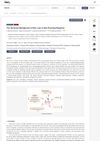
 Hormones like androgens, estrogen, thyroid hormones, and stress hormones can contribute to hair loss, and treatments target these hormonal imbalances.
20 citations
,
November 2017 in “PubMed” A new supplement may treat hair loss by targeting multiple causes like inflammation and stress.
February 2026 in “Journal of Korea Society of Ingrielogy” PDO threads might help with hair loss, but more research is needed.
 May 2026 in “Russian Journal of Skin and Venereal Diseases”
 Low ferritin and vitamin D levels, past infections, stress, and weight changes can trigger hair loss in women.
 July 2025 in “International Journal of Pharmaceutical Sciences Review and Research”
 Balanced selenium intake from wheat is crucial for preventing hair loss.
 375 citations
,
July 2006 in “Journal of Investigative Dermatology”
375 citations
,
July 2006 in “Journal of Investigative Dermatology” Stress can worsen skin and hair conditions by affecting the skin's immune response and hormone levels.
 7 citations
,
February 2006 in “Psychological Reports”
7 citations
,
February 2006 in “Psychological Reports” Hair loss discovery causes stress; talking to dermatologists helps.
 3 citations
,
June 2022 in “Journal of The American Academy of Dermatology”
3 citations
,
June 2022 in “Journal of The American Academy of Dermatology” During the COVID-19 pandemic, more people were diagnosed with stress-related skin conditions like acne and temporary hair loss.
Higher cannabis exposure may lead to increased hair loss.
 January 2026 in “Ankara Medical Journal”
 Pregnancy-related stress may cause hair loss in women in their third trimester.
Higher cannabis use may be linked to more severe hair loss.
Higher cannabis exposure may worsen hair loss.
 October 2025 in “Brazilian Journal of Hair Health”
 Hair loss from weight-loss treatments is usually temporary and reversible.