 July 2018 in “Elsevier eBooks”
 The most common cause of hair loss in children is tinea capitis, followed by alopecia areata and telogen effluvium.
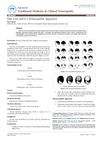 January 2017 in “Journal of traditional medicine & clinical naturopathy”
 Combining trichology and homeopathy is effective for diagnosing and treating hair loss.
January 2015 in “Rawal Medical Journal” Telogen effluvium is the main cause of hair loss in women in Karak, followed by androgenetic alopecia.
 January 2012 in “Elsevier eBooks”
 Hair loss can cause emotional and social issues, and various treatments, including medication, surgery, and psychological support, are needed.
Botulinum toxin A helped stop hair loss and grow new hair in mice.
Hair can naturally regain color after greying, and this change may be linked to stress levels.
May 2025 in “International Journal of Research Publication and Reviews” The Unani System of Medicine offers treatments for managing diffuse hair loss caused by stress and nutritional deficiencies.
A woman had temporary hair loss due to stress from a spinal cord injury.
 102 citations
,
January 2003 in “Dermatology”
102 citations
,
January 2003 in “Dermatology” Smoking may contribute to hair loss in men.
 30 citations
,
September 2003 in “Experimental Dermatology”
30 citations
,
September 2003 in “Experimental Dermatology” Minoxidil helps prevent stress-caused hair loss in mice.
 19 citations
,
January 2015 in “Journal of Clinical and Diagnostic Research”
19 citations
,
January 2015 in “Journal of Clinical and Diagnostic Research” The main causes of diffuse hair loss in women are telogen effluvium and androgenetic alopecia, often related to stress and iron deficiency.
3 citations
,
October 2021 in “Indian Journal of Plastic Surgery” Pattern hair loss is mainly caused by genetics and hormones, with limited effective treatments available.
 3 citations
,
October 1982 in “Postgraduate Medicine”
3 citations
,
October 1982 in “Postgraduate Medicine” Most types of hair loss can regrow naturally, but there are no effective cures for male pattern or age-related hair loss, and only limited options for females.
 June 2026 in “International Journal of Molecular Sciences”
 Black Ginseng Concentrate may help treat hair loss by improving cell function and reducing stress.
January 2026 in “Cutaneous and Ocular Toxicology” Yangxuebushen Decoction helps prevent hair loss from chemotherapy.
 August 2025 in “Journal of Investigative Dermatology”
 Elevated luteinizing hormone contributes to female-pattern hair loss, and blocking certain channels may help prevent it.
Perilla seed extract may help prevent hair loss better than some standard treatments.
 March 2025 in “International Journal of Molecular Sciences”
 Veratric Acid may help promote hair growth and reduce hair loss.
Germinated hemp seed extracts help prevent hair loss and promote hair growth.
 20 citations
,
January 2015 in “Current problems in dermatology”
20 citations
,
January 2015 in “Current problems in dermatology” Graying hair happens due to aging and might be delayed by new treatments.
 76 citations
,
March 2005 in “Journal of Molecular Medicine”
76 citations
,
March 2005 in “Journal of Molecular Medicine” Certain mice without specific receptors or mast cells don't lose hair from stress.
 12 citations
,
April 2020 in “British Journal of Dermatology”
12 citations
,
April 2020 in “British Journal of Dermatology” Caffeine may help reduce stress-induced hair loss.
 125 citations
,
September 2001 in “The FASEB Journal”
125 citations
,
September 2001 in “The FASEB Journal” Stress can cause hair loss by negatively affecting hair follicles and this effect might be reversed with specific treatments.
61 citations
,
March 2003 in “American Journal Of Pathology” Stress can cause hair loss and skin issues by affecting hair growth cycles.
8 citations
,
November 2020 in “Journal of Cosmetic Dermatology” The ingredients may help prevent hair loss and aging by boosting hair growth signals and reducing stress and hormone effects.
 1 citations
,
September 2013 in “Elsevier eBooks”
1 citations
,
September 2013 in “Elsevier eBooks” Hair ages and thins due to factors like inflammation and stress, and treatments like antioxidants and hormones might improve hair health.
 June 2025 in “Universal library of medical and health sciences.”
 External factors like pollution, stress, and poor nutrition can negatively affect hair growth.
Exosome therapy successfully regrew and restored natural hair color in a man with stress-related hair loss.
 September 2024 in “Journal Of Social Sciences And Humanites”
 A combined approach of medical treatments, natural remedies, diet, and stress management is best for hair regrowth in Cambodia.
 July 2022 in “Journal of Investigative Dermatology”
 Substance P may contribute to hair loss by increasing oxidative stress and mitochondrial activity in hair follicles.