 September 2023 in “Nature Communications”
 Immune cells are essential for skin regeneration using biomaterial scaffolds.
 July 2023 in “International Journal of Cosmetic Science”
 Biopolymers are increasingly used in cosmetics for their non-toxicity and skin benefits, with future biotech advancements likely to expand their applications.
 June 2023 in “Frontiers in Bioengineering and Biotechnology”
 The conclusion is that accurately replicating the complexity of the extracellular matrix in the lab is crucial for creating realistic human tissue models.
 January 2023 in “PARIPEX INDIAN JOURNAL OF RESEARCH”
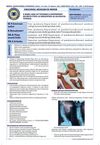
 Vitamin D Dependent Rickets Type-2A can cause complete hair loss and bone growth issues in infants.
July 2021 in “Plastic and reconstructive surgery. Global open” Verteporfin treatment in mice led to complete skin healing without scarring.
June 2021 in “Faculty Opinions – Post-Publication Peer Review of the Biomedical Literature” The skin basement membrane is specialized for different tissue interactions, important for hair growth and attachment.
 April 2021 in “Journal of Investigative Dermatology”
 Bacteria can help skin regenerate through a process called IL-1β signaling.
 March 2021 in “Research Square (Research Square)”
 The new 3D sponge-like material helps cells grow and heals wounds effectively.
 September 2019 in “Journal of Investigative Dermatology”
 Mouse skin fibroblasts vary in function and adaptability based on their environment.
March 2019 in “Digital Access to Scholarship at Harvard (DASH) (Harvard University)” Soy-based wound dressings can speed up healing and tissue regeneration.
January 2019 in “Elsevier eBooks” Skin aging helps us understand overall aging.
September 2018 in “Digital Access to Scholarship at Harvard (DASH) (Harvard University)” FN nanofiber dressings improve wound healing and restore natural skin structure.
September 2017 in “Journal of Investigative Dermatology” Activating the hexosamine pathway can improve skin health and increase hair follicle stem cells.
September 2017 in “The journal of investigative dermatology/Journal of investigative dermatology” The hexosamine pathway helps maintain healthy skin by affecting the skin's structure and possibly increasing hair follicle stem cells.
 April 2017 in “Plastic and reconstructive surgery. Global open”
 Fetal scalp cells have more regenerative genes than adult cells, and decellularized muscle matrix is better for muscle repair than commercial alternatives.
December 2016 in “Experimental and Molecular Pathology” Mus pahari mice have fragile skin due to abnormal collagen and elastin.
 August 2016 in “The journal of investigative dermatology/Journal of investigative dermatology”
 The hexosamine pathway helps protect skin cells from stress and may improve skin and hair health.
 December 2015 in “Focus on catalysts”
 Pomiferin may improve skin and scalp health by boosting important protein expression.
Nipple area expansion in mice needs both pregnancy hormones and mechanical strain.
New bio-ink can print complex tissues and organs.
 January 2014 in “Pathology”
 The document concludes that understanding nail anatomy is key for diagnosing nail diseases, early signs of nail melanoma may allow for less aggressive treatment, and specific genetic mutations are important in thyroid cancer prognosis and treatment.
 January 2012 in “Elsevier eBooks”
 New treatments for skin and hair repair show promise, but further improvements are needed.
Dermal papilla cells can help form hair-like structures in lab-grown skin cells.
January 2003 in “Jiefangjun yixue zazhi” Growth factors in skin increase with age, aiding development and healing.
January 1993 in “Di-Si Junyi Daxue xuebao” Type III collagen increases in recovering guinea pig skin, aiding tissue stability.
January 1981 in “Purdue e-Pubs (Purdue University)” Pig skin is similar to human skin, with no major changes as they age.
June 1967 in “Journal of Cellular Physiology” The 3D hair follicle model improves understanding of hair growth and drug testing.
May 2020 in “Archives of Medical Science” Men with androgenetic alopecia have lower levels of certain proteins and more cell damage.
June 2025 in “British Journal of Dermatology” Melanocytic matricoma can look like skin cancer but is usually harmless; surgery and follow-up are advised.
Tissue engineering advancements are improving skin substitutes for better burn treatment.