 1 citations
,
January 2022 in “Stem cell biology and regenerative medicine”
1 citations
,
January 2022 in “Stem cell biology and regenerative medicine” New methods to test hair growth treatments have been developed.
 81 citations
,
February 2019 in “Experimental & Molecular Medicine”
81 citations
,
February 2019 in “Experimental & Molecular Medicine” PAK4 is crucial in cancer progression, brain development, and could be a therapeutic target, especially through the PAK4-CREB axis.
 73 citations
,
July 2016 in “Cosmetics”
73 citations
,
July 2016 in “Cosmetics” Mushrooms have beneficial properties for skin and hair care products and have great potential for future cosmetic use.
 69 citations
,
April 1998 in “Journal of The American Academy of Dermatology”
69 citations
,
April 1998 in “Journal of The American Academy of Dermatology” Single hair grafting is effective for treating small, localized patches of vitiligo.
 63 citations
,
May 2017 in “American Journal of Clinical Dermatology”
63 citations
,
May 2017 in “American Journal of Clinical Dermatology” People with alopecia areata often have lower levels of vitamin D, zinc, and folate, but more research is needed to understand if supplements can help treat it.
 49 citations
,
April 2000 in “Journal of The American Academy of Dermatology”
49 citations
,
April 2000 in “Journal of The American Academy of Dermatology” Despite progress in treatment, the exact cause of Alopecia areata is still unknown.
37 citations
,
July 2002 in “Archives of Pathology & Laboratory Medicine” Tyrosinase and gp100 proteins can help diagnose and treat melanoma.
34 citations
,
September 1997 in “Acta Dermato Venereologica” RXR agonists may promote hair growth in humans.
 33 citations
,
December 2005 in “Archives of dermatology”
33 citations
,
December 2005 in “Archives of dermatology” Alefacept showed some effectiveness for alopecia areata but needs more research.
 27 citations
,
July 2018 in “Journal of optometry”
27 citations
,
July 2018 in “Journal of optometry” Eyelashes protect the eyes, but more research is needed to understand how.
 26 citations
,
June 2019 in “The journal of investigative dermatology/Journal of investigative dermatology”
26 citations
,
June 2019 in “The journal of investigative dermatology/Journal of investigative dermatology” Regenerative therapies show promise for treating vitiligo and alopecia areata.
 26 citations
,
June 2012 in “The Journal of Obstetrics and Gynecology of India”
26 citations
,
June 2012 in “The Journal of Obstetrics and Gynecology of India” Most skin changes during pregnancy are harmless and temporary, but some can risk the fetus and need careful treatment.
25 citations
,
August 2015 in “Molecules” Mimosine dipeptides are promising for treating hyperpigmentation and inflammation.
 23 citations
,
April 2002 in “Journal of the American Academy of Dermatology”
23 citations
,
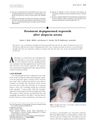
April 2002 in “Journal of the American Academy of Dermatology” Depigmented hair regrowth after alopecia areata can be permanent.
20 citations
,
January 2016 in “International journal of trichology” Young Indians with premature graying often have lower levels of certain nutrients and unhealthy lifestyles.
15 citations
,
April 2011 in “The journal of investigative dermatology/Journal of investigative dermatology” A3B5 can reduce skin pigmentation and slow melanoma growth.
12 citations
,
January 2021 in “Springer eBooks” 10 citations
,
May 2023 in “iScience” Sox9 is crucial for hair follicle stem cells to become melanocytes instead of glial cells.
 6 citations
,
November 2014 in “The journal of investigative dermatology/Journal of investigative dermatology”
6 citations
,
November 2014 in “The journal of investigative dermatology/Journal of investigative dermatology” Stephen Rothman made important discoveries in dermatology, including the use of PABA in sunscreens, but never profited from his work.
 3 citations
,
March 2014 in “TURKDERM”
3 citations
,
March 2014 in “TURKDERM” Alopecia areata is an autoimmune disorder causing hair loss and can impact mental health.
2 citations
,
November 2024 in “JAAD reviews.” Certain drugs can change hair color, either lightening or darkening it.
 2 citations
,
September 2022 in “Bioscientia medicina”
2 citations
,
September 2022 in “Bioscientia medicina” Topical vitamin D is effective in treating vitiligo with few side effects.
2 citations
,
May 2019 in “International Journal of Molecular Sciences” Tranexamic acid turns white hair brown in certain mice by affecting specific proteins.
 2 citations
,
November 1998 in “Journal of The European Academy of Dermatology and Venereology”
2 citations
,
November 1998 in “Journal of The European Academy of Dermatology and Venereology” Prednisone reduces organ mast cell infiltration but does not alter the abnormal appearance of mast cells in systemic mastocytosis.
 1 citations
,
April 2023 in “African Scientific Reports”
1 citations
,
April 2023 in “African Scientific Reports” Natural compounds can lighten skin by reducing melanin.
 1 citations
,
April 2023 in “Journal of Animal Science and Biotechnology”
1 citations
,
April 2023 in “Journal of Animal Science and Biotechnology” Melatonin helps grow more secondary hair follicles in young goats, improving cashmere production.
 1 citations
,
January 2021 in “Journal of Dermatology and Dermatologic Surgery”
1 citations
,
January 2021 in “Journal of Dermatology and Dermatologic Surgery” Taking Vitamin D supplements may increase the risk of skin darkening after laser hair removal.
 1 citations
,
January 2015 in “Journal of Pigmentary Disorders”
1 citations
,
January 2015 in “Journal of Pigmentary Disorders” Melasma is a skin condition linked to female hormones, genetics, UV exposure, and certain medications, but not to pituitary, adrenal, or thyroid diseases.
 June 2026 in “Dermatology and Therapy”
 Combining multiple ingredients is the most effective treatment for hyperpigmentation.
October 2025 in “Molecular Genetics and Genomics”