10 citations
,
July 2022 in “Journal of Cosmetic Dermatology” Medicago sativa extract may help treat vitiligo by enhancing skin and hair pigmentation.
 2 citations
,
September 2020 in “International journal of radiology & radiation therapy”
2 citations
,
September 2020 in “International journal of radiology & radiation therapy” Radiotherapy can cause rare changes in hair color, which should be discussed with patients.
 April 2025 in “Pharmacognosy Magazine”
 Compound Baqia Danshen Liniment may effectively treat vitiligo by improving skin and hair pigmentation and reducing inflammation.
 34 citations
,
January 2018 in “International Journal of Dermatology”
34 citations
,
January 2018 in “International Journal of Dermatology” Scalp cooling is the most effective FDA-approved method to prevent chemotherapy-induced hair loss, but more research is needed for other treatments.
30 citations
,
January 2005 in “Elsevier eBooks” Vitamin D affects skin and hair by influencing cell behavior and melanin production.
 December 2025 in “The Journal of Basic and Applied Zoology”
 Red Sokoto goat fetuses develop firmer, pigmented skin with hair follicles as they grow.
63 citations
,
February 2017 in “ACS biomaterials science & engineering” Polydopamine is a safe, effective, and permanent hair dye that turns gray hair black in one hour.
April 2017 in “Journal of Investigative Dermatology” Reduced Stx17 expression may contribute to Alopecia Areata.
December 1951 in “Journal of the American Medical Association” Propylthiouracil treatment can cause hair loss.
11 citations
,
August 1987 in “Archives of Dermatology” Langerhans' cells are not involved in hair depigmentation in these mice.
 10 citations
,
February 2006 in “Archives of dermatology”
10 citations
,
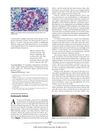
February 2006 in “Archives of dermatology” A man's chest hair turned white after a shingles infection, possibly due to virus-damaged pigment cells.
8 citations
,
August 2017 in “Skin appendage disorders” Red dots on the upper chest may be an early sign of certain types of hair loss.
4 citations
,
November 2020 in “Journal of Craniofacial Surgery” Scalp Micropigmentation is an effective and safe option for hair restoration and camouflaging scalp scars.
1 citations
,
February 2014 in “Italian journal of medicine” An 80-year-old woman with Cronkhite-Canada syndrome had multiple polyps and symptoms like diarrhea, hair loss, nail issues, and dark skin.
 April 2003 in “Journal of Cutaneous Medicine and Surgery”
 Lasers are effective for some skin conditions but can cause side effects like scarring and pigment changes; careful selection is important, and botulinum toxin type A is successful in reducing sweat in palmar hyperhidrosis.
 April 2021 in “Sohag Medical Journal”
 Superficial cryotherapy is effective and safe for treating alopecia areata, especially eyebrow hair loss.
 January 2016 in “Journal of Investigative Dermatology”
 Some cells may slow melanoma growth, a protein could affect skin pigmentation, a gene-silencing method might treat hair defects, skin bacteria changes likely result from eczema, and a defensin protein could help treat multiple sclerosis.
 109 citations
,
October 2007 in “Journal of pineal research”
109 citations
,
October 2007 in “Journal of pineal research” Melatonin helps regulate hair growth and protects the hair follicle from stress.
 98 citations
,
July 2014 in “Trends in Molecular Medicine”
98 citations
,
July 2014 in “Trends in Molecular Medicine” Hair follicles are hormone-sensitive and involved in growth and other functions, with potential for new treatments, but more research is needed.
 58 citations
,
February 2016 in “Scientific reports”
58 citations
,
February 2016 in “Scientific reports” Blocking BACE1 and BACE2 enzymes causes hair color loss in mice.
 42 citations
,
March 2008 in “Molecular and Cellular Endocrinology”
42 citations
,
March 2008 in “Molecular and Cellular Endocrinology” Hormones and neuroendocrine factors control hair growth and color, and more research could lead to new hair treatment options.
38 citations
,
June 2005 in “Acta Biochimica Polonica” Splenic eumelanin in C57BL/6 mice is different from hair eumelanin.
24 citations
,
October 2008 in “PubMed” Excessive sun exposure damages hair, causing protein loss and color changes.
 13 citations
,
January 2010 in “Advances in Biochemical Engineering / Biotechnology”
13 citations
,
January 2010 in “Advances in Biochemical Engineering / Biotechnology” Understanding hair biology is key to developing better treatments for hair and scalp issues.
4 citations
,
March 2024 in “Journal of Investigative Dermatology” SPRY1 deficiency in skin cells causes stem cells to move to the skin surface, leading to increased pigmentation.
4 citations
,
October 2019 in “Skin Appendage Disorders” Gefitinib can cause hair and eyebrow darkening.
April 2023 in “Pharmacognosy Magazine” Cerasus serrulata flower extracts can help turn grey hair black again.
 January 1990 in “Springer eBooks”
 Some chemicals can permanently or temporarily remove color from skin and hair, which can be distressing and is not well-regulated in cosmetics.

The document concludes that understanding hair's composition and the effects of treatments can lead to better hair care products.
 7 citations
,
January 2012 in “International Journal of Trichology”
7 citations
,
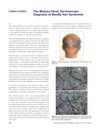
January 2012 in “International Journal of Trichology” A man with Woolly Hair Syndrome had very curly, fragile hair, and doctors used a special scalp examination to diagnose him without invasive tests.