 2 citations
,
October 2022 in “Journal of Biomedical Science”
2 citations
,
October 2022 in “Journal of Biomedical Science” Stem cells and their secretions could potentially treat stress-induced hair loss, but more human trials are needed.
May 2026 in “Journal of Dermatological Science” Collagen XVIIα1 decline causes skin and hair aging.
January 2026 in “Ethnobiology”  December 2025 in “Antioxidants”
 Fermented Yeast Complex Extract helps regrow hair by reducing oxidative stress and inflammation.
September 2025 in “Lasers in Medical Science”  July 2024 in “Clinical Cosmetic and Investigational Dermatology”
 Non-drug therapies show promise for hair regrowth but need more research.
6 citations
,
September 2017 1 citations
,
April 2024 in “Journal of Dermatological Science” April 2019 in “The journal of investigative dermatology/Journal of investigative dermatology” Disrupting the Tsc2 gene in certain cells leads to thicker skin, larger hair, and changes in hair growth signaling, which can be partly reversed with specific treatment.
30 citations
,
October 2010 in “Biochemical and biophysical research communications” The Gsdma3 gene is essential for normal hair development in mice.
 1 citations
,
May 2021 in “Cell Host & Microbe”
1 citations
,
May 2021 in “Cell Host & Microbe” Skin bacteria, specifically Streptococcus and Staphylococcus, help in hair regrowth after skin injury and speed up wound healing.
 55 citations
,
April 2018 in “Advanced Healthcare Materials”
55 citations
,
April 2018 in “Advanced Healthcare Materials” Hydrogels could lead to better treatments for wound healing without scars.
 33 citations
,
July 1992 in “Journal of Investigative Dermatology”
33 citations
,
July 1992 in “Journal of Investigative Dermatology” Minoxidil doesn't affect perifollicular lymphoid infiltration in alopecia areata patients.
 29 citations
,
January 2017 in “Journal of Investigative Dermatology”
29 citations
,
January 2017 in “Journal of Investigative Dermatology” The Msi2 protein helps keep hair follicle stem cells inactive, controlling hair growth and regeneration.
 15 citations
,
October 2020 in “Journal of Investigative Dermatology Symposium Proceedings”
15 citations
,
October 2020 in “Journal of Investigative Dermatology Symposium Proceedings” Platelet-Rich Plasma (PRP) could potentially help regrow hair in people with Alopecia Areata, but more research is needed to confirm its effectiveness.
 4 citations
,
September 2017 in “Skin appendage disorders”
4 citations
,
September 2017 in “Skin appendage disorders” The dog with an Alopecia Areata-like condition showed signs of an autoimmune disease and partially regrew hair without treatment, suggesting dogs could be models for human AA research.
 September 2025 in “bioRxiv (Cold Spring Harbor Laboratory)”
 Hair loss in males and females is influenced by immune cell interactions, with potential treatments identified.
 October 2023 in “Biomaterials”
 Nanotechnology could improve hair regrowth but faces challenges like complexity and safety concerns.
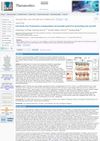 January 2023 in “Theranostics”
 A patch with curcumin-zinc can improve hair growth and health by delivering beneficial particles to the skin, increasing hair follicles, and reversing effects of a hair loss hormone.
 7 citations
,
January 2020 in “Scientific Reports”
7 citations
,
January 2020 in “Scientific Reports” Rabbit skin analysis showed changes in hair growth and identified miRNAs that may regulate hair follicle development.
 80 citations
,
October 1983 in “BMJ”
80 citations
,
October 1983 in “BMJ” Minoxidil helps hair regrowth in alopecia patients, with 16 having good results and no side effects.
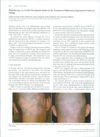 10 citations
,
January 2010 in “Acta dermato-venereologica”
10 citations
,
January 2010 in “Acta dermato-venereologica” Light therapy can effectively treat vitiligo and hair loss caused by a specific medication.
5 citations
,
May 2024 in “Developmental Cell” Lower GATA3 levels in mice help hair regrow by changing certain immune cells.
 February 2024 in “Current Medicinal Chemistry”
 Minoxidil nanocrystals improved hair growth in mice more effectively and safely than regular Minoxidil.
 August 2019 in “Journal of The American Academy of Dermatology”
 5% minoxidil foam effectively regrows hair in women, with postmenopausal women seeing the most improvement.
 January 2015 in “Our Dermatology Online”
 Intralesional triamcinolone is the most effective treatment for hair regrowth in alopecia areata patients.
 January 2015 in “Przegla̧d dermatologiczny”
 Intralesional triamcinolone is the most effective treatment for alopecia areata, followed by excimer light therapy, and then topical minoxidil. The scalp responds better to treatment than the beard area.
 20 citations
,
December 2019 in “The journal of allergy and clinical immunology/Journal of allergy and clinical immunology/The journal of allergy and clinical immunology”
20 citations
,
December 2019 in “The journal of allergy and clinical immunology/Journal of allergy and clinical immunology/The journal of allergy and clinical immunology” Blocking IL-12/IL-23 does not help with hair loss in alopecia areata for mice or humans.
 5 citations
,
July 2019 in “Atlas of the Oral and Maxillofacial Surgery Clinics”
5 citations
,
July 2019 in “Atlas of the Oral and Maxillofacial Surgery Clinics” Tissue expansion for head and neck reconstruction has good blood supply and doesn't need capsule removal, but expect temporary hair loss with normal growth resuming after 6-8 months.
 78 citations
,
April 1984 in “Archives of Dermatology”
78 citations
,
April 1984 in “Archives of Dermatology” Minoxidil can help regrow hair in alopecia areata patients.