 16 citations
,
November 2016 in “Journal of Cosmetic and Laser Therapy”
16 citations
,
November 2016 in “Journal of Cosmetic and Laser Therapy” Laser and light therapies, especially the 308 nm excimer laser, are effective and safe for treating alopecia areata, but more research is needed.
8 citations
,
November 2024 in “EMBO Molecular Medicine” Targeting JAK-STAT1 can reduce inflammation and promote hair growth in conditions linked to EGFR deficiency.
3 citations
,
August 2021 in “Veterinary dermatology” New treatments for hair loss are emerging as we better understand hair growth and its genetic causes.
 June 2025 in “IntechOpen eBooks”
 Exosomes may improve skin and hair treatments but need more research for safe use.
January 2024 in “Physiotherapia Croatica” New treatments like JAK inhibitors offer hope for hair regrowth in severe alopecia areata.
 March 2026 in “Zenodo (CERN European Organization for Nuclear Research)”
 The herbal hair serum effectively fights microbes and promotes hair growth.
 March 2026 in “Zenodo (CERN European Organization for Nuclear Research)”
 The herbal hair serum effectively promotes hair growth and fights microbes.
November 2025 in “JOURNAL OF EXPERIMENTAL ZOOLOGY INDIA” Thymol is a promising natural treatment for hair regrowth and inflammation in alopecia areata, performing better than betamethasone.
 May 2025 in “Journal of Nanobiotechnology”
 The gel improves hair regrowth and reduces irritation in alopecia areata treatment.
 23 citations
,
November 2017 in “Stem cell investigation”
23 citations
,
November 2017 in “Stem cell investigation” Platelet lysate is more effective than activated autologous platelet-rich plasma or saline in improving hair growth after hair restoration surgery.
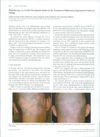 10 citations
,
January 2010 in “Acta dermato-venereologica”
10 citations
,
January 2010 in “Acta dermato-venereologica” Light therapy can effectively treat vitiligo and hair loss caused by a specific medication.
 5 citations
,
January 2021 in “Journal of Cosmetic Dermatology”
5 citations
,
January 2021 in “Journal of Cosmetic Dermatology” Topical cetirizine 1% promotes hair growth in male androgenetic alopecia patients.
 September 2025 in “PubMed”
 Mechanical stimulation and new therapies show promise for hair regrowth.
 August 2025 in “Journal of Cosmetic Dermatology”
 Light-based therapy can help regrow hair in different types of hair loss, but more research is needed.
Cyclosporine is more effective than betamethasone for treating alopecia areata, despite mild side effects.
 March 2024 in “Nevşehir Hacı Bektaş Veli Üniversitesi SBE Dergisi”
 Art therapy may help reduce anxiety and depression in people with Alopecia Areata.
 May 2017 in “IOSR journal of dental and medical sciences”
 Both Betasalic ointment and 5% minoxidil are effective and safe for treating Alopecia Areata.
10 citations
,
February 2022 in “Journal of cosmetic dermatology” Exosomes from fat-derived stem cells may help regrow hair.
 10 citations
,
December 2020 in “Experimental and Molecular Pathology”
10 citations
,
December 2020 in “Experimental and Molecular Pathology” miR-133b promotes hair growth and could be a potential treatment for hair loss.
4 citations
,
December 2022 in “Al-mağallaẗ al-ʻirāqiyyaẗ li-l-ʻulūm al-bayṭariyyaẗ/Iraqi journal of veterinary sciences” Tioconazole cream is highly effective and easy to use for treating sheep dermatophytosis.
 4 citations
,
July 2014 in “Journal of Investigative Dermatology”
4 citations
,
July 2014 in “Journal of Investigative Dermatology” Old people have less hair because their hair follicles don't regenerate as well, not because of fewer stem cells, and a protein called follistatin might help reactivate hair growth.
 1 citations
,
July 2023 in “Cytotherapy”
1 citations
,
July 2023 in “Cytotherapy” Magnetic nanovesicles from stem cells can improve hair growth by staying in the skin longer.
June 2026 in “Integrative Medicine Research” Connarus semidecandrus extract may safely help regrow hair in androgenetic alopecia.
January 2026 in “International Journal of Medical and All Body Health Research” PRP is safer and has a lower relapse rate than TAC for treating alopecia areata.
 October 2025 in “Journal of Veterinary Clinics”
 A tailored treatment improved a Pomeranian dog's skin and hair issues caused by a vaccine.
September 2025 in “Pharmaceutics” Quercetin nanocrystal gel shows promise for hair regrowth in androgenetic alopecia.
 November 2024 in “Journal of the American Academy of Dermatology”
 Combining PRP, microneedling, and minoxidil may improve hair regrowth in severe hair loss cases.
Baricitinib therapy helped many patients with severe alopecia regrow hair after 52 weeks.
January 2021 in “Global Dermatology” Cellcurex™ treatment increased hair growth and thickness but caused pain and bleeding.
M-CSF-stimulated myeloid cells can turn into skin cells and help heal wounds and regrow hair.