 September 2013 in “中国医师杂志”
 Human scalp hair follicles grow well in Williams E medium, which may help with hair transplants.
 January 2013 in “kerbala journal of pharmaceutical sciences”
 Low zinc levels are strongly linked to hair loss in adult premenopausal women.
January 2013 in “Chinese Journal of Dermatovenereology of Integrated Traditional and Western Medicine” YiFa compound serum may help treat hair loss by boosting hair follicle stem cell activity.
 January 2012 in “Iraqi postgraduate Medical Journal”
 Serum ferritin is a better indicator than hemoglobin for detecting low iron in women with chronic hair loss.
Black sesame oil promotes hair growth and may prevent hair loss.
 January 2009 in “International Journal of Trichology”
 Dr. Shyam B Verma encourages more scientific research on hair disorders and criticizes the unscientific hair care market in India.
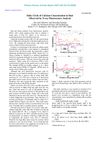
Hair can show daily calcium changes, linked to body calcium levels and influenced by hormones, and can help assess calcium metabolism issues.
 January 2004 in “Dermatologic Surgery”
 Storing hair follicles in a special buffer with certain inhibitors can increase hair growth and improve transplant results.
Nutritional deficiencies can cause hair loss, but it can be reversed with a normal diet and less stress.
 November 1982 in “Inpharma”
 Spironolactone reduces hair growth in women with unexplained excessive hairiness.
Malnourished people have weaker hair that is easier to pluck.
April 1980 in “Archives of Dermatology” Zinc deficiency didn't cause visible hair changes in the patient.
 December 2025 in “Cureus”
 Low serum ferritin is linked to hair loss in women.
Cellcurin serum significantly increased hair growth in people with androgenetic alopecia.
December 2021 in “International Journal of Research in Dermatology” Female pattern hair loss in Saudi women is linked to low iron and vitamin D levels.
 October 2020 in “Clinical and Experimental Dermatology”
 Hair loss improved after removing pituitary tumor.
 November 2025 in “Zenodo (CERN European Organization for Nuclear Research)”
 Natural hair oils are beneficial for hair care, but future use must balance effectiveness, safety, and sustainability.
 November 2025 in “Zenodo (CERN European Organization for Nuclear Research)”
 Natural hair oils are effective for nourishing and protecting hair, with future focus on safety and sustainability.
89 citations
,
December 1998 in “The Journal of Steroid Biochemistry and Molecular Biology” Human hair can be used to measure reproductive hormones.
 18 citations
,
May 1992 in “American Journal of Biological Anthropology”
18 citations
,
May 1992 in “American Journal of Biological Anthropology” Higher androgen levels do not cause baldness in men.
4 citations
,
March 2019 in “IP Indian Journal of Clinical and Experimental Dermatology” Low iron levels may be linked to hair loss in non-menopausal women.
192 citations
,
January 1976 in “The Journal of Clinical Endocrinology & Metabolism” Androgen levels increase with puberty and are linked to sexual hair development.
77 citations
,
September 1983 in “Acta Paediatrica” Dexamethasone effectively normalizes elevated steroid levels in girls with premature adrenarche.
 35 citations
,
January 2013 in “International Journal of Trichology”
35 citations
,
January 2013 in “International Journal of Trichology” Kids with early graying hair often have low levels of calcium, ferritin, and vitamin D3.
30 citations
,
March 1980 in “European Journal of Endocrinology” Adrenal androgens are important for puberty and are influenced by genetics.
20 citations
,
January 2016 in “International journal of trichology” Young Indians with premature graying often have lower levels of certain nutrients and unhealthy lifestyles.
 19 citations
,
January 2015 in “Journal of Clinical and Diagnostic Research”
19 citations
,
January 2015 in “Journal of Clinical and Diagnostic Research” The main causes of diffuse hair loss in women are telogen effluvium and androgenetic alopecia, often related to stress and iron deficiency.
19 citations
,
March 2004 in “The Journal of Clinical Endocrinology & Metabolism” Testosterone and letrozole treatment speeds up puberty in boys with delayed development.
17 citations
,
May 2019 in “Molecules” These temporary hair dyes may be harmful to human health.
17 citations
,
January 2018 in “International Journal of Trichology” Low levels of iron, copper, and calcium may contribute to premature hair graying.