 43 citations
,
July 2020 in “Dermatologic Therapy”
43 citations
,
July 2020 in “Dermatologic Therapy” During the COVID-19 pandemic, a clinic in Turkey saw fewer patients but more cases of certain skin conditions, possibly linked to the virus and stress.
 May 2019 in “Australasian Journal of Dermatology”
 The conclusion is that managing hair loss conditions like FFA and melanoma requires individualized approaches, considering new findings and balancing treatment benefits with potential risks.
 March 2012 in “Journal of The American Academy of Dermatology”
 Hair casts are often mistaken for head lice, scalp pain in hair loss is linked to certain nerve factors, eyelash growth treatment is safe and effective, and nail shedding in children may follow hand-foot-mouth disease.
 2 citations
,
January 2017 in “PubMed”
2 citations
,
January 2017 in “PubMed” Hair casts are harmless but can be mistaken for head lice.
 51 citations
,
January 2014 in “Pediatric Clinics of North America”
51 citations
,
January 2014 in “Pediatric Clinics of North America” The guide explains how to identify and treat children's hair loss, including fungal infections, autoimmune disorders, hairstyle changes, self-correcting conditions, and behavioral therapy for hair-pulling.
 4 citations
,
January 2021 in “Skin appendage disorders”
4 citations
,
January 2021 in “Skin appendage disorders” Hair straightening can damage hair and pose health risks, including exposure to carcinogens and hair loss.
 4 citations
,
March 2019 in “Experimental Biology and Medicine”
4 citations
,
March 2019 in “Experimental Biology and Medicine” Exposure to 50 Hz electromagnetic fields may help mice grow hair faster.
3 citations
,
January 2014 in “Indian dermatology online journal” Hair casts can be mistaken for lice, so correct identification is important.
2 citations
,
October 2018 in “Skin appendage disorders” A boy's hair that was frizzy and hard to comb returned to normal after 9 months, possibly due to genetic factors.
July 2025 in “Bioactive Materials” New engineering methods show promise for regenerating hair follicles using stem cells and advanced technologies.
 February 2024 in “Biomedical materials”
 Scientists created a lab-grown hair follicle model that behaves like real hair and could improve hair loss treatment research.
January 2019 in “Archives of dermatology and skin care” Biomimetic peptides were found to promote hair growth and prolong the growth phase in human hair follicles.
 July 2018 in “Elsevier eBooks”
 The most common cause of hair loss in children is tinea capitis, followed by alopecia areata and telogen effluvium.
 September 2021 in “CRC Press eBooks”
 Alopecia areata incognita causes sudden hair thinning, responds well to steroids, and is more common in those with genetic hair loss conditions.
 21 citations
,
October 2014 in “Actas dermo-sifiliográficas/Actas dermo-sifiliográficas”
21 citations
,
October 2014 in “Actas dermo-sifiliográficas/Actas dermo-sifiliográficas” Hair dyes can change hair color temporarily or permanently but may cause side effects like skin reactions and hair damage.
108 citations
,
October 2003 in “Journal of biological chemistry/The Journal of biological chemistry” Trichohyalin makes hair follicles stronger.
 10 citations
,
August 2012 in “Current Problems in Pediatric and Adolescent Health Care”
10 citations
,
August 2012 in “Current Problems in Pediatric and Adolescent Health Care” Hair changes can indicate systemic diseases or medication effects.
4 citations
,
December 2022 in “Cells” Engineered nanovesicles from fibroblasts may help treat hair loss by promoting hair growth.
4 citations
,
August 2015 in “PloS one” Transplanted whisker follicles caused long hair growth on the spinal cords of mice.
 3 citations
,
May 2008 in “Hair transplant forum international”
3 citations
,
May 2008 in “Hair transplant forum international” Common hair loss disorders may not need stem cell therapy, but could benefit from other treatments like hair cycle control and immune restoration therapy.
2 citations
,
July 2025 in “Frontiers in Veterinary Science” MicroRNAs and AI can improve cashmere goat hair quality and aid in hair disorder diagnosis.
September 2011 in “Daehan miyong hakoeji” Henna orange powder, especially with alkali, protects and colors hair better than oxidizing colorants.
2 citations
,
March 2024 in “Pediatric Dermatology” Two siblings have a rare hair condition caused by a new genetic variant.
 19 citations
,
October 1985 in “British Journal of Dermatology”
19 citations
,
October 1985 in “British Journal of Dermatology” The document concludes that unruly hair can be congenital or acquired, often lacks specific treatments, and can be managed with oils and short hairstyles.
21 citations
,
June 1992 in “Pediatric Dermatology” Eruptive vellus hair cysts are often underreported and need histologic confirmation for accurate diagnosis.
 1 citations
,
October 2012 in “The Journal of Dermatology”
1 citations
,
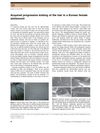
October 2012 in “The Journal of Dermatology” A Korean girl developed kinky hair without known cause or effective treatment.
May 2026 in “Science Advances” Caloric stress and differentiation increase IRES translation, affecting stem cell function and potential therapies.
 March 2012 in “Journal of The American Academy of Dermatology”
 Hand-foot-mouth disease may cause nail loss in children.
 39 citations
,
January 2019 in “Journal of Dermatological Treatment”
39 citations
,
January 2019 in “Journal of Dermatological Treatment” Ketoconazole cream is effective for skin conditions like seborrheic dermatitis and may help with hair loss and other skin issues, with generally mild side effects.
 February 2026 in “International Journal of Homoeopathic Sciences”
 Plica Polonica is a rare hair disorder causing severe matting, managed by detangling or cutting, and prevented with regular hair care.