8 citations
,
July 2015 in “International Journal of Dermatology” A new DSG4 gene mutation causes hair defects in a young girl.
2 citations
,
May 1979 in “PubMed” Monilethrix is not caused by a metabolic defect.
 November 2024 in “Malaysian Journal of Microbiology”
 Patients with thyroid disorders show different symptoms and antibody levels.
137 citations
,
April 2001 in “Journal of Clinical Investigation” Alopecia in these mice is caused by defective hair cycle communication due to missing vitamin D receptor function, not vitamin D levels.
April 2023 in “Journal of Investigative Dermatology” Proper cell death regulation is crucial for normal hair follicle regeneration and skin remodeling.
 2 citations
,
January 2017 in “PubMed”
2 citations
,
January 2017 in “PubMed” Hair casts are harmless but can be mistaken for head lice.
1 citations
,
July 2017 in “Skin appendage disorders” A 9-year-old Hispanic girl has Uncombable Hair Syndrome, which may improve with age and biotin treatment.
July 2025 in “Journal of Investigative Dermatology” BrdU speeds up hair follicle aging and reduces hair quality.
74 citations
,
March 2006 in “Journal of Chromatography B” Hair analysis is promising for detecting drug misuse in livestock.
30 citations
,
June 1993 in “The Journal of Cell Biology” The oncoprotein causes abnormal hair growth without increasing skin cancer risk.
18 citations
,
April 2016 in “Molecular Genetics and Genomics” Thymosin beta 4 may help hair growth and could be a treatment for hair issues.
14 citations
,
July 2017 in “Fitoterapia” Oleanolic acid promotes hair growth by increasing cell proliferation through the Wnt/β-catenin pathway.
11 citations
,
November 2023 in “Journal of Advanced Research” Activating ALDH2 can boost hair growth.
 86 citations
,
October 2005 in “Experimental Dermatology”
86 citations
,
October 2005 in “Experimental Dermatology” The Foxn1 gene mutation causes hairlessness and immune system issues, and understanding it could lead to hair growth disorder treatments.
55 citations
,
October 2019 in “The journal of allergy and clinical immunology/Journal of allergy and clinical immunology/The journal of allergy and clinical immunology” The review suggests that other immune cells besides CD8+ T cells may contribute to alopecia areata and that targeting regulatory cell defects could improve treatment.
31 citations
,
September 2012 in “Journal of biological chemistry/The Journal of biological chemistry” The right amount of retinoic acid is essential for normal hair growth and development.
25 citations
,
October 2007 in “Developmental biology” Clim proteins are essential for maintaining healthy corneas and hair follicles.
21 citations
,
December 2007 in “Journal of Investigative Dermatology” Hair follicles evolved from oil glands, with hair aiding secretion transport.
 14 citations
,
September 2010 in “Annals of Plastic Surgery”
14 citations
,
September 2010 in “Annals of Plastic Surgery” Hair restoration has evolved from surgery to drugs to potential gene therapy, with improved results and ongoing research driven by high demand.
2 citations
,
October 2012 in “Experimental Dermatology” Deleting the Sox21 gene changes hair lipid composition and increases cholesterol sulfate levels.
 October 2023 in “bioRxiv (Cold Spring Harbor Laboratory)”
 Early regulatory T cells are crucial for normal skin pigmentation.
67 citations
,
May 2013 in “Therapeutic drug monitoring” Wait 4-5 weeks after drug use before hair testing and cut hair into three segments to confirm single drug exposure.
22 citations
,
June 2008 in “Experimental Dermatology” Heparanase is essential for hair follicle health and inner root sheath differentiation.
7 citations
,
July 2025 in “The Journal of Physiology” C-tactile nerves are sensitive to hair movement.
 2 citations
,
March 2018 in “The Journal of Dermatology”
2 citations
,
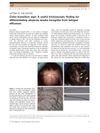
March 2018 in “The Journal of Dermatology” The "color-transition sign" helps tell apart alopecia areata incognita from telogen effluvium by looking at hair color changes.
 July 2023 in “Drug testing and analysis (Print)”
 Homemade hair treatments can significantly lower drug levels in hair, possibly causing false-negative drug tests.
 April 2023 in “Journal of Investigative Dermatology”
 Ashwagandha nanoparticles help increase hair growth.
Hair can naturally regain color, and stress might influence greying and its reversal.
August 2022 in “International Journal of Molecular Sciences” DNA methylation controls lncRNA2919, which negatively affects hair growth.
15 citations
,
June 2015 in “PLoS ONE” Thymosin beta-4 promotes hair growth in mice.