58 citations
,
November 1969 in “British Journal of Dermatology” Netherton's disease causes multiple hair defects.
15 citations
,
June 2020 in “The journal of investigative dermatology/Journal of investigative dermatology” Mice with extra human KLK14 had hair and skin problems, including weaker cell bonds and inflammation, linked to Netherton syndrome.
 6 citations
,
September 2015 in “Journal of Investigative Dermatology”
6 citations
,
September 2015 in “Journal of Investigative Dermatology” Using special RNA to target a mutant gene fixed hair problems in mice.
December 2020 in “Dermatology practical & conceptual” Trichoscopy helped diagnose a teenage girl's hair loss as monilethrix.
15 citations
,
March 1996 in “PubMed” Anorexia nervosa may cause a hair defect called pili torti due to malnutrition and high vitamin A levels.
158 citations
,
December 2002 in “Development” Msx2-deficient mice experience irregular hair growth and loss due to disrupted hair cycle phases.
 33 citations
,
March 2006 in “Seminars in cutaneous medicine and surgery”
33 citations
,
March 2006 in “Seminars in cutaneous medicine and surgery” The document explains how to identify different hair problems using a microscope.
 January 2015 in “Journal of Nutrition and Health”
 Fish oil improves hair growth in diabetic and high-cholesterol rats.
29 citations
,
August 2011 in “PubMed” Hair and nail proteins, mainly keratins, are crucial for structure and can indicate health issues.
 January 2019 in “Global Dermatology”
 Genetic hair shaft abnormalities can be seen with microscopes and often affect scalp hair.
 58 citations
,
October 2001 in “Dermatologic Clinics”
58 citations
,
October 2001 in “Dermatologic Clinics” Hair loss can indicate underlying systemic diseases and addressing these can sometimes reverse the hair loss.
50 citations
,
February 2004 in “Genomics” A gene mutation causes lanceolate hair in rats by disrupting hair shaft integrity.
 30 citations
,
August 1983 in “Pediatric Clinics of North America”
30 citations
,
August 1983 in “Pediatric Clinics of North America” Most hair loss in children is caused by a few common conditions, and it's important to diagnose these properly and support the child's mental health.
 6 citations
,
May 1993 in “Archives of Disease in Childhood”
6 citations
,
May 1993 in “Archives of Disease in Childhood” Children's hair loss can be caused by many factors, including autoimmune diseases, emotional stress, genetics, and infections, with treatment and prognosis varying.
 1 citations
,
September 2015 in “Clinics in Dermatology”
1 citations
,
September 2015 in “Clinics in Dermatology” The guide helps doctors diagnose hair problems by suggesting a thorough patient history, physical exams, and various diagnostic tools.
 1 citations
,
February 1988 in “The BMJ”
1 citations
,
February 1988 in “The BMJ” The document explains different hair and scalp conditions, including common hair loss after pregnancy or illness, drug-induced hair loss, hereditary excessive hair growth, patterned baldness, autoimmune hair loss, and permanent loss due to skin disease, with generally limited treatment options.
 January 2012 in “International Journal of Trichology”
 Two siblings have a rare genetic condition causing curly, coarse hair.
3 citations
,
January 2021 in “Veterinary dermatology” A litter of cats had a hair condition similar to a mouse mutation, leading to hair loss and abnormal hair and skin.
8 citations
,
May 2005 in “The American journal of dermatopathology/American journal of dermatopathology” The hair defect is due to abnormal inner root sheath keratinization.
 September 1998 in “JEADV. Journal of the European Academy of Dermatology and Venereology/Journal of the European Academy of Dermatology and Venereology”
 Hair changes could indicate neurological diseases and help monitor treatment.
1 citations
,
November 2011 in “Turkish Journal of Dermatology” Biotin treatment improved hair and skin issues in a child with biotinidase deficiency.
4 citations
,
March 1999 in “International Journal of STD & AIDS” Netherton's syndrome can cause frequent bacterial infections beyond just skin issues.
3 citations
,
January 2002 in “Actas Dermo-Sifiliográficas” Excessive minoxidil use can damage hair structure.
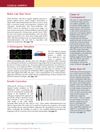 January 2016 in “Journal of Investigative Dermatology”
 Some cells may slow melanoma growth, a protein could affect skin pigmentation, a gene-silencing method might treat hair defects, skin bacteria changes likely result from eczema, and a defensin protein could help treat multiple sclerosis.
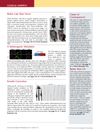 January 2016 in “Experimental Dermatology”
 New findings suggest potential treatments for melanoma, hyperpigmentation, hair defects, and multiple sclerosis, and show skin microbiome changes don't cause atopic dermatitis.
21 citations
,
January 2010 in “International journal of trichology” Trichoscopy can diagnose monilethrix, a genetic hair defect causing hair thinning and loss.
13 citations
,
July 2004 in “Pediatric dermatology” A new severe form of monilethrix syndrome includes hair loss, scalp itching, cataracts, and distinct facial features.
18 citations
,
September 1994 in “Clinical and Experimental Dermatology” Localized trichorrhexis nodosa is a hair condition where hair becomes fragile and breaks easily due to damage.
Sheep can lose wool quickly due to stress, but it doesn't cause itching or pain.
41 citations
,
October 2001 in “Experimental Dermatology” The nude gene is important for skin and hair development.