 20 citations
,
January 2018 in “Expert Opinion on Drug Safety”
20 citations
,
January 2018 in “Expert Opinion on Drug Safety” Personalized treatment with inhibitors, minoxidil, and laser therapy helps hair loss.
 February 2024 in “Pediatrics in review”
 A 15-year-old girl with missed periods was diagnosed with a pituitary disorder and treated with hormones and steroids.
 June 2024 in “Computational and Structural Biotechnology Journal”
 Multi-omics techniques help understand the molecular causes of androgenetic alopecia.
 8 citations
,
July 2010 in “Aesthetic Plastic Surgery”
8 citations
,
July 2010 in “Aesthetic Plastic Surgery” Adding more glutathione to the preservation solution doesn't reduce oxidative stress in hair transplants.
 127 citations
,
December 2005 in “Experimental Dermatology”
127 citations
,
December 2005 in “Experimental Dermatology” Stress can stop hair growth in mice, and treatments can reverse this effect.
 3 citations
,
June 2021 in “Journal of affective disorders”
3 citations
,
June 2021 in “Journal of affective disorders” Hair cortisol and cortisone levels may affect how work stress influences depression in Chinese fishermen.
 8 citations
,
April 2014 in “Anti-Cancer Drugs”
8 citations
,
April 2014 in “Anti-Cancer Drugs” A hormone linked to collagen helps hair grow back in mice after chemotherapy, and may also prevent bone loss.
 162 citations
,
August 2004 in “Journal of Investigative Dermatology”
162 citations
,
August 2004 in “Journal of Investigative Dermatology” Hair loss causes stress and affects mental health; treatment and support needed.
 January 2024 in “Institutional Repositories DataBase (IRDB)”
 The method accurately measures steroid hormones in hair to study hormone dynamics related to hair loss.
 30 citations
,
July 2017 in “BioEssays”
30 citations
,
July 2017 in “BioEssays” Activating NRF2 might help treat hair disorders by improving antioxidant defenses.
 4 citations
,
February 2022 in “Frontiers in molecular biosciences”
4 citations
,
February 2022 in “Frontiers in molecular biosciences” Chronic stress in mice changes skin metabolism and gene expression, leading to hair loss.
 125 citations
,
September 2001 in “The FASEB Journal”
125 citations
,
September 2001 in “The FASEB Journal” Stress can cause hair loss by negatively affecting hair follicles and this effect might be reversed with specific treatments.
 58 citations
,
October 2016 in “Journal of Investigative Dermatology”
58 citations
,
October 2016 in “Journal of Investigative Dermatology” Activating Nrf2 protects human hair follicles from oxidative stress and helps prevent hair growth inhibition.
 33 citations
,
January 2017 in “Conservation physiology”
33 citations
,
January 2017 in “Conservation physiology” Measuring reproductive hormones in brown bear hair could help identify their sex and reproductive state, but better collection methods or lab techniques are needed.
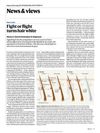 7 citations
,
January 2020 in “Nature”
7 citations
,
January 2020 in “Nature” Stress turns hair white by depleting color-giving cells in hair follicles through a specific neurotransmitter related to the body's stress response.
 July 2026 in “Clinical Cosmetic and Investigational Dermatology”
 Poor sleep and high stress are linked to skin, scalp, and hair problems.
 72 citations
,
October 2009 in “The FASEB journal”
72 citations
,
October 2009 in “The FASEB journal” TRH stimulates human hair growth and extends the hair growth phase.
 40 citations
,
March 1982 in “British Journal of Dermatology”
40 citations
,
March 1982 in “British Journal of Dermatology” Young women with diffuse hair loss may have low SHBG levels, which could lead to more active testosterone and contribute to their hair loss.
 37 citations
,
March 2010 in “British Journal of Dermatology”
37 citations
,
March 2010 in “British Journal of Dermatology” Oestrogen and thyrotropin-releasing hormone affect prolactin and its receptor in human skin and hair, suggesting new treatment options for related conditions.
 October 2023 in “Clinical medicine and medical research”
 Thyroid function may influence hair loss after COVID-19.
 126 citations
,
January 2009 in “International Journal of Trichology”
126 citations
,
January 2009 in “International Journal of Trichology” Oxidative stress contributes to hair graying and loss as we age.
 14 citations
,
October 2020 in “Scientific reports”
14 citations
,
October 2020 in “Scientific reports” Hair greying is linked to reduced ATM protein in hair cells, which protects against stress and damage.
 January 2024 in “GeroScience”
 Using radiation to make mice's hair turn gray helps study and find ways to prevent or reverse hair graying.
 7 citations
,
October 2000 in “Allergo Journal”
7 citations
,
October 2000 in “Allergo Journal” Stress may affect hair growth by influencing hair follicle development and could contribute to hair loss.
 June 2025 in “Universal library of medical and health sciences.”
 External factors like pollution, stress, and poor nutrition can negatively affect hair growth.
 30 citations
,
September 2003 in “Experimental Dermatology”
30 citations
,
September 2003 in “Experimental Dermatology” Minoxidil helps prevent stress-caused hair loss in mice.
Oxidative stress, not insulin resistance, is linked to diffuse hair loss.
 15 citations
,
January 2015 in “Skin Pharmacology and Physiology”
15 citations
,
January 2015 in “Skin Pharmacology and Physiology” Parathyroid hormones are important for hair growth, but their use in treating hair loss from chemotherapy is still uncertain.
 31 citations
,
April 2007 in “Experimental Dermatology”
31 citations
,
April 2007 in “Experimental Dermatology” Stress in mice delays hair growth and treatments blocking substance P can partly reverse this effect.
 76 citations
,
March 2005 in “Journal of Molecular Medicine”
76 citations
,
March 2005 in “Journal of Molecular Medicine” Certain mice without specific receptors or mast cells don't lose hair from stress.