28 citations
,
October 2024 in “Advanced Materials” Artificial skin can heal wounds without scars and regenerate hair, oil, and sweat glands.
16 citations
,
July 2008 in “BMC Genomics” Alpha 6 + /MHCI - cells have stem cell traits and are similar to mouse hair follicle stem cells.
 June 2026 in “International Journal of Molecular Sciences”
 Extracellular vesicles show promise in regenerative and cosmetic medicine but need more research and regulation for safe use.
 February 2026 in “MDPI (MDPI AG)”
 Exosome-based treatments may improve skin and hair issues, but more research is needed for safety and effectiveness.
 July 2024 in “Gene & Protein in Disease”
 Exosome therapy shows promise for treating skin conditions and improving wound healing.
76 citations
,
February 2024 in “International Journal of Molecular Sciences” Hydrogels show promise for improving skin wound healing.
26 citations
,
October 2020 in “Biomedicines” Bioengineered skin models help reduce animal testing and advance research in cosmetics and skin disease.
20 citations
,
April 2022 in “Frontiers in Bioengineering and Biotechnology” Regenerative medicine in Malaysia shows promise for treating diseases but faces ethical and safety challenges.
7 citations
,
April 2020 in “Applied Sciences” Ultrasound helps create gels that speed up tissue formation.
 2 citations
,
August 2023 in “Life”
2 citations
,
August 2023 in “Life” Bioinspired polymers are promising for advanced medical treatments and tissue repair.
 2 citations
,
January 2023 in “BioMed Research International”
2 citations
,
January 2023 in “BioMed Research International” The secretome from mesenchymal stromal cells shows promise for improving facial nerve injury treatment.
 January 2025 in “Burns & Trauma”
 Titanium dioxide nanoparticles can help heal wounds faster and better.
November 2023 in “Applied sciences” Pig blood can be used to mass-produce stable, low-cost platelet dry powder for medical use.

Peptide hydrogels show promise for healing skin, bone, and nerves but need improvement in stability and compatibility.
 April 2023 in “Dentistry”
 Baby teeth stem cells can potentially grow organs and treat diseases.
 June 2008 in “Regenerative Medicine”
 The book explains the science of tissue repair and regeneration, its medical uses, challenges, and ethical concerns.
 16 citations
,
June 2022 in “Acta biomaterialia”
16 citations
,
June 2022 in “Acta biomaterialia” The study developed a new way to create hair-growing tissue that can help regenerate hair follicles and control hair growth direction.
 9 citations
,
September 2019 in “Clinical, Cosmetic and Investigational Dermatology”
9 citations
,
September 2019 in “Clinical, Cosmetic and Investigational Dermatology” Using a patient's own fat tissue helped treat hair loss caused by an injury.
 January 2023 in “bioRxiv (Cold Spring Harbor Laboratory)”
 Newly born mesenchymal cells quickly spread out in response to tissue tension during early development.
 3 citations
,
January 2023 in “Physiological Research”
3 citations
,
January 2023 in “Physiological Research” Conditioned media from mesenchymal stem cells show promise for tissue repair and disease treatment, but more research is needed on their safety and effectiveness.
 9 citations
,
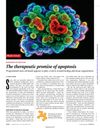
March 2019 in “Science”
9 citations
,
March 2019 in “Science” Blocking cell death in certain stem cells can improve wound healing and tissue regeneration.
3 citations
,
August 2025 in “Advanced Therapeutics” Engineered cytokines show promise for improving tissue healing and safety in regenerative medicine.
 November 2025 in “Medical alphabet”
 Physiotherapy methods can effectively stimulate hair growth in telogen alopecia.
 14 citations
,
November 2020 in “International Journal of Biological Macromolecules”
14 citations
,
November 2020 in “International Journal of Biological Macromolecules” Mushroom-based scaffolds help heal skin wounds and regrow hair.
 8 citations
,
May 2021 in “Applied Materials Today”
8 citations
,
May 2021 in “Applied Materials Today” New nano composite helps reduce scars and regrow hair during burn wound healing.
10 citations
,
August 2021 in “Frontiers in cell and developmental biology” Scientists made structures that look like human hair follicles using stem cells, which could help grow hair without using actual human tissue.
 November 2023 in “Frontiers in veterinary science”
 The study provides insights into hair growth mechanisms in yaks.
 163 citations
,
April 2019 in “Nature Communications”
163 citations
,
April 2019 in “Nature Communications” Mechanical stretching of the skin can promote hair growth by activating certain immune cells.
 1 citations
,
September 2009 in “Regenerative Medicine”
1 citations
,
September 2009 in “Regenerative Medicine” Bioaesthetic therapies could improve healthcare if they safely regenerate cells, tissues, or organs to restore normal function.
 February 2025 in “Theranostics”
 3D bioprinting with special hydrogels can create artificial skin that heals wounds and regrows hair in mice.