 January 2016 in “Chemistry & Industry”
 Two drugs, tofacitinib and ruxolitinib, may help regrow hair by activating hair follicles.
October 2001 in “Science news” Understanding hair growth and loss is complex, involving genetic and molecular factors.
 70 citations
,
February 2015 in “Expert Opinion on Drug Discovery”
70 citations
,
February 2015 in “Expert Opinion on Drug Discovery” Topical drugs and near-infrared light therapy show potential for treating alopecia.
13 citations
,
July 2015 in “Archives of dermatological research” N1-methylspermidine helps hair growth and reduces inflammation in hair follicles.
40 citations
,
April 1995 in “Journal of Cutaneous Pathology” Androgen receptors are found in some skin tumors but not in hair follicle tumors.
17 citations
,
July 2024 in “Frontiers in Oncology” New therapies and trials are needed for Merkel cell carcinoma, a tough skin cancer.
 14 citations
,
January 2016 in “Experimental and molecular pathology”
14 citations
,
January 2016 in “Experimental and molecular pathology” Giving immune serum from vaccinated mice to mice without T cells prevents infection and tumor growth.
8 citations
,
July 2015 in “European journal of histochemistry” Sox9 is present in most canine skin tumors and may help understand stem cells' role in these cancers.
 November 2011 in “APMIS. Acta pathologica, microbiologica et immunologica Scandinavica./APMIS”
 Polyomavirus A2 infection in newborn mice caused hair follicle tumors.
 January 2025 in “International Journal of Clinical and Diagnostic Pathology”
 Most skin adnexal tumors are benign and require histopathological examination for accurate diagnosis.
 October 2023 in “Research Review”
 Some skin tumors from hair follicles and glands can be linked to genetic syndromes and may be benign or malignant.
December 2022 in “Laboratory Animal Research” Trichoblastomas in aged house musk shrews show unique features and may involve serum amyloid A in inflammation.
 June 2022 in “IP Indian journal of clinical and experimental dermatology”
 Benign skin adnexal tumors are more common than malignant ones, with trichoepithelioma and chondroid syringoma being the most frequent types.
 August 2021 in “Annals of pathology and laboratory medicine”
 Most skin tumors in the study were benign, with squamous cell carcinoma being the most common malignant type.
 October 2018 in “Springer eBooks”
 The document concludes that various hair disorders have different treatments, including medication, surgery, and addressing underlying causes.
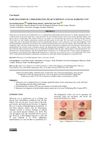 March 2022 in “Folia Medica Indonesiana”
 The lump on a woman's scalp was a rare, potentially cancerous tumor from the hair follicle, not a common cyst.
 49 citations
,
August 2004 in “The FASEB Journal”
49 citations
,
August 2004 in “The FASEB Journal” Mice with human skin protein K8 had more skin problems and cancer.
 30 citations
,
March 2010 in “European Journal of Dermatology”
30 citations
,
March 2010 in “European Journal of Dermatology” Hair loss in elderly women is often caused by various factors, including hormonal changes after menopause.
16 citations
,
May 2011 in “The Journal of clinical investigation/The journal of clinical investigation” Some skin tumors may start from hair follicle stem cells.
8 citations
,
June 2010 in “Plastic & Reconstructive Surgery” Complete removal of scalp tumors is crucial, but malignant cases may recur or metastasize, requiring a multidisciplinary approach and close follow-up.
3 citations
,
April 2019 in “Stem cells international” Markers CRABP1, Nestin, and Ephrin B2 are present in skin cancer environments and may influence their development.
 1 citations
,
February 2017 in “Clinical Dermatology Open Access Journal”
1 citations
,
February 2017 in “Clinical Dermatology Open Access Journal” A rare benign tumor was found in a man's scrotum, highlighting the need for accurate diagnosis.
August 2004 in “Veterinary Dermatology” The red panda's hair loss was caused by an endocrine issue linked to ovarian tumors.
TNFα and interleukin-1 blockers reduce skin inflammation from EGFR antibody therapy.
TNFα and interleukin-1 blockers reduce skin inflammation from EGFR antibody therapy.
5 citations
,
August 1983 in “PubMed” DNA virus-induced tumors have consistent isozyme profiles, unlike other tumor types.
September 2025 in “Journal of Veterinary and Animal Sciences” Nine hair follicle tumors were found in dogs.
45 citations
,
August 2009 in “American Journal Of Pathology” Noggin promotes skin tumors by activating certain cell signaling pathways.
 54 citations
,
January 2016 in “Cell reports”
54 citations
,
January 2016 in “Cell reports” Activating β-catenin in different skin stem cells causes various types of hair growth and skin tumors.
136 citations
,
March 1998 in “Oncogene” Overexpression of E2F1 can lead to skin tumors and disrupt hair growth.