 March 2009 in “International Journal of Dermatology and Venereology”
 Androgenic alopecia, or male pattern baldness, is caused by genes.
May 2025 in “Biomedicine & Pharmacotherapy” Hyperbranched polymer dots significantly boost hair regrowth better than minoxidil.
15 citations
,
January 1996 in “Adelaide Research & Scholarship (AR&S) (University of Adelaide)” Keratin gene regulation was emerging, with a key transcription factor found to influence hair growth and gene expression.
 12 citations
,
July 2016 in “British journal of dermatology/British journal of dermatology, Supplement”
12 citations
,
July 2016 in “British journal of dermatology/British journal of dermatology, Supplement” Different hair fiber development might explain why hair loss severity varies in patients with a specific genetic mutation, and treatments that thicken hair could help.
 66 citations
,
May 2012 in “Scientific Reports”
66 citations
,
May 2012 in “Scientific Reports” Scientists successfully created and transplanted bioengineered hair follicles that function like natural ones, suggesting a new treatment for hair loss.
 5 citations
,
November 2018 in “Skin appendage disorders”
5 citations
,
November 2018 in “Skin appendage disorders” More kenogen hairs cause hair thinning in androgenetic alopecia, not hair miniaturization.
October 2001 in “Science news” Understanding hair growth and loss is complex, involving genetic and molecular factors.

Nourkrin® with Marilex® may significantly increase hair growth and alopecia could be an early sign of metabolic syndrome.
 January 2015 in “Springer eBooks”
 Hair health is influenced by genetics, aging, and environmental factors, with proper care needed to maintain it.
 13 citations
,
March 2017 in “Genomics”
13 citations
,
March 2017 in “Genomics” Genomic approach finds new possible treatments for hair loss.
7 citations
,
April 1996 in “British Journal of Dermatology” Hair structural proteins are synthesized sequentially in specific cells, offering a new way to study hair proteins and defects.
January 1990 in “Advances in forensic haemogenetics” Human hair protein patterns are inherited genetically.
 6 citations
,
August 2012 in “The Journal of Pediatrics”
6 citations
,
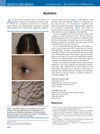
August 2012 in “The Journal of Pediatrics” A 12-year-old girl was diagnosed with monilethrix, a genetic condition causing fragile, beaded hair that breaks easily, with no effective treatment available.
November 2025 in “International Journal of Innovative Research and Scientific Studies” Regenera Activa AMT effectively improves hair growth and reduces hair loss in androgenetic alopecia.
 31 citations
,
May 2008 in “Drug Discovery Today: Disease Mechanisms”
31 citations
,
May 2008 in “Drug Discovery Today: Disease Mechanisms” Different hair growth problems are caused by genetic issues or changes in hair growth cycles, and new treatments are being developed.
 14 citations
,
July 2010 in “Experimental Dermatology”
14 citations
,
July 2010 in “Experimental Dermatology” A new mutation in the HR gene causes hair loss in a specific family.
5 citations
,
February 2007 in “Cytology and genetics” Gene expression regulates keratin production for normal hair growth.
78 citations
,
May 2012 in “Journal of Investigative Dermatology” A specific gene mutation causes woolly hair and hair loss.
 2 citations
,
May 2023 in “Plants”
2 citations
,
May 2023 in “Plants” Allium hookeri extract may help promote hair growth and protect cells from damage.
May 2025 in “OPAL (Open@LaTrobe) (La Trobe University)” Jamogenin and other molecules may help treat hair loss by inhibiting 5-alpha reductase.
 January 2020 in “Journal of Cosmetics, Dermatological Sciences and Applications”
 TrichoxidilTM could be a promising new treatment for hair loss.
January 2019 in “11th World congress for hair research”  26 citations
,
May 2013 in “British Journal of Dermatology”
26 citations
,
May 2013 in “British Journal of Dermatology” Hair loss risk is influenced by multiple genes.
Epidermal growth factor speeds up hair cell regeneration in chickens after gentamicin damage.
Nanotechnology shows promise for better hair loss treatments but needs more research for safety and effectiveness.
 50 citations
,
March 2001 in “Clinics in Dermatology”
50 citations
,
March 2001 in “Clinics in Dermatology” Genes and hormones cause hair loss, with four genes contributing equally.
Garlic can help hair grow by activating certain growth pathways, and it works whether you eat it or apply it to your scalp.
 42 citations
,
October 2009 in “The journal of investigative dermatology/Journal of investigative dermatology”
42 citations
,
October 2009 in “The journal of investigative dermatology/Journal of investigative dermatology” Mutations in the KRT85 gene cause hair and nail problems.
October 2019 in “DOAJ (DOAJ: Directory of Open Access Journals)” The nanoparticles effectively deliver herbal extract to enhance hair growth.
 July 2026 in “Journal of Nanobiotechnology”
 The hydrogel helps treat hair loss by reducing harmful molecules and improving blood flow to hair follicles.