8 citations
,
March 2007 in “The journal of investigative dermatology/Journal of investigative dermatology” The near-naked hairless mutation causes hair loss but is not due to a mutation in the hairless gene itself.
 8 citations
,
January 2007 in “International journal of experimental pathology”
8 citations
,
January 2007 in “International journal of experimental pathology” Hairless HRS/J mice resist Bacillus anthracis skin infections due to high numbers of immune cells, not because they lack hair follicles.
 7 citations
,
August 2017 in “PloS one”
7 citations
,
August 2017 in “PloS one” Key genes linked to hair growth and cancer were identified in hairless mice.
 6 citations
,
November 2021 in “Oncology Research and Treatment”
6 citations
,
November 2021 in “Oncology Research and Treatment” Low Vitamin D receptor levels in breast cancer are linked to worse outcomes and more bone metastases, and could be a marker for prognosis.
 6 citations
,
October 2017 in “Oncotarget”
6 citations
,
October 2017 in “Oncotarget” Hairless mice are more vulnerable to Listeria infection, but gut microbiota can help reduce damage.
6 citations
,
June 2016 in “Journal of cellular biochemistry” The Hr protein binds to DNA, interacts with p53, and affects cell cycle genes.
 6 citations
,
July 2009 in “Biomolecules & therapeutics”
6 citations
,
July 2009 in “Biomolecules & therapeutics” Combining MSM with MAP significantly promotes hair growth.
 5 citations
,
October 2013 in “Experimental Dermatology”
5 citations
,
October 2013 in “Experimental Dermatology” The commentary explains that a balance of HR protein and putrescine is important for normal hair growth.
5 citations
,
November 2011 in “Journal of Cutaneous Medicine and Surgery” Hairless dogs can be used to study human hypertrophic scars.
5 citations
,
September 2011 in “Biochimica et Biophysica Acta (BBA) - Molecular Basis of Disease” Hairless protein helps control hair growth by regulating vitamin D receptor activity.
 5 citations
,
January 1994 in “Skin Pharmacology and Physiology”
5 citations
,
January 1994 in “Skin Pharmacology and Physiology” Minoxidil absorption in skin is slowed by cleansing, depends on how long it stays on the skin, and is not much affected by reapplication.
5 citations
,
February 1981 in “Experientia” A new gene causes hairlessness and skin cysts in rats.
 5 citations
,
October 2014 in “Methods”
5 citations
,
October 2014 in “Methods” The document explains how to create detailed biological pathways using genomic data and tools, with examples of hair and breast development.
4 citations
,
March 2000 in “Journal of Investigative Dermatology” The gene for Marie Unna hereditary hypotrichosis is located on chromosome 8p21, near the hairless gene.
4 citations
,
July 1987 in “Laboratory Animals” Female rats aged 8 weeks are best for this model.
 4 citations
,
January 2021 in “Skin appendage disorders”
4 citations
,
January 2021 in “Skin appendage disorders” Washing hair daily is better and preferred, with no negative effects.
3 citations
,
March 2016 in “Experimental Dermatology” A mutation in the hairless gene speeds up severe itchy skin in mice on a special diet.
 3 citations
,
April 2012 in “Fertility and Sterility”
3 citations
,
April 2012 in “Fertility and Sterility” Finasteride may cause infertility in rats by affecting epididymis and sperm function.
 3 citations
,
March 2010 in “Dermatologica Sinica”
3 citations
,
March 2010 in “Dermatologica Sinica” A Taiwanese patient had hair loss and skin bumps without the usual gene mutation, suggesting other genetic factors might be involved.
 3 citations
,
June 1997 in “Veterinary Dermatology”
3 citations
,
June 1997 in “Veterinary Dermatology” Minoxidil treatment can stimulate hair growth in hairless puppies if applied early.
 3 citations
,
October 1979 in “Laboratory animals”
3 citations
,
October 1979 in “Laboratory animals” Hairless rats are good for testing anti-inflammatory drugs, similar to haired rats, without needing to remove fur.
 2 citations
,
June 2000 in “Journal of The American Academy of Dermatology”
2 citations
,
June 2000 in “Journal of The American Academy of Dermatology” Mutation in hairless gene may increase hair loss risk.
2 citations
,
September 1998 in “Der Hautarzt” A gene mutation causes a rare hereditary hair loss, offering potential for new treatments.
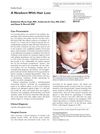 1 citations
,
February 2013 in “Clinical pediatrics”
1 citations
,
February 2013 in “Clinical pediatrics” The baby’s hair loss was due to a rare genetic condition, not treatable by usual methods.
 1 citations
,
July 2005 in “Informa Healthcare eBooks”
1 citations
,
July 2005 in “Informa Healthcare eBooks” Hair follicles could be used for targeted drug delivery, with liposomal systems showing promise for this method.
 November 2005 in “Nature Reviews Molecular Cell Biology”
 The protein hairless is important for hair regrowth because it stops the protein wise from blocking the hair cycle.
 April 2026 in “Laboratory Animal Research”
 The new Hairless R/J mice model improves imaging for tumor monitoring and cancer therapy evaluation.

Researchers developed a cost-effective, ethical skin model using hairless guinea pig cells for toxicology studies.
October 2025 in “International Journal of Advanced Multidisciplinary Research and Studies” Hairless dogs have unique skin adaptations to regulate temperature and protect against environmental factors.
 August 2020 in “Pakistan Journal of Zoology”
 A new mutation in the Hairless gene causes hair loss in two Pakistani families.