
There are many ways to treat Polycystic Ovary Syndrome, including lifestyle changes, surgery, and various medications, but more research is needed for better treatments.
 February 2020 in “Acta Scientific Women's Health”
 PCOS is a common condition in women that can lead to infertility and other health issues, and it's diagnosed by specific criteria with various treatment options available.
 January 2016 in “Springer eBooks”
 Hyperandrogenism, often causing excessive hair growth and acne, can be treated with methods like weight reduction, hair removal, various medications, and in the case of acne, topical treatments.
January 2014 in “Journal of Changchun University of Traditional Chinese Medicine” Resolving acne capsules can reduce acne by improving skin and balancing hormones.
 November 2010 in “Value in Health”
 Cataract surgery guidelines vary across Europe, and generic finasteride sales for hair loss have grown due to pill splitting.
 October 1971 in “The BMJ”
 Hair loss can be linked to hormonal changes, and physical conditions like heart defects can cause depression.
 October 2025 in “Česká gynekologie”
 Hyperprolactinemia is the most common cause of secondary amenorrhea, followed by drug use.
April 2025 in “La Prensa Medica” Oral contraceptives help treat acne and hair issues by balancing hormones but need careful use due to possible side effects.
April 2025 in “The American journal of patient health info.” PCOS affects many women, causing hormonal issues and health risks, but can be managed with lifestyle changes and medication.
April 2025 in “The Obstetrician & Gynaecologist” Hirsutism is managed by assessing testosterone levels and using oral contraceptives, with ethical considerations on treatment access.
 January 2024 in “JAAD case reports”
 Netherton syndrome can cause severe and chronic vulvovaginal symptoms that may improve with continuous oral contraceptives.
 December 2022 in “International journal of preventive, curative & community medicine”
 PCOS is a common hormonal disorder in women, causing symptoms like acne and irregular periods, and is managed with medication and lifestyle changes.
 April 2021 in “Interciencia médica”
 PCOS is a common condition in women that causes various symptoms and health issues, treatable with lifestyle changes and medication.
 May 2020 in “International Journal of Clinical Obstetrics and Gynaecology”
 The combined therapy improved symptoms in PCOS patients.
 February 2020 in “Open Access Macedonian Journal of Medical Sciences”
 The patient with severe hirsutism improved after being diagnosed with non-classic congenital adrenal hyperplasia and treated with corticosteroids.
 February 2018 in “InTech eBooks”
 Diagnosing and treating PCOS is complex due to differing criteria and requires a team approach.
 January 2015 in “Springer eBooks”
 The document concludes that managing PCOS involves lifestyle changes, medication, and monitoring for associated health risks.
 March 2012 in “Journal of the American Academy of Dermatology”
 Treating ovarian-related inflammation may help hair regrowth in women with alopecia areata.
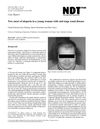
A young woman with kidney failure had hair loss due to a common hormonal disorder, which improved with hormone therapy.
 June 2003 in “Obstetrical & Gynecological Survey”
 Hair loss in women can be treated with hormone therapy.
Oral contraceptives are generally recommended for healthy young girls, but specific types may vary based on individual health conditions and barrier methods are less popular among adolescents.
September 1976 in “PubMed” Hirsutism is excessive male-pattern hair growth mainly caused by ovarian hormones, and severe cases may require costly treatment with side effects.

Choose oral contraceptives with specific side effects to manage issues like acne and avoid unwanted effects.
 February 1976 in “PubMed”
 Sex hormone therapy is effective for certain skin conditions like acne and seborrhea, but less so for female hair loss and excessive hair growth.
Oral contraceptives may cause significant hair loss in women.
 13 citations
,
January 1995 in “Postgraduate medicine”
13 citations
,
January 1995 in “Postgraduate medicine” Excessive hair growth in women can be harmless or signal serious health issues, and treatment often includes medication and hair removal, with noticeable results after 3-6 months.
 989 citations
,
August 2007 in “The Lancet”
989 citations
,
August 2007 in “The Lancet” PCOS is a complex condition with major health impacts, needing more research for better diagnosis and treatment.
502 citations
,
February 2008 in “The Journal of Clinical Endocrinology & Metabolism” Treat significant hirsutism with medication and hair removal; use birth control pills first, adding antiandrogens if needed.
 373 citations
,
September 2009 in “Obstetrics & Gynecology”
373 citations
,
September 2009 in “Obstetrics & Gynecology” The bulletin provides guidelines for diagnosing and managing PCOS, suggesting weight loss, hormonal contraceptives, and diabetes screening, with clomiphene for infertility and various treatments for excess hair.
54 citations
,
June 2006 in “Baillière's best practice and research in clinical endocrinology and metabolism/Baillière's best practice & research. Clinical endocrinology & metabolism” Medicines that lower androgen levels and hair removal treatments help manage excessive hair and acne in women with PCOS.