 November 2022 in “Journal of Investigative Dermatology”
 A new molecule was found to be a safe and effective skin lightener and anti-aging product.
6 citations
,
August 2016 in “Journal of Visualized Experiments” The CUBIC protocol allows detailed 3D visualization of proteins in mouse skin biopsies.
5 citations
,
April 2020 in “Journal of Mind and Medical Sciences” The new device improves surgical accuracy by using a special dye and camera to see inside tissues.
 1 citations
,
July 2023 in “Journal of visualized experiments”
1 citations
,
July 2023 in “Journal of visualized experiments” The new method makes it easier to study the whole cochlea from newborn mice and rats in the lab.
 July 2023 in “Photodermatology, Photoimmunology and Photomedicine”
 Infrared radiation can cause skin aging and cancer at high temperatures but may have therapeutic benefits at controlled levels.
 111 citations
,
August 2002 in “Journal of Medicinal Chemistry”
111 citations
,
August 2002 in “Journal of Medicinal Chemistry” New compounds were made that block an enzyme linked to breast cancer better than existing treatments.
2 citations
,
May 1985 in “Environmental Health Perspectives” Chlorinated compounds like TCDD can cause skin issues and chloracne by affecting cell behavior.
3 citations
,
August 2010 in “Letters in Drug Design & Discovery” August 2025 in “Al-Salam Journal for Medical Science” Steroid hormones are vital for body functions and disease management.
7 citations
,
May 2015 in “Journal of biological chemistry/The Journal of biological chemistry” Different ligands change the shape of the TRPV3 ion channel in unique ways.
6 citations
,
April 1989 in “Nuclear Instruments and Methods in Physics Research Section B Beam Interactions with Materials and Atoms” Sulphur in hair follicles increases from the bulb and then levels off, while other elements vary in distribution.
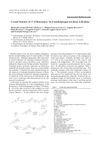 February 1999 in “Analytical Sciences”
 A new antiandrogen compound was made and its detailed three-dimensional shape was described.

Certain ingredients in personal care products, like formaldehyde, oxidative hair dyes, and sulfates, pose health risks and need careful review.
19 citations
,
March 2010 in “Steroids” Certain progesterone derivatives can inhibit enzymes and reduce androgenic activity, potentially affecting prostate growth.
6 citations
,
November 2017 in “Journal of the Peripheral Nervous System” Mercury exposure damages small nerve fibers in rats' skin.
 March 2024 in “Journal of drugs in dermatology”
 HASHA is a safe and effective option for chin augmentation.

The document's conclusion cannot be provided because the document is not available or cannot be read.
 July 1976 in “Archives of Dermatology”
 The document suggests more research is needed to understand skin conditions related to toothpaste and other treatments.
15 citations
,
November 2024 in “Materials” PHAs are promising biodegradable materials for medical and dental uses.
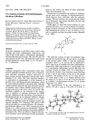 December 1998 in “Acta Crystallographica Section C-crystal Structure Communications”
 A new compound with strong antiandrogenic effects was found, potentially useful for treating conditions like acne and prostate cancer.
2 citations
,
January 2016 in “Experimental Dermatology” HS needs personalized treatment plans and more research.
7 citations
,
September 2024 in “International Journal of Molecular Sciences” PCOS involves high 11-oxygenated androgens and BPA may worsen it, while IH is not inflammatory.

Fetal environments contain various chemicals that may disrupt hormones.
24 citations
,
February 2011 in “The American journal of pathology” AIRE protein, defective in APECED patients, is found in skin and hair cells and interacts with cytokeratin 17.
1 citations
,
June 2025 in “Cell Biochemistry and Biophysics” January 2024 in “Biomedicines” The review shows that skin symptoms like chronic fungal infections, hair loss, and skin depigmentation are key for early detection and management of APECED.
May 1962 in “Zhurnal Fizicheskoi Khimii (U.S.S.R.) For English translation see Russ. J. Phys. Chem. (Engl. Transl.)” PCOS causes hormonal imbalances and health issues like infertility and heart disease.
 18 citations
,
April 2001 in “Bioorganic & Medicinal Chemistry Letters”
18 citations
,
April 2001 in “Bioorganic & Medicinal Chemistry Letters” The nature of the side chain in RU 58841 derivatives greatly affects its AR affinity, with the N-(iodopropenyl) derivative 13 showing the highest AR binding affinity, suggesting its potential for developing high-affinity radioiodinated AR radioligands.
 November 2022 in “IntechOpen eBooks”
 Methods for creating diverse ring-shaped molecules and their uses.