November 2018 in “Archives of clinical and experimental medicine” Acne, viral warts, and contact dermatitis are the most common skin conditions in kids at a hospital in Eskisehir, Turkey.
 January 2017 in “Springer eBooks”
 The document concludes that scalp health is influenced by complex factors affecting sebaceous glands, including hormones, aging, and various substances.
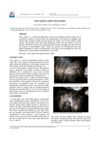
An adult Libyan woman was successfully treated for a rare scalp infection usually seen in children.
 January 2016 in “Journal of SAFOG”
 Girls with PCOS and menstrual disorders have notably higher androgen hormone levels.
 December 2015 in “Turkderm”
 About 30% of dermatology patients used complementary and alternative medicine, mostly women with higher education and income, but 85% still preferred traditional medical treatments.
 December 2015 in “Basrah Journal of veterinary Research”
 Buffaloes in Basrah, Iraq, often lack minerals like zinc and copper, leading to health issues.
Skin changes throughout life, from development before birth to aging effects like wrinkles, influenced by both genetics and environment.
The chapter explains that there are many genetic skin disorders affecting skin cell formation, including both common and rare types.
Any medication can cause skin reactions, some due to allergies and others due to dosage or genetic factors.
Different connective tissue disorders have unique symptoms and treatments, with varying outcomes and often require ongoing care from a specialist.
 March 2013 in “Endocrine Abstracts”
 Ethnicity affects how polycystic ovary syndrome shows up in women, with white women having higher metabolic risks but less diabetes, and South Asian women showing more androgenic symptoms and being younger at presentation.
 February 2012 in “InTech eBooks”
 PCOS increases the risk of heart disease and type 2 diabetes in women.
April 2011 in “The FASEB Journal” Profilin1 speeds up wound healing.

The man had myotonia, which caused delayed hand grip relaxation.
January 2006 in “Durham e-Theses (Durham University)” Id proteins, especially Id2 and Id3, are crucial for hair follicle development and stem cell regulation.
 July 2002 in “Dermatologic Surgery”
 Some people's hair turned white or gray after using intense pulsed light for hair removal, and for some, it was permanent.
January 2022 in “Advanced Pharmaceutical Bulletin” Clove oil and grape seed extract increase finasteride skin absorption, while urea decreases it.
October 2020 in “El-Minia Medical Bulletin” Minoxidil effectively treats hair loss in both men and women.
 September 2005 in “Archives of Dermatological Research”
 Large prostate patients more likely to have hair loss.
4350 citations
,
May 2012 in “Arthritis & Rheumatism” The new SLICC criteria for diagnosing lupus are more sensitive and accurate than the old criteria.
 737 citations
,
August 2020 in “Journal of Infection”
737 citations
,
August 2020 in “Journal of Infection” Many COVID-19 survivors experience long-term symptoms but still report satisfactory quality of life and return to work.
256 citations
,
March 2019 in “Journal of the American Academy of Dermatology” There is no standardized treatment for hidradenitis suppurativa, and individualized plans are needed.
253 citations
,
April 2009 in “Journal of Biological Chemistry” p2y5, now called LPA6, is a receptor important for human hair growth.
 252 citations
,
April 2009 in “Seminars in Cell & Developmental Biology”
252 citations
,
April 2009 in “Seminars in Cell & Developmental Biology” The immune system plays a key role in tissue repair, affecting both healing quality and regenerative ability.
 195 citations
,
January 2008 in “Photochemistry and Photobiology”
195 citations
,
January 2008 in “Photochemistry and Photobiology” Visible light can damage skin and most sunscreens don't block it well; more research is needed on its effects and protection methods.
 195 citations
,
June 2005 in “American Journal of Human Genetics”
195 citations
,
June 2005 in “American Journal of Human Genetics” Genetic variation in the androgen receptor gene mainly causes early-onset hair loss, with maternal inheritance playing a key role.
121 citations
,
June 2009 in “Journal of Cellular Biochemistry” Human hair follicle stem cells can safely and effectively help nerve regeneration.
119 citations
,
November 2016 in “American journal of human genetics” Mutations in three genes cause Uncombable Hair Syndrome, leading to frizzy hair that can't be combed flat.
 113 citations
,
July 2020 in “Communications biology”
113 citations
,
July 2020 in “Communications biology” Men, especially older ones with health issues like prostate cancer, may have worse COVID-19 outcomes and could benefit from therapies targeting male hormones.