 4 citations
,
November 2014
4 citations
,
November 2014 The skin protects the body, regulates temperature, senses touch, and makes vitamin D.
79 citations
,
August 1998 in “The Journal of Cell Biology” Keratin 16 delays skin maturation and affects skin and hair development in mice.
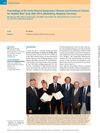 September 2014 in “Aktuelle Dermatologie”
 The symposium concluded that environmental factors significantly contribute to skin aging.
4 citations
,
October 2021 in “Journal of Clinical Medicine” Carriers of a specific gene mutation have subtle skin changes without visible symptoms.
December 1981 in “Pediatric Research” July 2025 in “Journal of Investigative Dermatology” Collagen scaffolds in cell therapy can transform skin to be more resilient and pressure-responsive.
10 citations
,
August 2020 in “Current protocols in stem cell biology” Scientists developed a way to create skin and hair cells from human stem cells, which could help treat burns and restore hair.
1 citations
,
January 2025 in “Journal of Fungi” Erythema nodosum linked to kerion can be treated effectively with antifungals and steroids to reduce scarring.
87 citations
,
November 2002 in “Journal of Investigative Dermatology” 2 citations
,
March 1994 in “Oncology Reports” Keratoacanthomas and squamous cell carcinomas have similar keratin patterns, making them hard to tell apart.
89 citations
,
May 2005 in “Stem Cells” Mouse skin has special cells in the epidermis that decrease with age and are linked to keratinocyte stem cells.
 February 2024 in “Journal of Cellular and Molecular Medicine”
 A hydrogel releasing pectolinarin speeds up wound healing and reduces scarring.
Keratinocytes grew and migrated into hair follicle areas but disappeared after 15-20 days.
2 citations
,
January 2025 in “Brazilian Journal of Medical and Biological Research” Vitamin D3 speeds up skin healing by helping skin stem cells grow and develop.
8 citations
,
July 2024 in “Cells” PGC-1α may improve aging skin by boosting mitochondrial function and reducing inflammation.
 2 citations
,
August 2012 in “Journal of the American Academy of Dermatology”
2 citations
,
August 2012 in “Journal of the American Academy of Dermatology” Two patients with the same genetic mutation had both blistering skin and easily pulled out hair.
12 citations
,
March 2021 in “JAAD Case Reports” Nail changes from immunotherapy can be managed without stopping cancer treatment.
 February 2026 in “International Journal of Homoeopathic Sciences”
 Homeopathic treatment with Arsenicum album improved keratosis pilaris symptoms in one case.
27 citations
,
July 1983 in “Journal of Investigative Dermatology”  32 citations
,
April 2013 in “Anais Brasileiros de Dermatologia”
32 citations
,
April 2013 in “Anais Brasileiros de Dermatologia” The document concludes that inherited epidermolysis bullosa is a challenging genetic condition requiring multidisciplinary care and new treatments.
June 2026 in “British Journal of Dermatology” A rare genetic mutation in the EGFR gene caused severe skin issues and other health problems in a Slovakian girl, who is now 4 years old and receiving care.
38 citations
,
April 2005 in “Journal of Investigative Dermatology” Human hair follicle cells can become fat and bone cells, useful for therapy.
1 citations
,
October 2008 in “PubMed” China made major progress in creating artificial skin for better burn treatment.
5 citations
,
January 2021 in “Frontiers in cell and developmental biology” Skin cysts might help advance stem cell treatments to repair skin.
 January 2024 in “The Indian Veterinary Journal”
 A young goat with skin issues improved with medication and supplements.
 February 2026 in “Journal of Cutaneous and Aesthetic Surgery”
 Ectopic acanthosis nigricans can occur at surgical sites due to skin graft mismatches.
 November 2022 in “Journal of Investigative Dermatology”
 Scientists found a new type of skin cell that could help with skin repair and these cells work better with a certain protein.
1 citations
,
January 2013 Glucosylceramides are essential for healthy skin and proper wound healing.
 6 citations
,
September 2019 in “Skin pharmacology and physiology”
6 citations
,
September 2019 in “Skin pharmacology and physiology” RCS-01 therapy is safe and may improve skin structure by affecting gene expression.
2 citations
,
November 1999 in “Journal of Cutaneous Medicine and Surgery”