 June 2026 in “Zenodo (CERN European Organization for Nuclear Research)”
 The herbal hair serum, especially formulation H3, effectively improves hair nourishment, smoothness, and health.
 June 2026 in “Zenodo (CERN European Organization for Nuclear Research)”
 The herbal hair serum, especially formulation H3, effectively improves hair nourishment, smoothness, and health.
The study identified a key protein involved in producing underarm odor and found ways to inhibit it.
 January 2022 in “Acta dermatovenerologica Alpina, Pannonica et Adriatica (Tiskana izd.)”
 Uncombable hair syndrome causes frizzy hair and can affect the nervous system, eyes, and ears, often co-occurring with other hair, skin, nail, and teeth conditions, and is linked to three specific gene mutations.
3 citations
,
August 2010 in “Letters in Drug Design & Discovery” 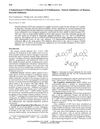 111 citations
,
August 2002 in “Journal of Medicinal Chemistry”
111 citations
,
August 2002 in “Journal of Medicinal Chemistry” New compounds were made that block an enzyme linked to breast cancer better than existing treatments.
 April 2023 in “The journal of investigative dermatology/Journal of investigative dermatology”
 HPV8 causes hair follicle stem cells to grow, leading to skin lesions.
 59 citations
,
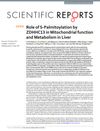
May 2017 in “Scientific reports”
59 citations
,
May 2017 in “Scientific reports” ZDHHC13 is important for normal liver function and metabolism, affecting mitochondrial activity.
August 2005 in “The Journal of Cell Biology” Sgk3 kinase is essential for normal hair growth in mice.
 2 citations
,
January 2001 in “Biomedical Research”
2 citations
,
January 2001 in “Biomedical Research” Trichohyalin and peptidylarginine deiminase type III are found together in rat hair follicles, with trichohyalin being modified after expression.
172 citations
,
July 2007 in “Journal of Dermatological Science” Stat3 helps skin heal but can also cause skin diseases if overactive.
January 2016 in “Zurich Open Repository and Archive (University of Zurich)” Dietary L-serine supplementation can reduce symptoms of HSAN1 by lowering harmful 1-deoxySL levels.
1 citations
,
February 1991 in “Journal of Biological Chemistry” 27 citations
,
May 2011 in “Journal of Investigative Dermatology” TCHHL1 is a protein important for hair growth, found in hair follicles.
 1 citations
,
January 2015 in “Genetics and Molecular Research”
1 citations
,
January 2015 in “Genetics and Molecular Research” Stopping S100A3 activity slows down hair growth in mice.
26 citations
,
December 1990 in “Journal of Biological Chemistry” Two specific genes are more active during hair growth in mice.
 November 2022 in “The journal of investigative dermatology/Journal of investigative dermatology”
 Skin organoids with NCSTN mutation show changes in hair follicle development and higher inflammation, key features of Hidradenitis Suppurativa.
4 citations
,
February 2013 in “PubMed” A3 antibody helps identify key cells in rat hair follicle development.
January 2022 in “Skin Pharmacology and Physiology” Higher STAT3 levels are found in hair loss areas, but not linked to hair loss severity.
40 citations
,
April 1999 in “Journal of Histochemistry & Cytochemistry” S100A3 protein is mainly found in specific parts of human hair cells.
28 citations
,
June 2023 in “Tissue Engineering and Regenerative Medicine”  52 citations
,
November 2003 in “Journal of Investigative Dermatology”
52 citations
,
November 2003 in “Journal of Investigative Dermatology” Different harmful mutations in the CDH3 gene cause HJMD, but symptoms vary among individuals.
 February 2026 in “International Journal of Molecular Sciences”
 3-Hydroxypropionic acid may help treat hair loss by promoting hair growth in cells.
42 citations
,
September 1985 in “British Journal of Dermatology” Trichothiodystrophy causes abnormal protein deposits and distortion in hair follicles.
52 citations
,
June 1991 in “Journal of Virology” The hamster polyomavirus middle T antigen is linked to tumors in hamsters and associates with a specific tyrosine kinase.
22 citations
,
August 2020 in “Cells” TGM3 is important for skin and hair structure and may help diagnose cancer.
 December 2022 in “American journal of medical genetics. Part A”
 A person got uncombable hair syndrome from two copies of chromosome 1 from their mother.
September 1989 in “PubMed” The method allows detailed observation of hair tissue structures.
The transporter protein SH1446 in Staphylococcus hominis is key to underarm odor production.
September 2016 in “Toxicology letters” The 5050 MHA42MCS45 hydrogel blend is suitable for repairing load-bearing soft tissues.