8 citations
,
July 2003 in “Annals of the Rheumatic Diseases” A 13-year-old girl with various symptoms was successfully treated with an antibiotic called co-trimoxazole.
 1 citations
,
February 2022 in “Clinical, Cosmetic and Investigational Dermatology”
1 citations
,
February 2022 in “Clinical, Cosmetic and Investigational Dermatology” TDM10842, a thyroid hormone receptor activator, was found to effectively promote hair growth in mice.
 8 citations
,
March 1942 in “Journal of Endocrinology”
8 citations
,
March 1942 in “Journal of Endocrinology” Thyroid hormone treatments help thyroidectomized rats grow normally.
January 2018 in “Indian Dermatology Online Journal” DM and AA may share a common cause.
The man has patchy hair loss likely due to alopecia areata.
19 citations
,
June 1997 in “The Journal of Clinical Endocrinology & Metabolism” The treatment successfully lowered testosterone levels and reduced symptoms.

Isotretinoin reduced inflammation in tufted hair folliculitis, but hair tufting remained.
 31 citations
,
May 2021 in “Journal of endocrinological investigation”
31 citations
,
May 2021 in “Journal of endocrinological investigation” APS-1 in Italy shows diverse AIRE mutations and various autoimmune issues.
 September 2024 in “Cureus”
 Removing breast implants resolved the patient's symptoms.
 November 2023 in “JAAD case reports”
 Exogenous testosterone use may be linked to developing hidradenitis suppurativa.
1 citations
,
August 2018 in “Journal of the American Academy of Dermatology”  18 citations
,
February 2006 in “Brain & development”
18 citations
,
February 2006 in “Brain & development” A patient with Satoyoshi syndrome improved with a treatment combining several medications, including carbamazepine and methotrexate.
April 2026 in “Journal of Cutaneous Pathology” Alopecia can be caused by multicentric reticulohistiocytosis.
 3 citations
,
July 2013 in “Journal of Cutaneous Pathology”
3 citations
,
July 2013 in “Journal of Cutaneous Pathology” A woman's hair loss, resembling an autoimmune condition, improved after treatment, but requires ongoing checks due to potential serious associations.
March 2025 in “JAAD International” Alopecia areata is rare in organ transplant patients and may be linked to the drug tacrolimus.
 109 citations
,
May 2011 in “Dermatologic Therapy”
109 citations
,
May 2011 in “Dermatologic Therapy” Alopecia areata is a type of hair loss that can lead to complete baldness, often associated with other autoimmune conditions, and half of the cases may see hair return within a year.
September 2023 in “Journal of the American Academy of Dermatology” Increased Treg cells and IL-10 may help quick recovery in acute diffuse and total alopecia.
8 citations
,
September 2006 in “Transplantation” A kidney transplant and immunosuppressive treatment stopped the skin disease in a patient.
 9 citations
,
January 2015 in “Dermatology Online Journal”
9 citations
,
January 2015 in “Dermatology Online Journal” A patient with Crohn's disease grew back their hair after stopping Adalimumab, which had caused hair loss.
20 citations
,
January 2012 in “Indian Journal of Endocrinology and Metabolism” Most patients with acquired hypoparathyroidism after neck surgery had hair, nail, and skin issues.
March 2025 in “European Journal of Medical Genetics” Tofacitinib helped improve symptoms and hair growth in a patient with Aicardi-Goutières syndrome.
 53 citations
,
September 2011
53 citations
,
September 2011 Other common signs, not just the well-known immune cells around hair bulbs, are important for diagnosing hair loss from alopecia areata.
 5 citations
,
May 2017 in “Journal of the European Academy of Dermatology and Venereology”
5 citations
,
May 2017 in “Journal of the European Academy of Dermatology and Venereology” The study found no significant difference in stress hormone levels between people with alopecia areata and healthy individuals, suggesting that the disease is not caused by an overactive stress response system.
 July 2024 in “The Journal of Dermatology”
 A rare case shows alopecia areata and ITP occurring together, needing more research.
6 citations
,
May 2018 in “Zeitschrift für Rheumatologie” A woman with rheumatoid arthritis lost all her hair during adalimumab treatment, and stopping the drug didn't help.
 8 citations
,
June 2019 in “Orphanet journal of rare diseases”
8 citations
,
June 2019 in “Orphanet journal of rare diseases” Corticosteroids are the most effective treatment for Satoyoshi syndrome.
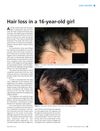 November 2014 in “Prescriber”
 The 16-year-old girl with hair loss was successfully treated for alopecia areata, leading to significant hair regrowth.
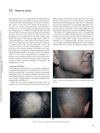 April 2012 in “Informa Healthcare eBooks”
 Alopecia areata is a common autoimmune condition causing varying hair loss, diagnosed by specific patterns of inflammation around hair follicles, with several treatment options available.
 62 citations
,
June 2015 in “The Journal of Dermatology”
62 citations
,
June 2015 in “The Journal of Dermatology” People with alopecia areata have more Th17 cells and fewer Treg cells, which may be key to the condition's development.
4 citations
,
November 2019 in “Harper's Textbook of Pediatric Dermatology” Endocrine diseases in children can cause various skin and hair changes.