 May 2024 in “International Journal of Science and Research (IJSR)”
 Tankan Bhasma mixed with coconut oil effectively reduced dandruff and improved scalp health.
 1 citations
,
August 2024 in “Transgenic Research”
1 citations
,
August 2024 in “Transgenic Research” Activated β-catenin affects hair growth and skin thickness, and changes are reversible.
12 citations
,
October 2019 in “Experimental Dermatology” Boehmite promotes hair growth by stimulating key cells and pathways.
 April 2017 in “The journal of investigative dermatology/Journal of investigative dermatology”
 Both induced and spontaneous AA lymphocytes can cause alopecia areata in mice.
Cows moving from tie-stall to free-stall housing had more heel problems, less joint lesions, and higher stress levels.
71 citations
,
January 1998 in “Pathobiology” The document concludes that certain rats and mice are useful for studying hair loss in humans and testing treatments.
15 citations
,
September 2009 in “European Journal of Histochemistry” CD90 is abundantly present on stem-like cells in dog hair follicles.
 1 citations
,
June 2001 in “International Journal of Cosmetic Surgery and Aesthetic Dermatology”
1 citations
,
June 2001 in “International Journal of Cosmetic Surgery and Aesthetic Dermatology” The Anchor Flap is an effective, quick treatment for severe baldness but requires skilled surgeons and careful patient selection.
11 citations
,
January 1977 in “Archives of dermatological research” Mouse tail skin has different keratinization near hair follicles and scales.
 September 2024 in “Journal of the American Academy of Dermatology”
 Baricitinib 4 mg is effective and safe for treating severe alopecia areata.
 April 2026 in “Microsystems & Nanoengineering”
 HA-gel-dex hydrogels help heal wounds and regenerate tissue effectively.
1 citations
,
April 2008 in “Experimental Dermatology” Hidradenitis suppurativa may mainly affect vellus hair follicles, not terminal ones.
January 2017 in “한국약용작물학회지” Houttuynia cordata extract may help hair growth without harming hair cells.
5 citations
,
September 2017 in “PubMed” A new type of amniotic tissue graft improves wound healing better than other grafts.
 13 citations
,
July 2012 in “Pigment Cell & Melanoma Research”
13 citations
,
July 2012 in “Pigment Cell & Melanoma Research” A mutation in the Adam10 gene causes freckle-like spots on Hairless mice.
2 citations
,
August 1999 in “PubMed”  30 citations
,
June 2015 in “Dermatologic Surgery”
30 citations
,
June 2015 in “Dermatologic Surgery” Ultrasound shows 80% of Hidradenitis Suppurativa patients have abnormal hair tracts that may worsen the condition.
1 citations
,
September 2023 in “Journal of the American Academy of Dermatology” Mini pulse corticosteroid therapy with oral dexamethasone is effective and has fewer side effects for treating extensive alopecia areata.
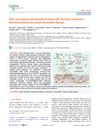
January 2003 in “Jiepouxue zazhi” HHK can help restore skin structure.
 1 citations
,
October 2025 in “Nano Research”
1 citations
,
October 2025 in “Nano Research” A new microneedle patch effectively treats atopic dermatitis by reducing skin stress and restoring immune balance.
May 2025 in “OPAL (Open@LaTrobe) (La Trobe University)” Targeting specific metabolic and ionic pathways may improve alopecia areata treatment.
 34 citations
,
January 2012 in “Journal of Dermatological Science”
34 citations
,
January 2012 in “Journal of Dermatological Science” Hydrogen peroxide and monoethanolamine in hair dye can cause dermatitis and hair loss.
1 citations
,
April 2001 in “Biological Rhythm Research” Deuterium oxide extends the hair cycle duration in mice without changing hair structure.
March 2025 in “Multidisciplinary Science Journal” Sonic hedgehog (Shh) is crucial for gecko tail regeneration.
February 2026 in “Pediatric Dermatology” 77 citations
,
June 2002 in “Journal of Investigative Dermatology” CD44 variant changes start alopecia areata, but don't maintain it.
November 2022 in “Journal of Investigative Dermatology” NCSTN gene mutation causes abnormal skin cell differentiation and more inflammation, contributing to Hidradenitis Suppurativa.
 May 2018 in “European Journal of Dermatology”
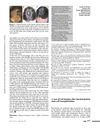
 Adjusting the medication tacrolimus resolved a boy's red nail beds after a stem cell transplant.
19 citations
,
January 2020 in “Journal of Biophotonics” A PEG-400/oleic acid mixture best improves drug delivery monitoring through hair follicles.
27 citations
,
July 1997 in “PubMed” The harlequin ichthyosis mouse mutation causes thick skin and early death, resembling a human skin disorder.