Baricitinib effectively treats alopecia areata, with over half of patients improving after 52 weeks.
 82 citations
,
January 2000 in “Hormone Research in Paediatrics”
82 citations
,
January 2000 in “Hormone Research in Paediatrics” DHEA stimulates skin oil glands and could help postmenopausal women, with potential for acne and excessive hair growth treatments.
 66 citations
,
December 2018 in “Dermatology”
66 citations
,
December 2018 in “Dermatology” Both ruxolitinib and tofacitinib are effective and safe for treating severe alopecia areata, but relapses are common.
September 2022 in “Journal of The American Academy of Dermatology” Dermatologists should monitor potassium levels in women taking spironolactone for acne, hair loss, and hirsutism.
29 citations
,
May 1975 in “Clinical Endocrinology” Combination therapy significantly reduces testosterone and moderately reduces hair growth in women with hirsutism.
 87 citations
,
March 2000 in “American Journal of Clinical Dermatology”
87 citations
,
March 2000 in “American Journal of Clinical Dermatology” Alpha-hydroxy acids, like glycolic acid, safely improve skin issues and work on all skin types.
research Acne
81 citations
,
January 2002 in “American journal of clinical dermatology” Hormonal treatments can help with acne, especially in women, by lowering androgen levels or blocking their effects.
 July 2024 in “Medical alphabet”
 JAK inhibitors like tofacitinib may effectively treat alopecia in children without major side effects.
July 2024 in “Journal of Investigative Dermatology” Allergic contact dermatitis may promote hair growth by activating hair follicle stem cells.
 40 citations
,
December 2016 in “Journal of Dermatological Treatment”
40 citations
,
December 2016 in “Journal of Dermatological Treatment” JAK inhibitors show promise for treating skin and hair disorders but need more research on long-term safety and effectiveness.
184 citations
,
January 2000 in “European Urology” Blocking the enzyme that turns testosterone into DHT can safely and effectively treat enlarged prostate.
Hormonal treatments can help with hair loss, acne, and excess hair growth, but it takes 3-6 months to see results and patients should know the possible side effects.
 4 citations
,
December 2021 in “Journal of The American Academy of Dermatology”
4 citations
,
December 2021 in “Journal of The American Academy of Dermatology” Doctors are prescribing spironolactone more often to treat acne and skin conditions in teenagers, and it seems safe and well-tolerated.
 September 2017 in “Journal of Investigative Dermatology”
 HIF-1A may aid hair growth, Backhousia citriodora improves skin, autologous cells stabilize hair loss, infrared thermography assesses alopecia, and a new treatment preserves hair.
14 citations
,
January 2025 in “Journal of Dermatological Treatment” Baricitinib is effective and safe for treating severe alopecia areata, promoting significant hair regrowth.
 January 2026 in “Forum Dermatologicum”
 JAK inhibitors and combination therapies show promise for treating severe alopecia areata.
 31 citations
,
January 2016 in “Drugs - Real World Outcomes”
31 citations
,
January 2016 in “Drugs - Real World Outcomes” Some new oral anticoagulants may also cause hair loss and might not be better than traditional ones for preventing hair loss.
8 citations
,
December 2016 in “Hormone Research in Paediatrics” Tunisian children with hereditary vitamin D-resistant rickets showed improvement with calcium treatment, and new genetic mutations were identified.
December 2025 in “PubMed” Baricitinib is effective and safe for treating severe alopecia areata.
New drugs, baricitinib and ritlecitinib, are effective for severe alopecia areata.
July 2026 in “Frontiers in Immunology” Ivarmacitinib may effectively treat complex atopic dermatitis and related hair loss.
January 2026 in “Zenodo (CERN European Organization for Nuclear Research)” Statins do not help improve alopecia areata.
 7 citations
,
April 2023 in “Frontiers in immunology”
7 citations
,
April 2023 in “Frontiers in immunology” Oral baricitinib and ruxolitinib are effective and safe for treating alopecia areata.
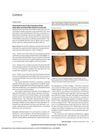 41 citations
,
December 2015 in “JAMA Dermatology”
41 citations
,
December 2015 in “JAMA Dermatology” Tofacitinib citrate improved nail dystrophy and pain in patients with alopecia universalis without causing side effects.
 September 2017 in “Journal of Investigative Dermatology”
 Stabilizing HIF-1A in hair follicles may reduce oxidative stress and promote hair growth by increasing glycolysis.
1 citations
,
November 2024 in “Journal of Investigative Dermatology” Er:YAG laser therapy effectively treats Hailey-Hailey disease, leading to long-term remission and improved quality of life.
December 2025 in “The Journal of Dermatology” Ritlecitinib effectively reduces hair loss in JAK inhibitor-naïve alopecia areata patients.
 29 citations
,
April 2019 in “BMJ. British medical journal”
29 citations
,
April 2019 in “BMJ. British medical journal” Men taking dutasteride or finasteride have a slightly higher risk of developing type 2 diabetes.
3 citations
,
September 2024 in “Journal of Microbiology and Biotechnology” Human placenta extract reduces inflammation and symptoms in atopic dermatitis.
May 2025 in “International Journal of Women’s Dermatology” 5-alpha reductase inhibitors and spironolactone don't increase gynecological tumor risk, glucagon-like-peptide-1 receptor agonists may increase alopecia risk, sanitary pads can cause dermatitis, early hidradenitis suppurativa intervention is crucial for Hispanic patients, community education boosts skin cancer awareness, metformin may improve skin cancer survival, LNG-IUDs can increase acne risk, machine learning accurately detects basal cell carcinoma, JAK-inhibitors may raise miscarriage risk, inclusive skincare ads affect those with darker skin, and CCCA in Black women might involve autoimmunity.