 February 2026 in “Journal of Regenerative Medicine and Biology Research”
 Exosomes show promise for anti-aging and regenerative treatments.
 January 2026 in “Archive ouverte UNIGE (University of Geneva)”
 Skin-sparing techniques in gynecomastia surgery lead to good chest results and high patient satisfaction with less scarring.
 January 2025 in “International Journal of Dermatology Venereology and Leprosy Sciences”
 Current treatments for alopecia areata can help hair grow but don't cure the disease.
 January 2024 in “Surgical & Cosmetic Dermatology”
 Exosomes may help treat skin diseases and improve skin rejuvenation.

More research is needed to confirm the potential of various treatments, including Helichrysum plicatum, vitamins, bromelain, personalized medications, hydrogels, and bacteriophage therapy.

Topical calcipotriol successfully treated hair loss in three patients with Alopecia Totalis.
 November 2018 in “Klinická farmakologie a farmacie”
 Alopecia in young women improves with effective treatment.
 118 citations
,
May 2015 in “European journal of pharmaceutics and biopharmaceutics”
118 citations
,
May 2015 in “European journal of pharmaceutics and biopharmaceutics” The hydrogel with a 1:3 ratio of hydroxyethyl cellulose to hyaluronic acid is effective for delivering drugs through the skin to treat acne.
 12 citations
,
January 1978
12 citations
,
January 1978 Friesian heifers take about 18 months to adapt to Kenya's climate, with hair changes not strongly linked to weight gain.

 January 2018 in “Skin appendage disorders”
 The document focused on hair disorders, especially alopecia, and discussed treatments and impacts on quality of life.

Finding functions for unknown GPCRs is hard but key for making new drugs.
 281 citations
,
January 2013 in “British Journal of Dermatology”
281 citations
,
January 2013 in “British Journal of Dermatology” Manage vitiligo with treatments, address emotions, and use camouflage techniques.
 200 citations
,
November 1997 in “Planta”
200 citations
,
November 1997 in “Planta” Calcium affects where root hairs grow, but other unknown factors determine their growth direction.
 60 citations
,
November 2020 in “International Journal of Medical Sciences”
60 citations
,
November 2020 in “International Journal of Medical Sciences” NIR light therapy may effectively treat eye diseases and improve brain function without side effects.
 25 citations
,
August 2015 in “Journal of cosmetic dermatology”
25 citations
,
August 2015 in “Journal of cosmetic dermatology” African American women report more hair issues and use different hair care practices than Caucasian women, and have different hair and scalp characteristics.
 16 citations
,
September 2018 in “Journal of Molecular Liquids”
16 citations
,
September 2018 in “Journal of Molecular Liquids” The PS-b-PAA copolymer nanomicelles are effective for delivering a cancer treatment drug in photodynamic therapy.
 16 citations
,
August 2014 in “Colloids and surfaces. B, Biointerfaces”
16 citations
,
August 2014 in “Colloids and surfaces. B, Biointerfaces” Lipid-coated silica nanoparticles penetrate human skin more deeply than bare silica nanoparticles.
 15 citations
,
November 2020 in “Pharmaceutics”
15 citations
,
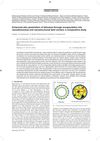
November 2020 in “Pharmaceutics” Tofacitinib nanoparticles can safely and effectively treat alopecia areata by targeting hair follicles.
 15 citations
,
May 2016 in “Die Pharmazie”
15 citations
,
May 2016 in “Die Pharmazie” Nanostructured lipid carriers deliver lidocaine to the skin better than nanoethosomes.
 12 citations
,
July 2020 in “International Journal of Pharmaceutics”
12 citations
,
July 2020 in “International Journal of Pharmaceutics” Iron oxide nanoparticles improve skin penetration and drug release for hair loss treatment.
 10 citations
,
May 2016 in “Polymer”
10 citations
,
May 2016 in “Polymer” New nanocarriers improve skin drug delivery with low toxicity at certain concentrations.
 7 citations
,
May 2016 in “European Polymer Journal”
7 citations
,
May 2016 in “European Polymer Journal” The new nanocarriers improve how well water-insoluble drugs dissolve and allow for controlled drug release.
 4 citations
,
March 2019 in “Experimental Biology and Medicine”
4 citations
,
March 2019 in “Experimental Biology and Medicine” Exposure to 50 Hz electromagnetic fields may help mice grow hair faster.
 1 citations
,
January 2018 in “Recent clinical techniques, results, and research in wounds”
1 citations
,
January 2018 in “Recent clinical techniques, results, and research in wounds” Using developmental signaling pathways could improve adult wound healing by mimicking scarless embryonic healing.

Human hair keratins can be turned into useful 3D biomedical scaffolds through a freeze-thaw process.
 September 2018 in “The Medical Journal of Cairo University/The Medical Journal of Cairo University”
 Polarized light therapy helps hair regrowth in alopecia areata patients.
 May 2026 in “Repository of the University of Ljubljana (University of Ljubljana)”
 Chemical exfoliants, especially with glycolic acid, are more effective for keratosis pilaris.
 March 2025 in “HAL (Le Centre pour la Communication Scientifique Directe)”
 De nouvelles thérapies promettent de mieux traiter la perte de cheveux due à l'alopécie androgénétique.

No single biomarker is reliable enough for diagnosing and assessing SLE.