Reducing nerve growth can help skin regenerate after birth.
 September 2025 in “Wound Repair and Regeneration”
 GLP-1 receptor agonists may help manage and prevent diabetic foot ulcers.
August 2025 in “American Journal of Dermatopathology” Accurate diagnosis and personalized treatment are crucial in dermatopathology.
June 2025 in “Cell Metabolism” Serine is vital for hair follicle stem cells to balance hair growth and skin repair.

Alopecia Areata causes hair loss and needs treatments that address both physical and emotional health.
 January 2025 in “Bioengineering”
 Combining PRS with TAFR is promising for treating complex fistulas, with most patients achieving long-term healing.
 January 2025 in “PLoS ONE”
 Aligned membranes improve wound healing by reducing scars and promoting skin regeneration.
 December 2024 in “Microorganisms”
 Microbiota changes in deer antler velvet aid in wound healing and tissue regeneration.
 November 2024 in “Stem Cell Research & Therapy”
 Stem cells from umbilical cords can help regrow hair in mice with hair loss.
 October 2024 in “Frontiers in Neurology”
 Interventional embolization is effective for treating scalp arteriovenous fistula but can cause complications like swelling and hair loss.
Calorie restriction changes the elemental and isotopic makeup of mouse hair and bone.
May 2024 in “IntechOpen eBooks” More oxygen isn't always better and can sometimes be worse.
April 2024 in “Surgical Techniques Development” The 11th AICPE Congress in Rimini was a major event in European aesthetic plastic surgery.
 January 2024 in “Advanced Science”
 New microspheres help heal skin wounds and regrow hair without scarring.
 January 2024 in “Journal of cosmetic dermatology”
 Long-hair follicular unit excision improves hairline restoration results and patient satisfaction.
 December 2023 in “Regenerative therapy”
 miRNA-based therapies show promise for treating skin diseases, including hair loss, in animals.
 October 2023 in “Journal of cosmetic dermatology”
 Timely treatment and prevention are crucial to avoid serious complications in hair transplants.
 July 2023 in “Stem Cells Translational Medicine”
 Mesenchymal Stem/Stromal Cells (MSCs) help in wound healing and tissue regeneration, but can also contribute to tumor growth. They show promise in treating chronic wounds and certain burns, but their full healing mechanisms and potential challenges need further exploration.
 June 2023 in “Pharmaceuticals”
 Men and women respond differently to drugs for COVID-19, high cholesterol, and diabetes, which suggests a need for personalized treatments.
 May 2023 in “Journal of Investigative Dermatology”
 Blocking DPP4 can potentially speed up hair growth and regeneration, especially after injury or in cases of hair loss.
April 2023 in “Chinese Medical Journal” Human hair follicle stem cells help repair tendon injuries.
10 citations
,
April 2009 in “Oncology Reports” Bald-headed individuals may need early non-invasive detection for skin changes linked to cancer risk.
36 citations
,
July 1987 in “Journal of toxicology and environmental health” Rats fed heated oils had less weight gain, more organ damage, and showed signs of toxicity compared to those fed fresh oils.
 April 2018 in “Journal of Investigative Dermatology”
 Older mice healed wounds better but lost more weight and might have weaker immune systems afterward.
 June 2023 in “British Journal of Dermatology”
 Leprosy and psoriasis were historically confused, but were finally distinguished as separate diseases in the 1800s.
Heated radish extract may help lighten skin and reduce aging signs.
 58 citations
,
June 2006 in “Plastic and Reconstructive Surgery”
58 citations
,
June 2006 in “Plastic and Reconstructive Surgery” Mice healed without scars as fetuses but developed scars as adults, suggesting scarless healing might be replicated with further research.
 28 citations
,
April 1936 in “Journal of the American Medical Association”
28 citations
,
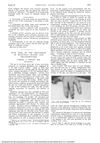
April 1936 in “Journal of the American Medical Association” Aloe vera healed severe skin damage and restored normal skin in five weeks.
16 citations
,
October 2013 in “Anais Brasileiros de Dermatologia” Scalp condition healed with prednisone and tacrolimus.