Search
for
Sort by
Research
720-750 / 1000+ results
research Telogen effluvium associated with the dopamine agonist pramipexole in a 55-year-old woman with Parkinson's disease
A woman with Parkinson's disease experienced hair loss from the Parkinson's medication pramipexole, which improved after stopping the drug.

research Aberrant connective tissue sheath contraction drives premature hair follicle regression by inducing progenitor cell depletion in androgenetic alopecia
Abnormal contraction of connective tissue in hair follicles causes hair loss by killing off important cells, and treating this could improve hair growth.
research Homozygous missense mutation in theLIPHgene causing autosomal recessive hypotrichosis simplex in a Chinese patient
A specific gene mutation causes a rare hair loss condition in a Chinese patient.
research Alopecia: the questions we need to answer
We need better research to improve alopecia treatment and patient care.
research Painful piezogenic pitting of the fingers in older adults: A case series
Older adults may experience painful finger pitting due to nerve changes in aging skin, and treatments can help reduce symptoms.

research Sexual dysfunction with 5-alpha-reductase inhibitor therapy for androgenetic alopecia: a global propensity score matched retrospective cohort study
Taking medication for hair loss might cause sexual problems.
research Relationship of irrational attitudes and mechanisms of psychological defense of participants in combat operations
War veterans need psychological support to improve coping and resilience.
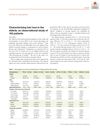
research Characterizing hair loss in the elderly: an observational study of 163 patients
Hair loss in elderly people is often due to health issues and needs better diagnosis and treatment.
research Factors Influencing Depression in Korean Men with Androgenic Alopecia

research 474 Stabilizing mutations of KLHL24 ubiquitin ligase cause loss of keratin 14 and human skin fragility
Certain mutations in the KLHL24 gene cause a skin disorder by breaking down an important skin protein.
research Quality of Life in Nepalese Patients with Non-Scarring Alopecia: A Cross-Sectional Observational Study at a Tertiary Center
Nepalese patients with hair loss, especially women and those with androgenetic alopecia, experience a significant decrease in quality of life.
research The relationship between stress resistance and psychological well-being of counseling psychologists
Improving stress resistance can boost the well-being of counseling psychologists.
research Therapeutic Options to Refractory Alopecia Areata
Refractory alopecia areata can be managed with medical treatments, psychological support, and aesthetic options.
research Time Perspective as a Mediator of Depressive Symptoms in Patients with Polycystic Ovary Syndrome
Helping PCOS patients focus on hope and control can reduce depression.
research Doctor, Heal Thyself: Treatment Seeking for Stress and Health Researchers
Health experts should not ignore their own health issues and seeking treatment is important for their well-being and work.
research Alopecia in lupus: Experience from a tertiary referral centre
Most lupus patients in the study experienced hair loss, which greatly affected their mental and social well-being.
research The Lived Experience of Women with Alopecia: A Qualitative Study Investigating the Psychological, Social and Emotional Impact of Alopecia in a Sample of Greek Women
Alopecia greatly affects Greek women's daily life, relationships, and self-image, with mixed social support and dissatisfaction with treatments.
research Chronic Exposure of 5‐Alpha Reductase Inhibitor in Young Male Rats Induces Not Only Metabolic Disturbance, But Also Depressive‐Like Behaviors as Similar with Obese Condition
Long-term use of a drug for hair loss and prostate issues can cause metabolic problems and depression-like behavior in young male rats.
research Influence of age and of testosterone on the response of male rats to parachlorophenylalanine
PCPA induces hypersexual behavior in male rats regardless of age or castration status.
research Field use of hair epilation force in nutrition status assessment
Hair pluckability can help assess protein nutrition status.
research 396 Vδ1 + T-cells are stress-sentinels in human skin and are implicated in alopecia areata pathogenesis
Vδ1+ T-cells in the skin contribute to hair loss in alopecia areata and could be targeted for treatment.

research Telogen Effluvium
Telogen effluvium is a condition that causes temporary hair loss due to stress or shock to the body.
research The emergence of Alopecia Areata is not dependent on perforin-mediated cytolysis
Alopecia Areata can develop without perforin-mediated cytolysis.

research Telogen Effluvium
Telogen effluvium is a condition that causes temporary hair loss due to stress or shock to the body.
research Apoptosis resistance in peripheral blood lymphocytes of alopecia areata patients
Alopecia areata patients have more activated T cells in their blood, which may help in developing treatments.
research Real-world experience quantifying access to JAK inhibitor care for alopecia areata patients: a patient-centered survey study
Access to JAK inhibitor therapy for alopecia areata patients is difficult, especially for racial minorities.
research Review of quality of life studies in women with alopecia
Alopecia significantly lowers women's quality of life, with psychological and social challenges, highlighting the importance of early treatment and support.
research An Unusual Patchy Alopecia in a 15th Century Altarpiece From Colmar, France
The patchy alopecia in the altarpiece likely symbolizes the soldier's negative traits.
research Keratin 17 null mice exhibit age- and strain-dependent alopecia
Keratin 17 is crucial for early hair strength and cell survival.