Asian hair's unique features make hair loss management and surgery more challenging.
 April 2023 in “JAAD international”
 Patients with Frontal fibrosing alopecia in Morocco often have skin conditions and thyroid disorders.

The document concludes that the girl's hairlessness is likely inherited from her parents.
 1 citations
,
March 2020 in “Australasian Journal of Dermatology”
1 citations
,
March 2020 in “Australasian Journal of Dermatology” The paper concludes that recognizing bitemporal alopecia areata is important for early treatment and preventing its progression.
April 2020 in “The Egyptian Journal of Plastic and Reconstructive Surgery” The method effectively restores symmetrical and natural-looking hair in burn-affected areas.
 March 2019 in “International Journal of Dermatology”
 Hairline recession makes Asian males look older, especially in mid-young age; proper hairline position can help them look younger.
9 citations
,
June 2017 in “American journal of ophthalmology. Case reports” A new mutation in the CDH3 gene causes hair loss and vision problems in a young girl.
 23 citations
,
October 2021 in “Cell Stem Cell”
23 citations
,
October 2021 in “Cell Stem Cell” Hair thinning causes stem cell loss through a process involving Piezo1, calcium, and TNF-α.
 January 2020 in “Przegla̧d dermatologiczny”
 A 5-year-old boy was diagnosed with congenital triangular alopecia, a type of hair loss without skin changes, usually starting between ages 2-5, with no specific treatment.
 3 citations
,
March 2010 in “Dermatologica Sinica”
3 citations
,
March 2010 in “Dermatologica Sinica” A Taiwanese patient had hair loss and skin bumps without the usual gene mutation, suggesting other genetic factors might be involved.
 30 citations
,
March 2015 in “Journal of Dermatology”
30 citations
,
March 2015 in “Journal of Dermatology” Hair thickness differences help diagnose hair loss severity.
 July 2025 in “Dermatology Practical & Conceptual”
 A 2-year-old boy has a rare hair disorder causing brittle hair and hair loss, which may improve with age.
332 citations
,
June 1994 in “Archives of Dermatology” Postmenopausal frontal fibrosing alopecia may be a unique condition linked to postmenopausal changes.

Male androgenetic alopecia (MAA) is a common, hereditary hair loss condition in men, linked to heart disease, and can be treated with minoxidil, finasteride, or hair transplantation.
2 citations
,
June 2024 in “Skin Appendage Disorders” Trichoscopy helps diagnose frontal fibrosing alopecia in Caucasians, but more research is needed.
3 citations
,
February 2017 in “The American journal of dermatopathology/American journal of dermatopathology” Sarcoidosis can mimic other skin disorders, making diagnosis challenging.
24 citations
,
May 2000 in “Journal of the American Academy of Dermatology” Pseudopelade can affect both the scalp and beard, causing hair loss.
 May 2022 in “Journal of Cosmetic Dermatology”
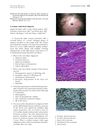
 The authors suggest a method for hair transplantation in fibrosing alopecia pattern distribution to improve treatment outcomes and cover bald areas.
 2 citations
,
August 2010 in “Journal of the American Academy of Dermatology”
2 citations
,
August 2010 in “Journal of the American Academy of Dermatology” A 65-year-old woman has a growing bald spot on her scalp.
 3 citations
,
July 2018 in “Journal of Oral and Maxillofacial Surgery”
3 citations
,
July 2018 in “Journal of Oral and Maxillofacial Surgery” Hair loss can occur after oral surgery, likely due to stress and pressure on the scalp, and usually gets better on its own.
66 citations
,
December 1999 in “Journal of Investigative Dermatology” New mutations in the hairless gene may cause hair loss and affect bone development.
 47 citations
,
May 1995 in “Journal of Investigative Dermatology”
47 citations
,
May 1995 in “Journal of Investigative Dermatology” Hair follicles in people with alopecia have lower levels of a key blood vessel growth protein.
 6 citations
,
July 2011 in “Journal of Plastic Reconstructive and Aesthetic Surgery”
6 citations
,
July 2011 in “Journal of Plastic Reconstructive and Aesthetic Surgery” Eyebrow reconstruction using hair follicle grafts was successful in a man with a benign hereditary disorder affecting his eyebrows.
 13 citations
,
June 2019 in “Case reports in dermatology”
13 citations
,
June 2019 in “Case reports in dermatology” Fat injections in the face can cause hair loss.
 8 citations
,
March 2009 in “Aesthetic Plastic Surgery”
8 citations
,
March 2009 in “Aesthetic Plastic Surgery” The "flying-wings" scalp flap technique is a simple, safe, and effective way to reconstruct large areas of scalp loss in children.
 June 2022 in “Indian journal of clinical and experimental opthalmology”
 The report shows a young man with Hutchinson-Gilford Progeria Syndrome had typical and additional eye problems related to the disease.
 July 2018 in “Nasza Dermatologia Online”
 Frontal fibrosing alopecia and ulerythema ophryogenes may be related and can evolve from one to the other.
3 citations
,
January 2020 in “International journal of trichology” Congenital triangular alopecia is a hair loss condition present from birth or early childhood with no effective treatment needed.
 December 2023 in “Journal of Cutaneous Immunology and Allergy”
 A man developed myasthenia gravis after alopecia areata, and treatment improved his symptoms and stopped hair loss.
 1 citations
,
February 2013 in “Clinical pediatrics”
1 citations
,
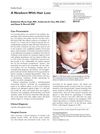
February 2013 in “Clinical pediatrics” The baby’s hair loss was due to a rare genetic condition, not treatable by usual methods.